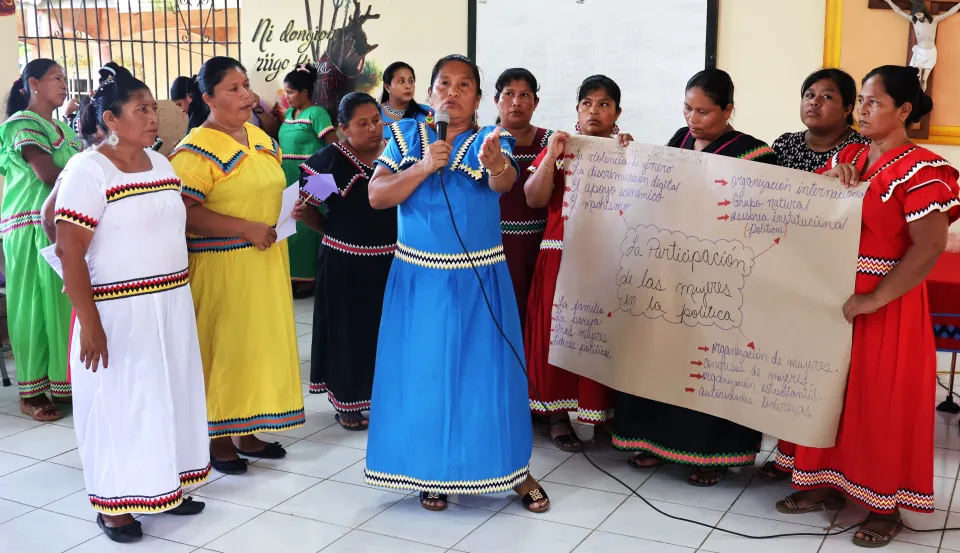
Media Seminar on gender social norms transformation
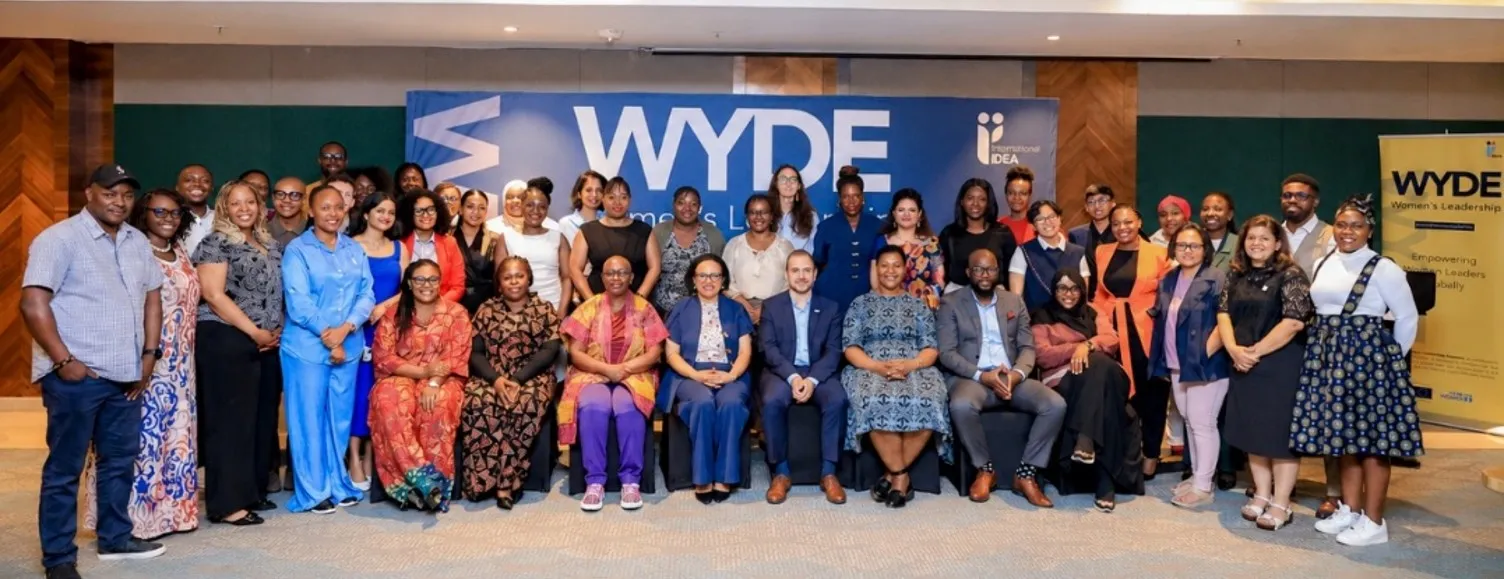
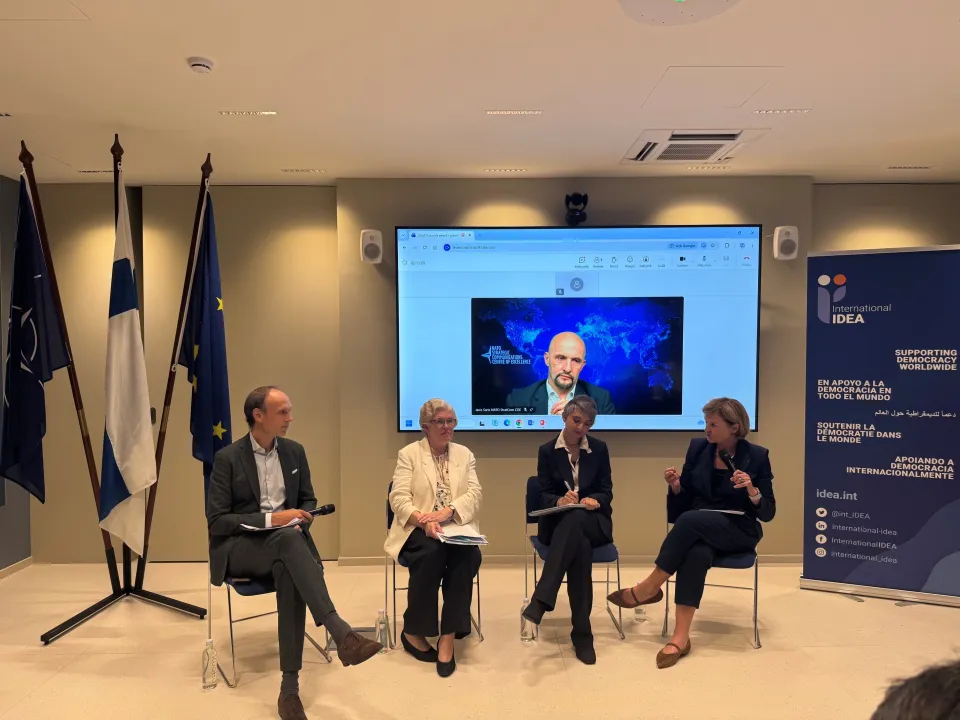
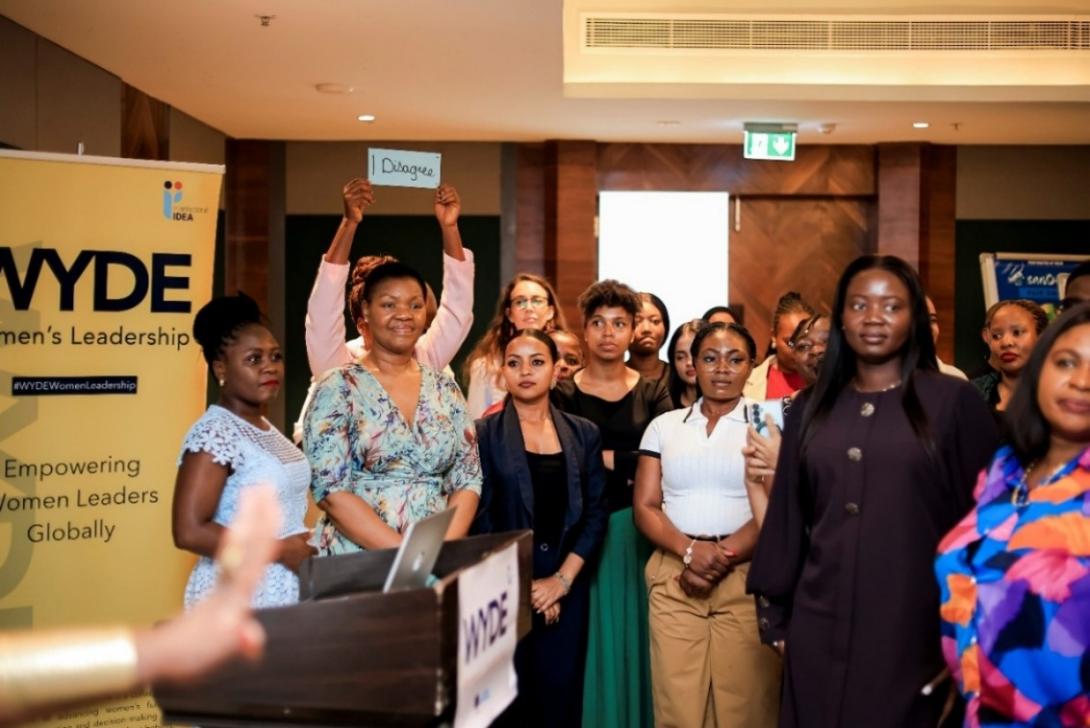
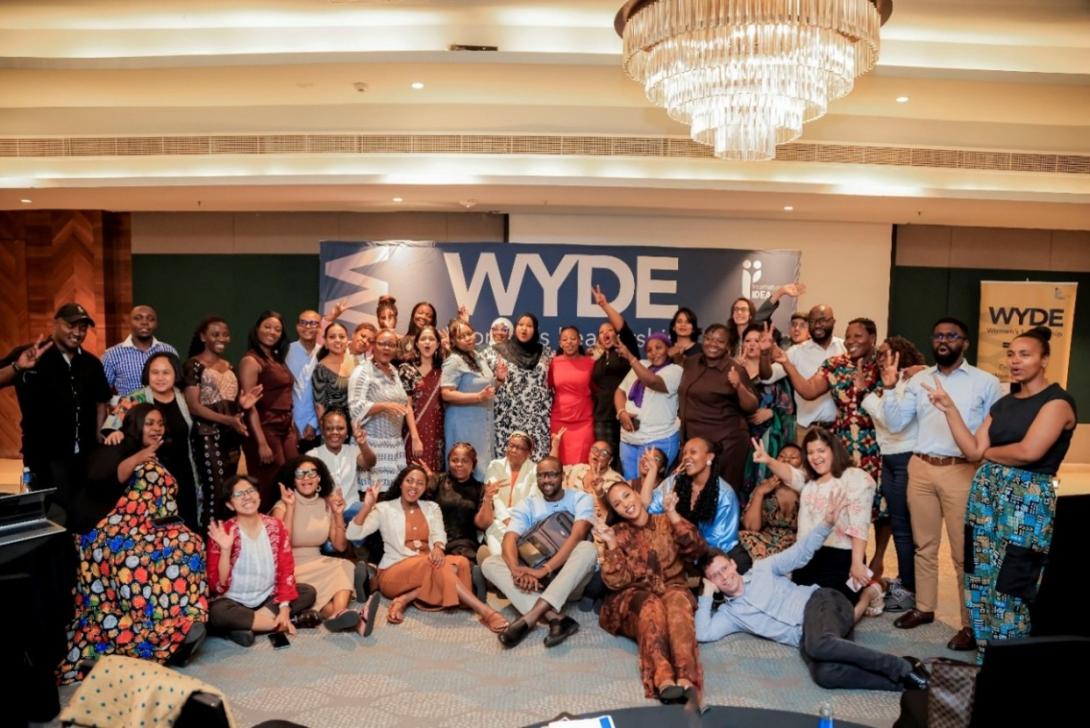
39 media professionals/journalists, 32 women and 7 men in positions such as chief editors, publishers, executive directors of media organisations, media associations leaders, political reporters, gender editors, senior reporters, news anchors, broadcasters, and communications specialists, representing both national and regional media outlets, across 23 countries (Botswana, Ethiopia, Gambia, Ghana, India, Indonesia, Kenya, Lesotho, Liberia, Malawi, Mozambique, Namibia, Nepal, Nigeria, Philippines, Rwanda, Sierra Leone, Somalia, South Africa, South Sudan, Tanzania, Zambia and Zimbabwe) in Africa and Asia participated at the Seminar convened in Kigali, Rwanda. The Media Seminar was conceptualised in recognition of the critical role of the media in challenging stereotypes and discriminatory social norms, influencing/shaping public opinion and advocating for gender equality and advancing women/youth participation and representation in politics, leadership and decision making at all levels.
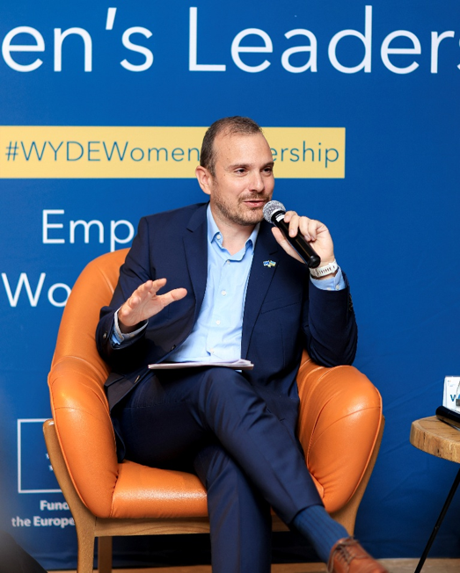
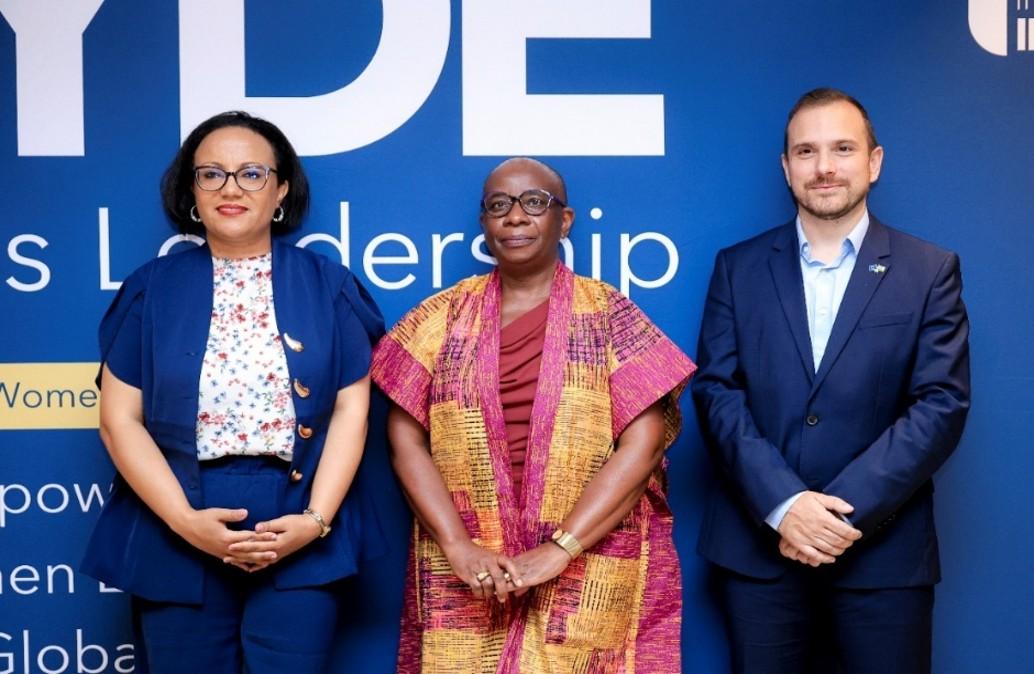
Vincent Laporte, Head of Cooperation a.i. European Union Delegation to Rwanda reaffirmed the European Union’s commitment to democracy, human rights, gender equality and inclusion. He highlighted the significance of the seminar as a platform not only for dialogue but also for collaboration among media professionals across Africa and Asia, emphasising the co-creation of a practical Media Guide as a key outcome of the seminar. He noted that the diversity of participants reflected a shared commitment to advancing inclusive political processes and linked the seminar’s objectives to the European Commission’s Roadmap for Women’s Rights, adopted in 2025, which seeks to address structural barriers and harmful social norms. He further stressed that political will, accountability and collaboration are essential for achieving lasting change and reaffirmed the EU’s commitment, through the WYDE Women’s Leadership Initiative, to strengthening the meaningful leadership, participation and representation of women and youth.
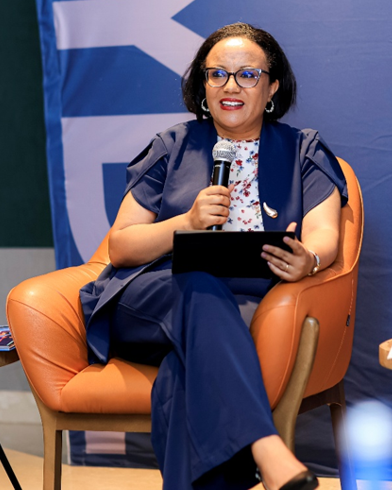
Tikikel Tadele Alemu, Officer in Charge UN Women Rwanda highlighted that transforming discriminatory gender social norms remains a shared priority among all WYDE Women’s Leadership partners. She emphasised that inclusive democracies require the active participation of all members of society and confirmed the unique role of the media in shaping public attitudes towards leadership, participation and power. Referring to findings from the Global Media Monitoring Project, she noted that women account for only 26% of news subjects and sources globally, while only 2% of media stories actively challenge gender stereotypes. She stressed that media engagement must be intentional, as every editorial decision, interview and headline can either reinforce harmful stereotypes or contribute to more equitable and representative societies. She called on journalists to use their influence to amplify women’s voices, challenge harmful narratives and strengthen democratic participation, reiterating that gender equality is everyone’s business.
According to the WYDE | Women’s Leadership: Strategy on Social Norms Change, social norms impose universal barriers to women’s leadership and decision-making at all levels, from households and communities to local, regional, and national governments, as well as parliaments. The seminar featured an Access–Participation–Representation–Transformation (APRT) approach to examine how media narratives influence women’s and young people’s political participation and leadership opportunities at national, regional and global levels. Participants explored how media coverage can either reinforce or transform discriminatory social norms and narratives by shaping perceptions of leadership, power and decision making.
A key output of the seminar was the cocreation and validation of a Media Guide for Gender Transformative reporting. Drawing on experiences and perspectives from participants across Africa and Asia, the Guide is being developed as an adaptable resource to support journalists/ media professionals in challenging discriminatory narratives, promoting inclusive and representative reporting, amplifying diverse voices and addressing issues such as violence against women in politics, including technology facilitated gender based violence.
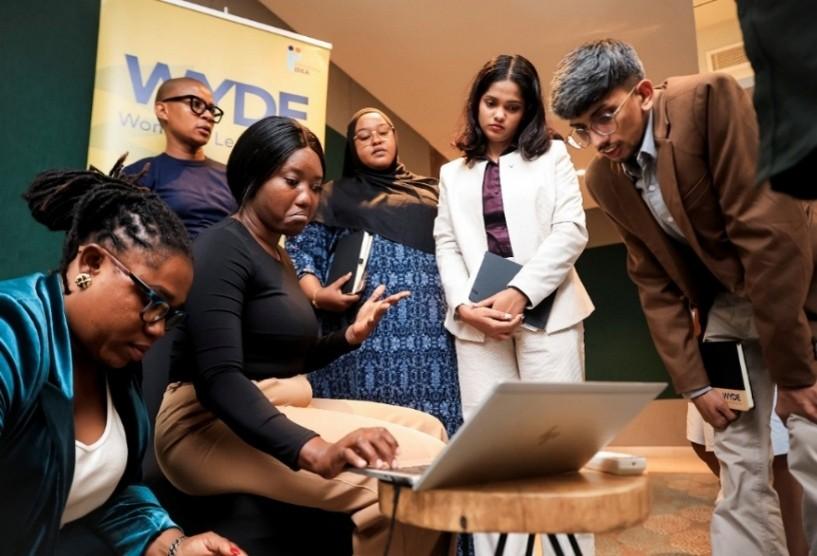
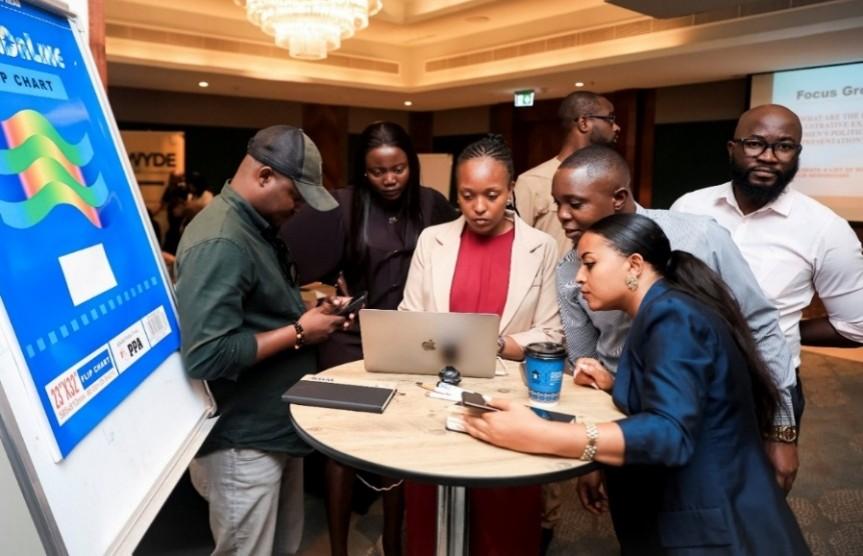
Discussions further recognised that transforming gender social norms requires coordinated action across the broader media ecosystem, leading participants to identify key stakeholder groups such as religious, spiritual and traditional leaders, content producers and norm influencers whose complementary roles are critical to driving and sustaining meaningful change.
Participants identified several practical measures to strengthen the Media Guide and support its application in everyday journalistic practice. Key recommendations included the development of a searchable database of women to facilitate balanced news sources; practical newsroom tools such as gender-sensitive reporting checklists, case studies and interview guidance; and resources to address emerging digital challenges, including AI-generated disinformation, deepfakes, online harassment and technology-facilitated gender-based violence.
Participants also highlighted the importance of monitoring and accountability mechanisms, such as media gender assessments and source-tracking tools, and emphasized that gender transformative reporting should assess how men and masculinities are portrayed, highlight men's positive role in challenging harmful gender social norms while keeping women's voices and leadership at the centre. Building on these recommendations, participants agreed to pilot and disseminate the Media Guide within their respective countries and media organisations when it is published. The Right Her Story Stories of Change will feature and document reporting on gender equality and the empowerment of women and youth participation and representation in politics, leadership and decision-making.


About the authors