Legal Aid Council of Nigeria validates new tools for identifying SGBV in legal aid service delivery
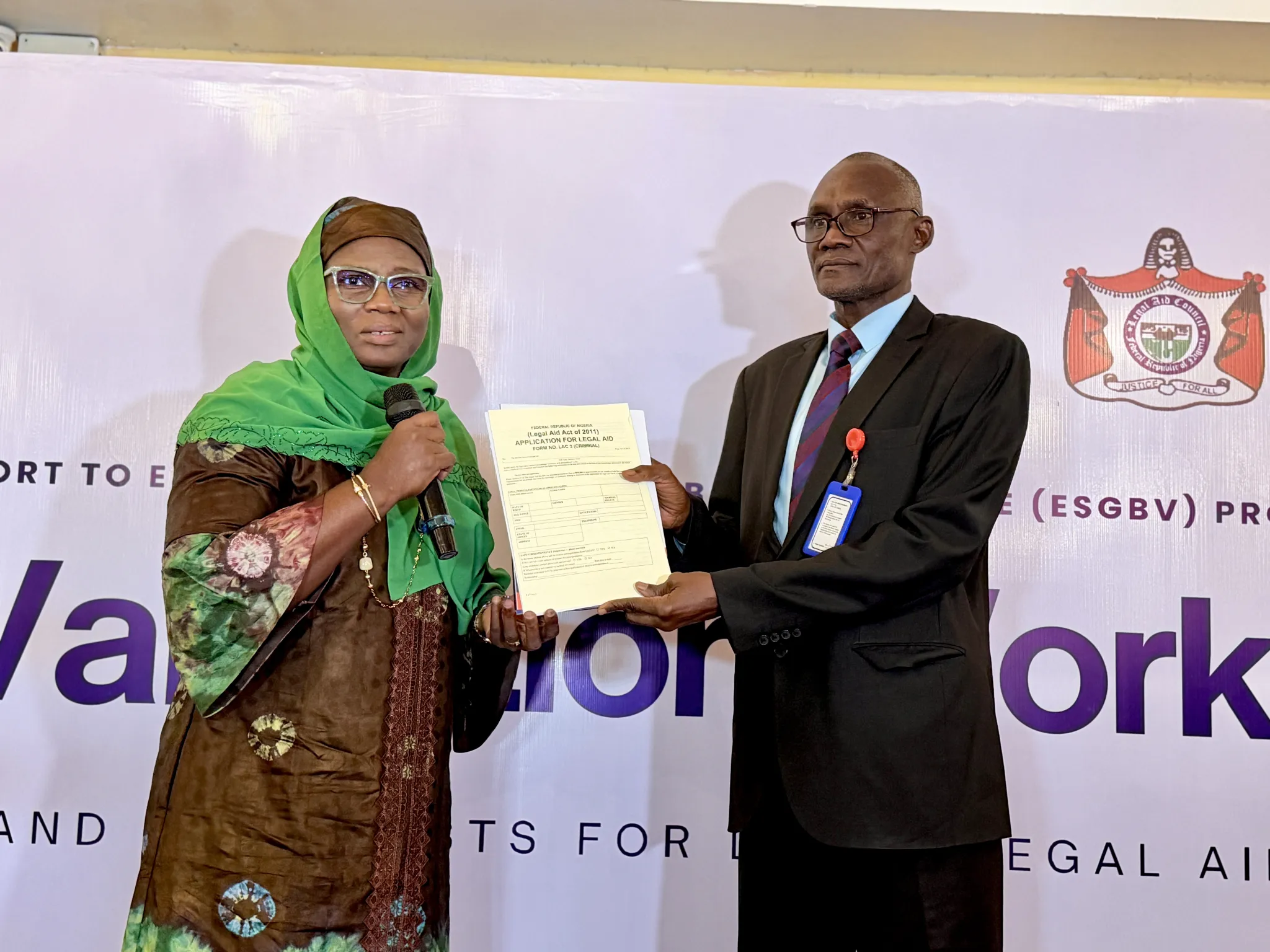
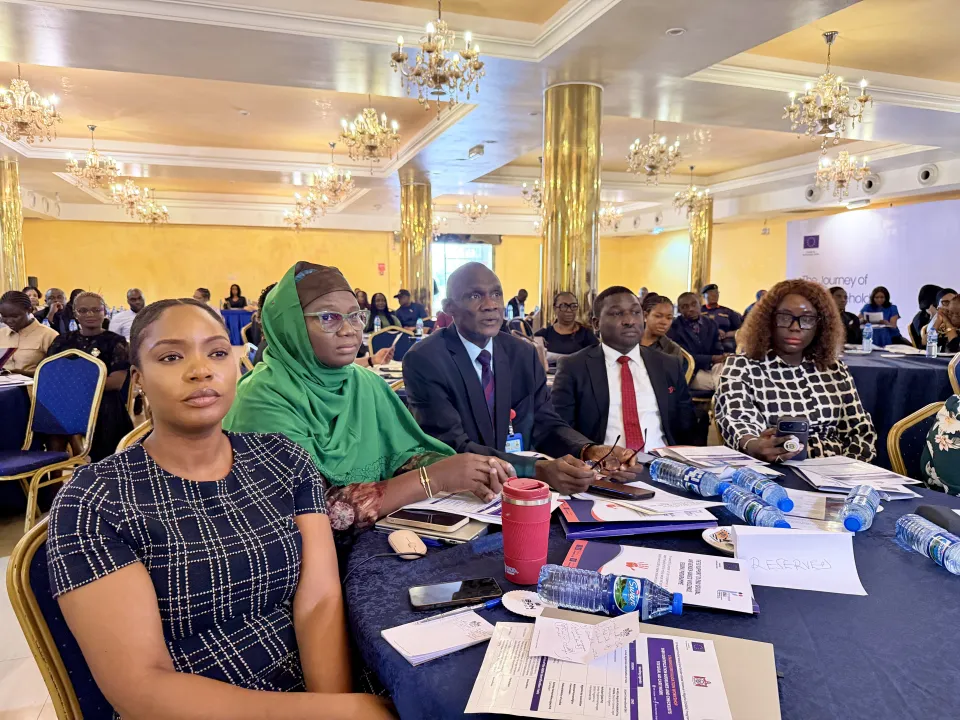
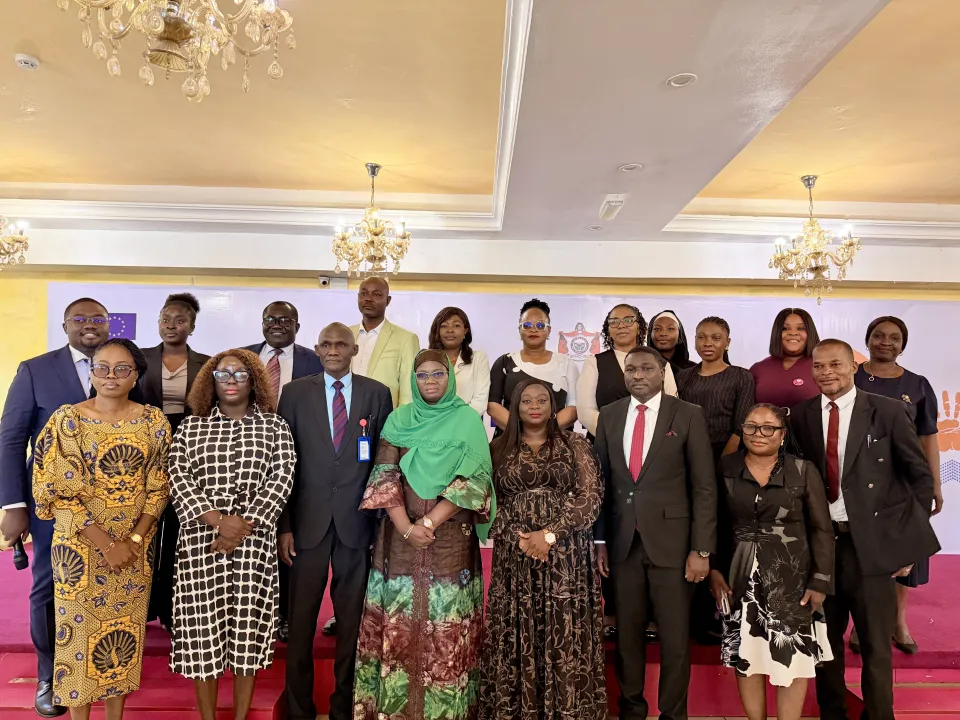
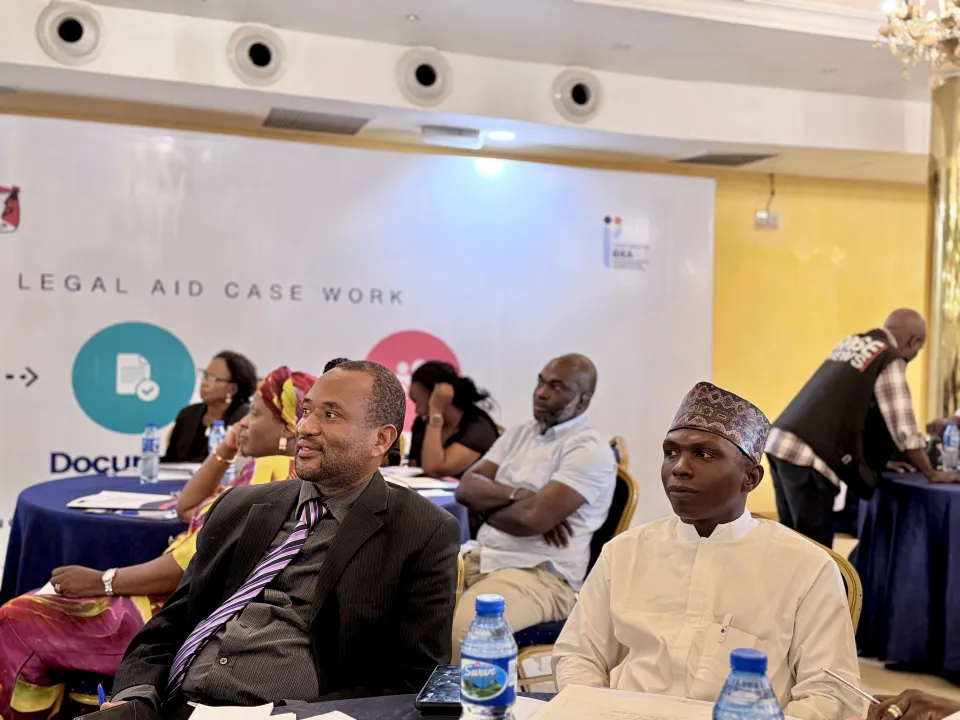
The ability to recognise sexual and gender-based violence (SGBV) within routine legal aid cases is critical to ensuring survivors are not denied access to appropriate remedies because abuse remains unidentified. On 14 October 2026, the Legal Aid Council of Nigeria (LACoN), in partnership with International IDEA under the European Union Support to End Sexual and Gender-Based Violence (ESGBV) Programme, convened a Stakeholder Validation Workshop on SGBV Identification Guidelines and Checklists for Legal Aid Case Work. The workshop subjected revised civil and criminal client intake forms, and newly developed identification guidelines, checklists, and referral tools, to stakeholder scrutiny to make SGBV identification a more systematic part of legal aid service delivery. The tools help legal aid providers recognise indicators of abuse, engage survivors safely, document concerns appropriately, and connect them to specialised services and available legal remedies.
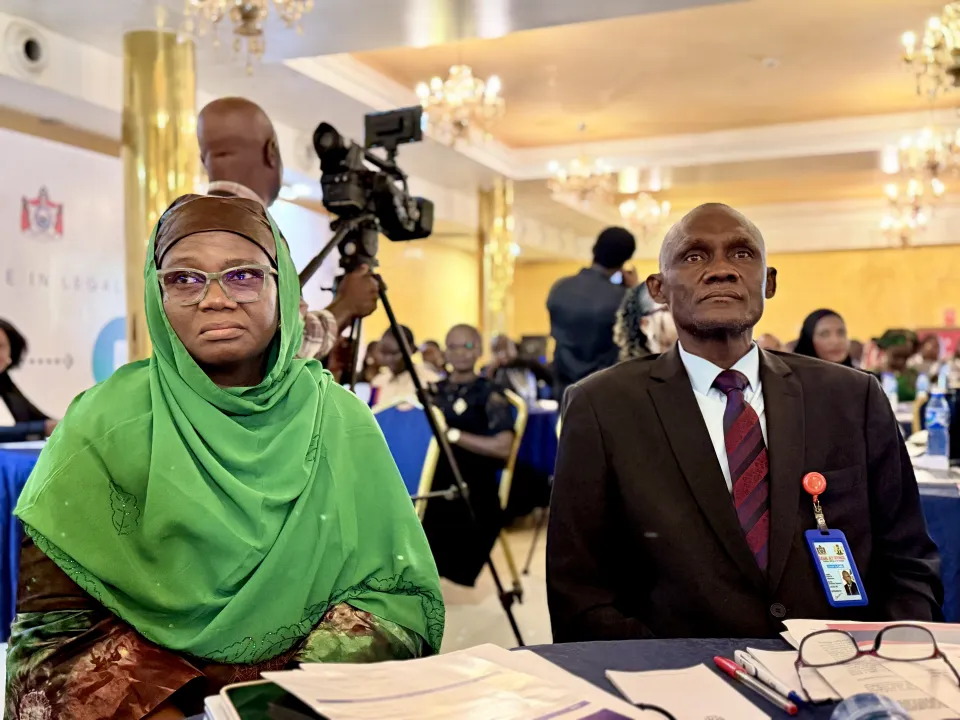
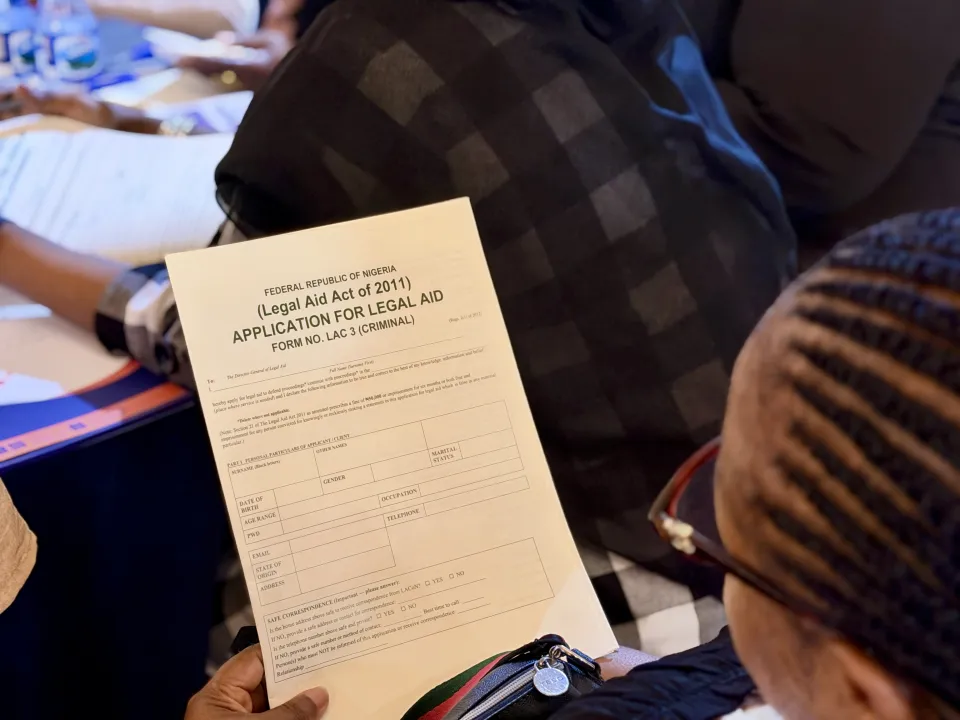
The validation marked the culmination of three Technical Working Group meetings, through which existing intake procedures were reviewed and the tools developed, refined and consolidated. At the workshop, participants assessed the revised LAC 2 criminal and LAC 3 civil intake forms, the five-stage client intake and interview framework, SGBV indicators, response guidance and referral pathways for accuracy, cultural appropriateness and practical application. LACoN Director-General Aliyu Bagudu Abubakar emphasised the need for intake and interview processes that can detect signs of abuse even when clients initially seek help for seemingly unrelated legal matters, noting that the validated tools would shape the quality of justice, protection and healing available to survivors.
Dr Mufuliat Fijabi, Senior Programme Manager of the ESGBV Programme, noted that the tools would help address gaps in SGBV response and access to justice in Nigeria. She highlighted their value for survivors who turn to LACoN for legal assistance, enabling their cases to progress towards appropriate justice and support. The tools are intended for adoption by LACoN and legal aid providers nationally. Their use will give legal aid practitioners a clearer basis for identifying possible SGBV, responding appropriately to disclosures and directing survivors towards relevant legal remedies and specialised support.




About the authors