International IDEA participates in the 7th Plenary Assembly of the Global Electoral Justice Network
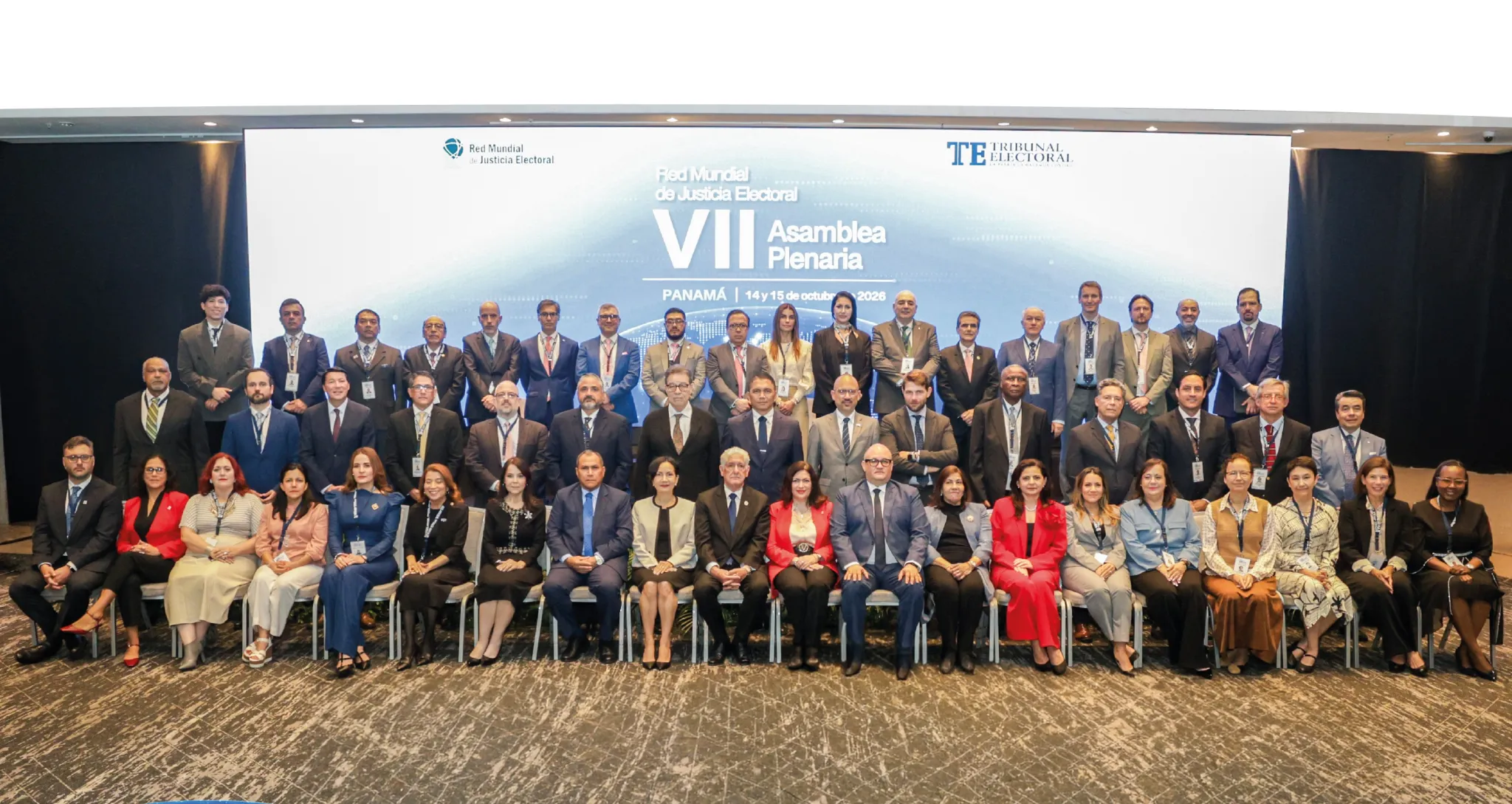
Panama became the center of the global debate on the future of democracies by hosting the 7th Plenary Assembly of the Global Network for Electoral Justice (RMJE). The meeting brought together more than 50 delegations from Latin America, Europe, Africa, and Asia to develop strategies to address growing challenges that threaten the integrity of electoral processes.
At this high-level forum, International IDEA played a prominent role by providing technical insight and strategic analysis through various presentations.
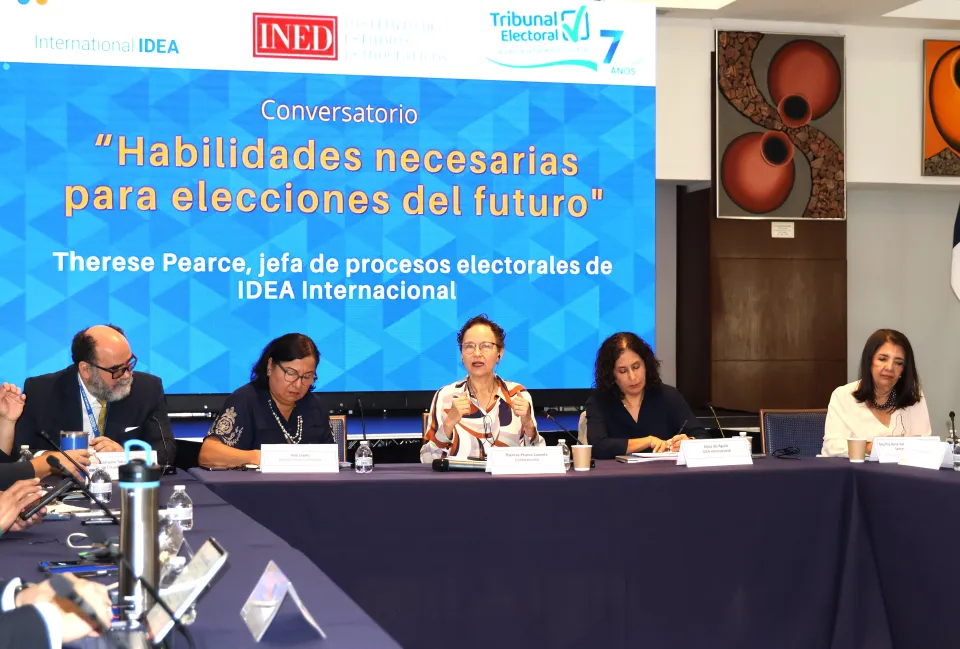
Therese Pearce, Head of Electoral Processes from International IDEA, addressed the challenges of ensuring access to and understanding of electoral justice, noting the urgency of ensuring that citizens understand and can access electoral justice mechanisms transparently.
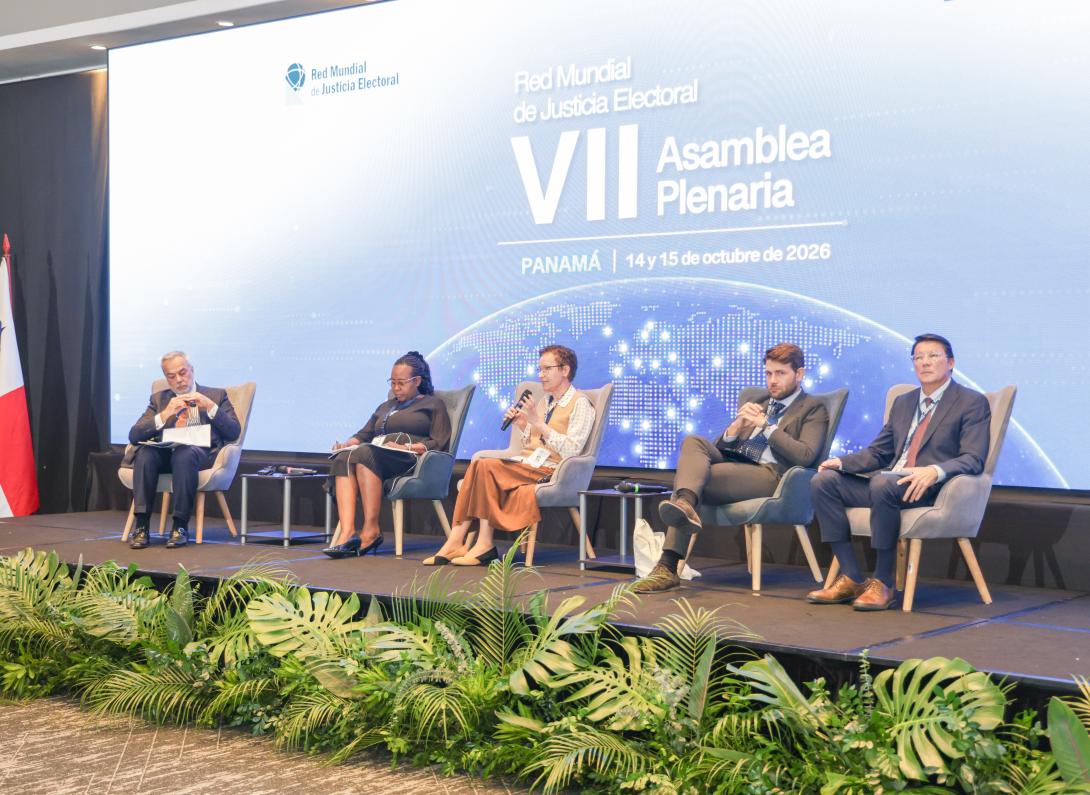
She emphasized the importance of conducting timely risk analyses and addressing alerts from political actors from the earliest stages of the electoral calendar.
Listening to early warnings allows us to correct flaws in the system before Election Day. Today, narratives of fraud or injustice spread on social media long before the institution can provide a technical explanation; therefore, trust is built through certainty, timely communication, and active prevention, she said.
During the panel discussion on the impact of artificial intelligence and digital technologies on political gender-based violence, Alicia del Aguila, Program manager for Panama, warned of the alarming escalation of online attacks targeting female candidates, female leaders, and journalists.
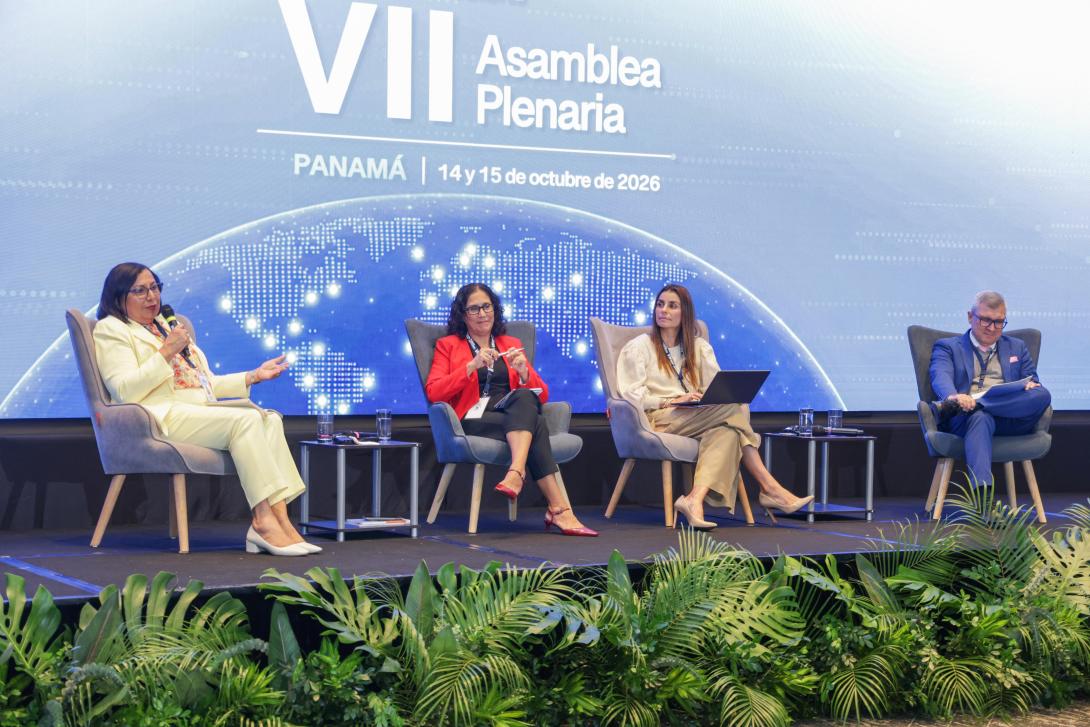
Digital political violence is not an isolated incident, but rather a pyramid that begins with trolling and systematic harassment, yet quickly spills over into the physical realm, threatening women’s lives, del Aguila pointed out.
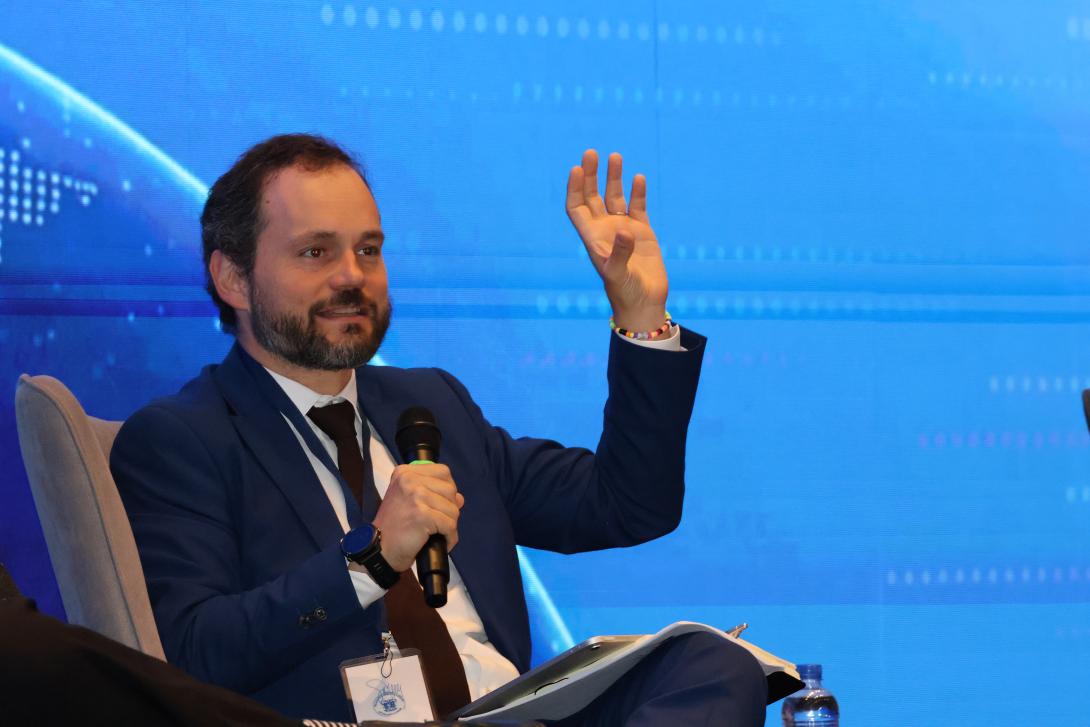
During the panel on digital electoral justice, Alberto Fernandez, Head of the Global Digitalization and Democracy Program at International IDEA, analyzed new forms of mass disinformation involving synthetic content and inorganic campaigns driven by AI agents.
Fernández urged electoral authorities to adapt their oversight frameworks: “We must stop focusing solely on individual content and start scrutinizing the digital infrastructure and the funds that finance inorganic distribution. We need a united front when dealing with the platforms; acting alone is very difficult, but together we can shift the balance of power,” Fernández stated, proposing the creation of a unified platform of electoral bodies to negotiate as a bloc with the major tech multinationals.
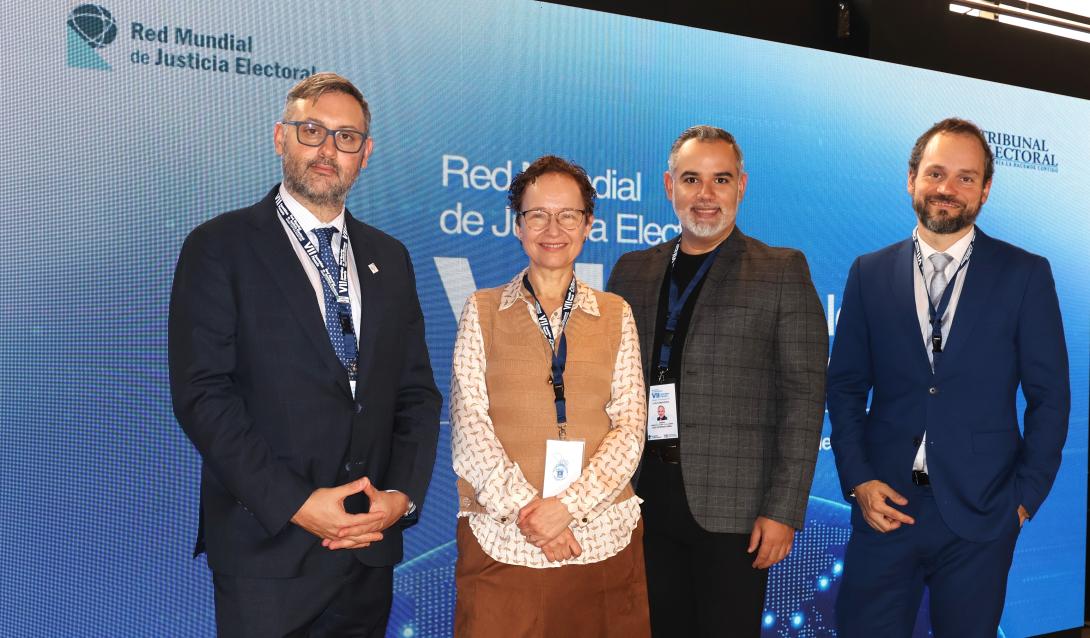
The International IDEA delegation was rounded out by Nicolas Liendo, program officer at the Regional Office for Latin America and the Caribbean; Luis Consuegra, Officer for Resource Mobilization and Strategic Alliances; and Raisa Caballero, Project associate for the Electoral Tribunal.
Judge Arellano, president of the RMJE, highlighted the success of the plenary session and emphasized the urgency of responding in a coordinated manner to the threats facing contemporary democratic systems.
To conclude the two-day meeting, the international delegates signed the “Panama Declaration,” an agreement that formalizes a global partnership to exchange best practices, promote inclusive electoral justice, rigorously assess the impacts of AI on democracy, and safeguard electoral guarantees in the digital age.


About the authors