Identifying options for electoral reform in Ireland
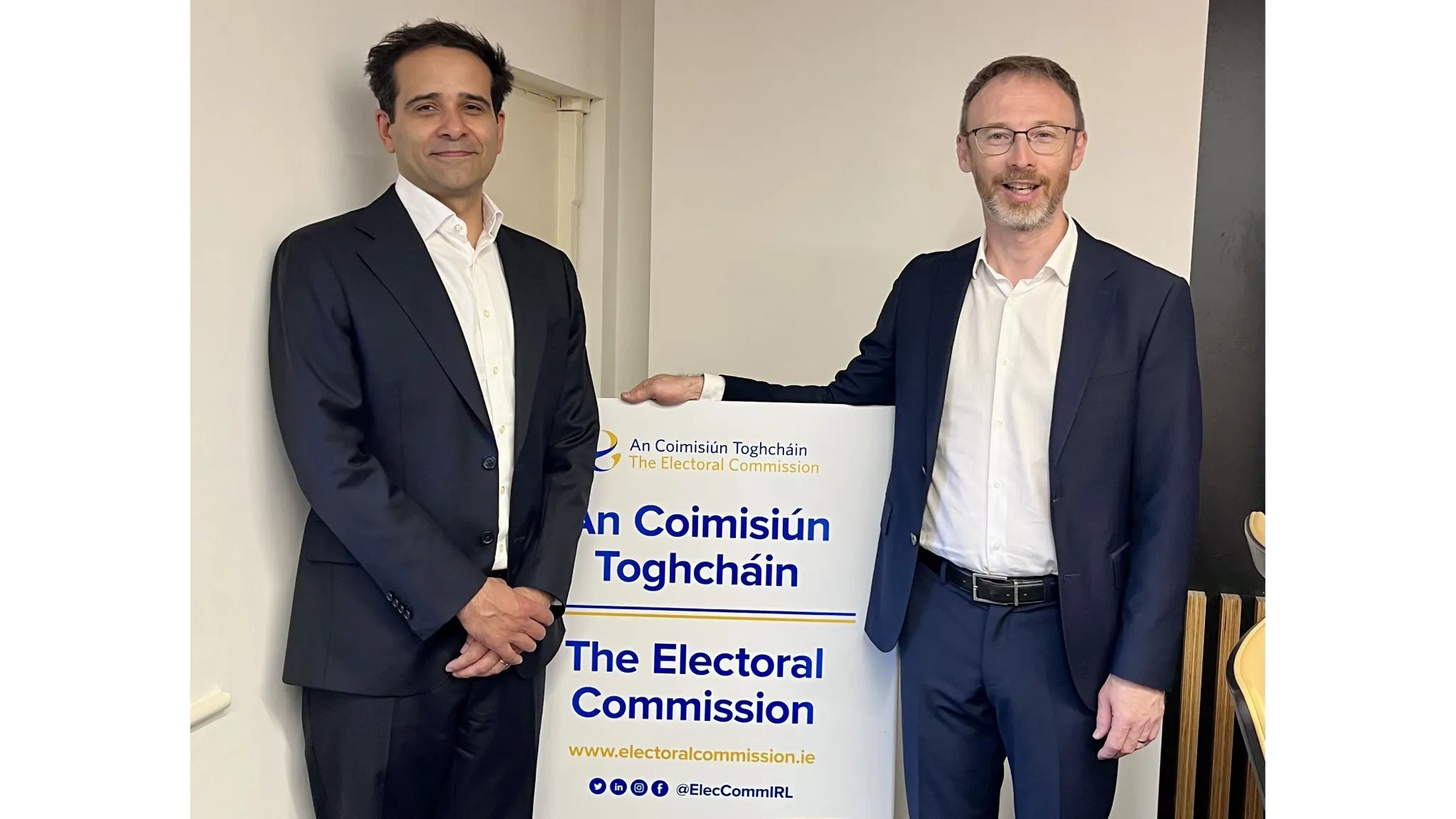
An Coimisiún Toghcháin, Ireland's Electoral Commission, is exploring electoral reforms that would expand alternative voting arrangements for Irish citizens and eligible residents. International IDEA has been engaged by An Coimisiún Toghcháin to assess the inclusion, legal, and operational implications of extending postal voting to all eligible voters and introducing advance in-person voting.
International IDEA will deliver a comprehensive final report in late 2026, providing An Coimisiún Toghcháin with an independent evidence base for reform options from which to formulate recommendations to the Minister for Housing, Local Government and Heritage on the design and implementation of any prospective electoral reform.
An Coimisiún Toghcháin is mandated by the Electoral Reform Act 2022, which established the Commission as an independent statutory body, to conduct and commission evidence-based research on electoral policy and to make recommendations to the government. The research project implemented by International IDEA falls under the Electoral Commission’s Research Programme 2024-2026, responding to sustained public and political interest in expanding voting accessibility and addressing barriers that prevent participation among specific groups, including people with disabilities, students, carers, and those whose work or personal circumstances prevent attendance at a polling station on election day.
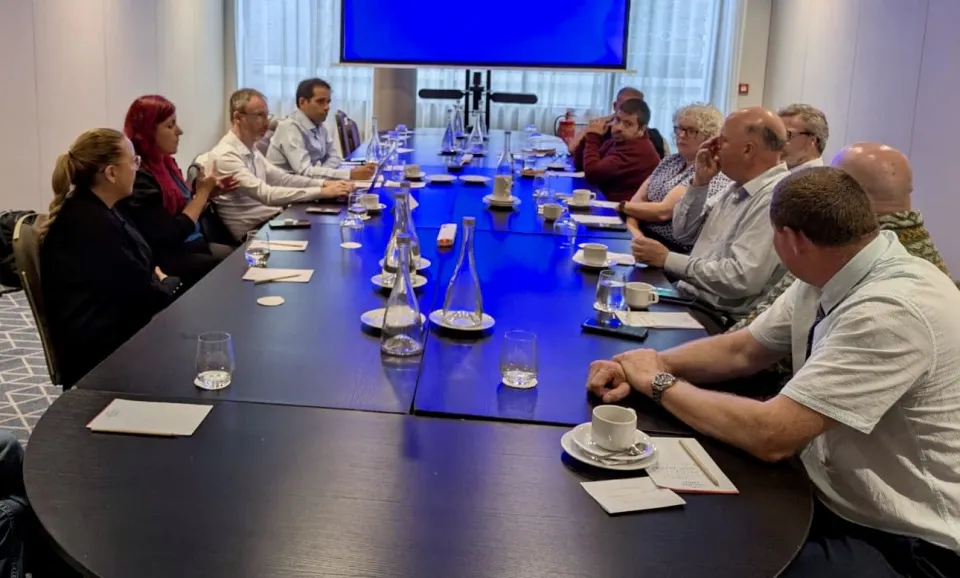
Between 15-19 June 2026, an International IDEA expert team conducted an in-country stakeholder consultation mission in Dublin and Portlaoise. The team engaged with the Commission’s senior leadership and its Research Advisory Committee; the Department of Housing, Local Government and Heritage, which holds ministerial responsibility for electoral law; county returning officers and local registration authorities from across Ireland; Seanad election administrators; political parties and elected members from across the Dáil and Seanad; a wide range of civil society organisations representing Traveller communities, adult literacy networks, people experiencing homelessness, student bodies, and older people; disabled persons’ organisations; and An Post, Ireland’s national postal operator. The breadth of the consultation reflects both the operational complexity of potential electoral reforms and a commitment to inclusive, evidence-based research.
As part of the research project, the mission combines primary evidence gathered during the consultations with comparative international analysis and a rigorous assessment of how voting reform would apply in Ireland’s electoral context, including its PR-STV system, decentralised election administration, active voter registration model, and ongoing process to adopt a unified national electoral register.
Ireland is a valued partner of International IDEA and a longstanding supporter of democracy assistance and electoral integrity globally. This engagement reflects that collaboration, bringing International IDEA’s comparative expertise to bear on a question of direct democratic significance for Irish citizens.


About the authors