Honduras: Strengthening democratic resilience through civil society and the media
The 2025 general elections were marked by extreme polarisation, disinformation campaigns, selective obstruction of the press, institutional tensions, and unfounded allegations of fraud by the main political parties, as well as foreign interference in the electoral process. This context highlighted significant challenges to electoral integrity in the country.
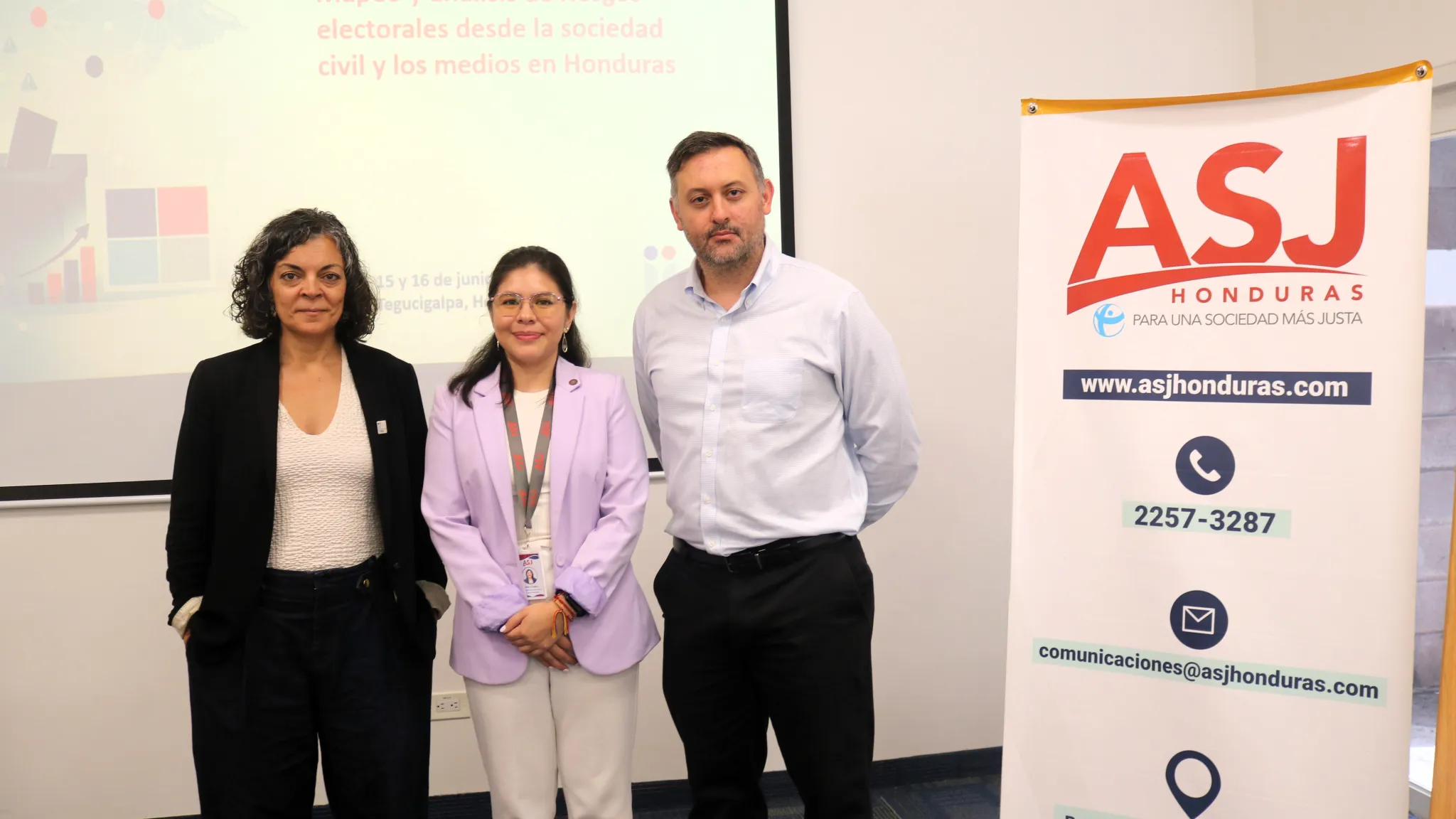
In response to this situation, International IDEA, and the Asociacion por una Sociedad mas Justa (ASJ) organised a workshop in Tegucigalpa on 15 and 16 June entitled ‘Mapping and analysing electoral risks from the perspective of civil society and the media in Honduras’. Over two days of work, representatives of civil society organisations and journalists from various media outlets across the country came together.
The main objective of the event was to strengthen the capacity of civil society and the Honduran media to identify and analyse the risks affecting the integrity of electoral processes. It also sought to generate technical inputs to facilitate consensus on reform proposals aimed at preventing these risks.
During the working sessions, participants identified and analysed the main challenges facing the Honduran electoral system. Based on this exercise, they drew up a series of recommendations aimed at strengthening the integrity of the electoral process and enriching the national debate on electoral reform.
The workshop, led by Blanca Blanco, project manager, and Nicolás Liendo, programme officer, and based on the methodology developed globally by International IDEA on electoral risks, addressed various key issues, including: the independence and professionalisation of electoral bodies; the regulatory framework for electoral processes; electoral conflict; the training and capacity building of electoral officials and political actors; the financing of party campaigns and candidacies; disinformation and digital campaigns; gender-based political violence; gender parity; and corruption, amongst others.
During the event, a study was also premiered which International IDEA has developed in collaboration with the academic Cecilia Rodríguez Balmaceda on the prevention of electoral risks in Honduras, a case study due to be published shortly.
This work is being carried out as part of the project “Improving the Resilience of Democracy in Central America,” an initiative that seeks to strengthen the capacities and initiatives of civil society —particularly young people and women—and the media in defence of democracy in El Salvador, Guatemala and Honduras. The project enjoys the generous support of the Government of the Grand Duchy of Luxembourg.
The resilience demonstrated during the 2025 elections in Honduras is a key asset for the country’s democratic future. However, against a backdrop of deep polarisation and social fragmentation, consolidating this resilience requires not only the adoption of concrete reforms ahead of the next electoral cycle, but also the strengthening of the social fabric and the creation of spaces for dialogue and collaboration between different sectors. In this regard, initiatives such as this workshop are essential for promoting joint proposals from the diverse range of civil society actors, thereby helping to rebuild basic consensus around electoral integrity and democracy.


About the authors