Good practices for the accessibility of persons with disabilities in electoral processes
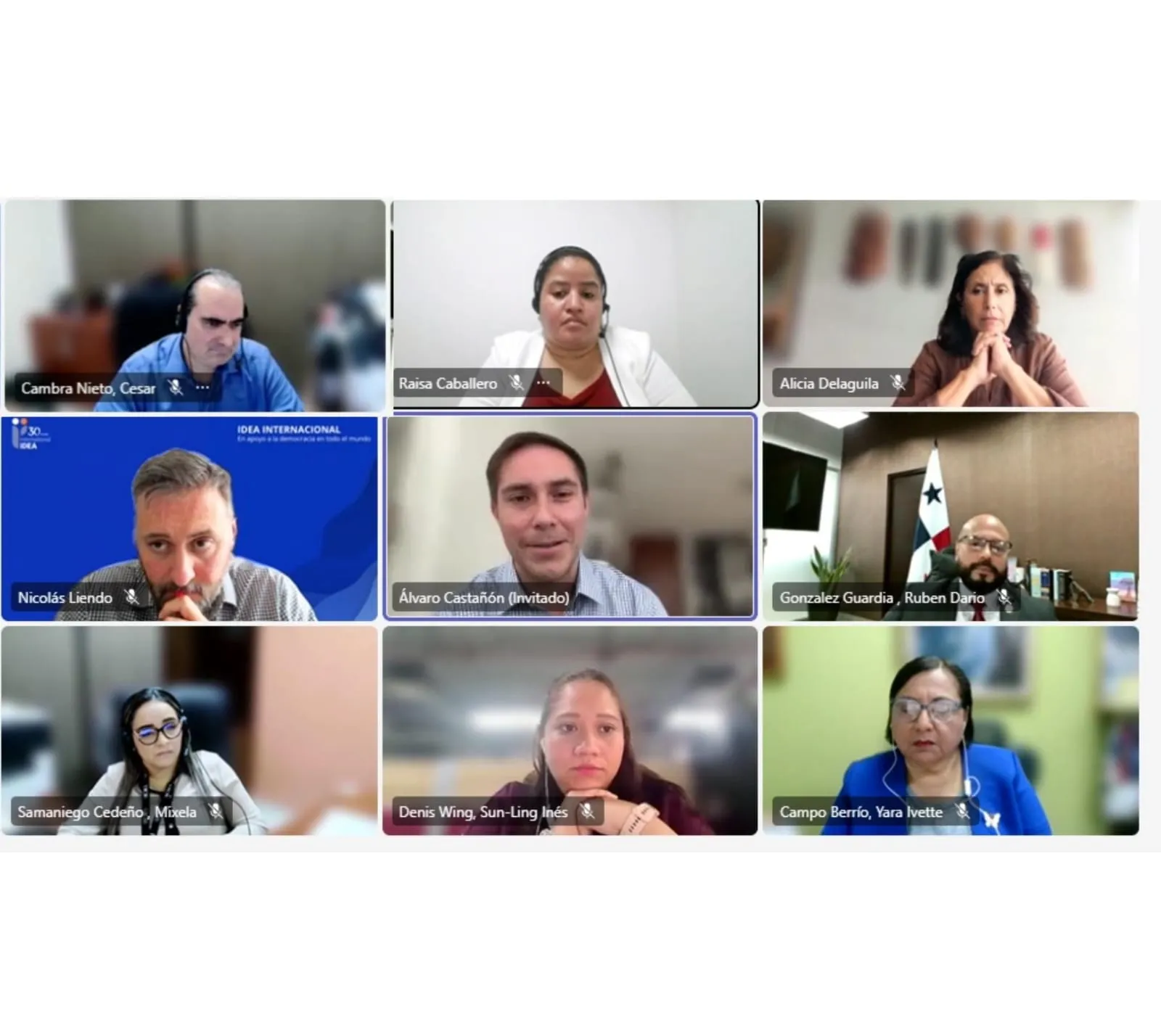
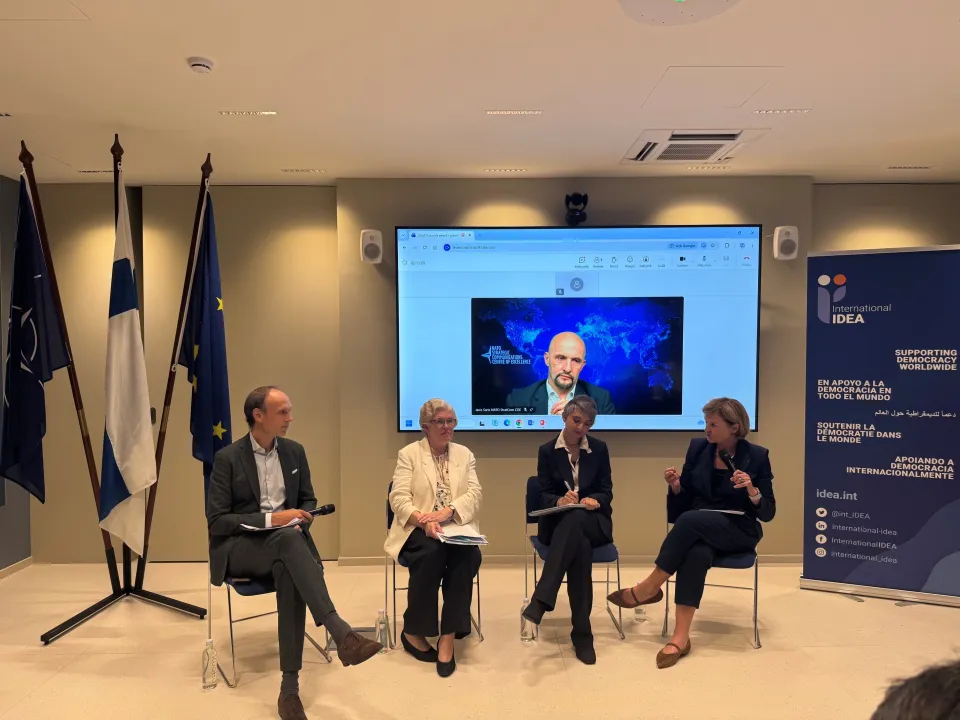
International IDEA and the Electoral Tribunal of Panama organized a virtual meeting to discuss the report Inclusion of Persons with Disabilities in Electoral Processes: Comparative Regulations and Good Practices in Latin America and the Caribbean.
The session brought together officials from the Electoral Tribunal, including Institutional Executive Director Yara Campo; Director of Electoral Organization Ruben Gonzalez; Deputy Director General of Electoral Organization Juan Aversa; General Election Plan (PLAGEL 2025–2029) Coordinator Erika Ortiz; and Head of the Office of Equal Opportunities Cesar Cambra, among others.
The report provides a comparative review of regulations and good practices that promote accessibility for persons with disabilities in electoral processes across Latin America and the Caribbean. The study was presented by its author, Alvaro Castañon, at the initiative of International IDEA’s regional team.
Castañon emphasized that electoral accessibility goes beyond removing barriers on election day. Rather, it requires redesigning electoral systems so that inclusion becomes a cross-cutting principle throughout the entire electoral cycle.
Among the examples highlighted in the report are Mexico and Ecuador, which have implemented home-based voting mechanisms for persons with severe disabilities, and Costa Rica, which has established regulations for the early planning of accessibility measures in voting centres. Uruguay stands out for promoting the participation of persons with disabilities not only as voters but also as polling station officials, while Chile has developed protocols that help standardize respectful and inclusive voter assistance.
One of the report’s main conclusions is that meaningful accessibility cannot be achieved through last-minute measures, such as installing a ramp on election day. Instead, accessibility must be integrated throughout the entire electoral cycle.
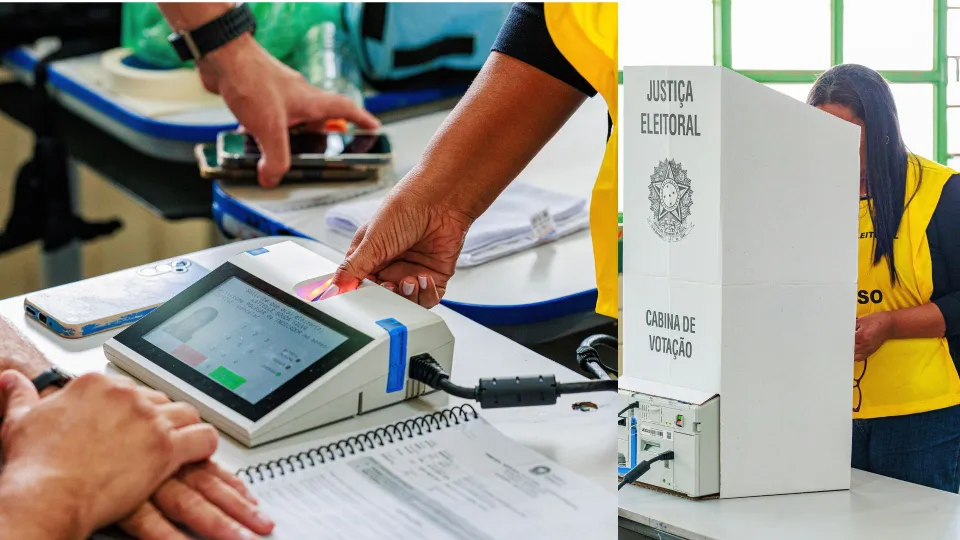
This begins with civic and voter education through the development of materials in accessible formats. It continues with voter registration processes that facilitate participation through tailored services and accessible registration tools. Accessibility must also be incorporated into electoral campaigns by encouraging political parties to adopt inclusive communication strategies and providing incentives for accessible outreach. The process culminates on election day and during the vote-counting phase, ensuring the availability of tools such as Braille templates, audio assistance systems, and digitally accessible results platforms.
Representing International IDEA, the meeting was attended by Nicolas Liendo, Programme Officer for Latin America and the Caribbean; Alicia del Aguila, Panama Programme Manager; and Raisa Caballero, Project Associate.
The International IDEA Panama Programme reaffirmed its commitment to supporting the Electoral Tribunal through technical assistance and advisory services aimed at implementing and strengthening initiatives that promote the inclusion of persons with disabilities throughout all stages of the electoral cycle.


About the authors