Disabled by social norms not impairments: The frontiers and barriers for women with disabilities in politics
Equal participation of women with disabilities in politics is often ‘othered’ to adhere to normative frameworks or policies. Their inclusion in political participation is mostly superficial with little or no genuine meaningful approaches to create platforms for their voice, choice and control. Systemic marginalisation and structural barriers to meaningfully include women with disabilities in political participation and representation are driven by social norms. These then translate to the low representation of women with disabilities in political decision-making positions.
The milestone adoption of the Convention on the Rights of Persons with Disabilities in 2006 and its domestication thereof in many countries is commendable. Yet, burgeoning experiences from women in politics with disabilities has revealed a multitude of obstacles for them to be in elected office. The glaring barrier for women in politics with disability is the intersection with violence. This is often pronounced during election campaigns where in some instances the campaign terrain infrastructure is set up to deliberately frustrate women in politics with disabilities. Their limitation to access some facilities, including polling stations as well as materials is turned into a tool for abuse by some of the male politicians. The media reporting on women in politics with disabilities is sometimes a form of secondary victimisation to the women politicians with disabilities. Training of media practitioners on inclusive reporting for political participation and representation is a remedy.
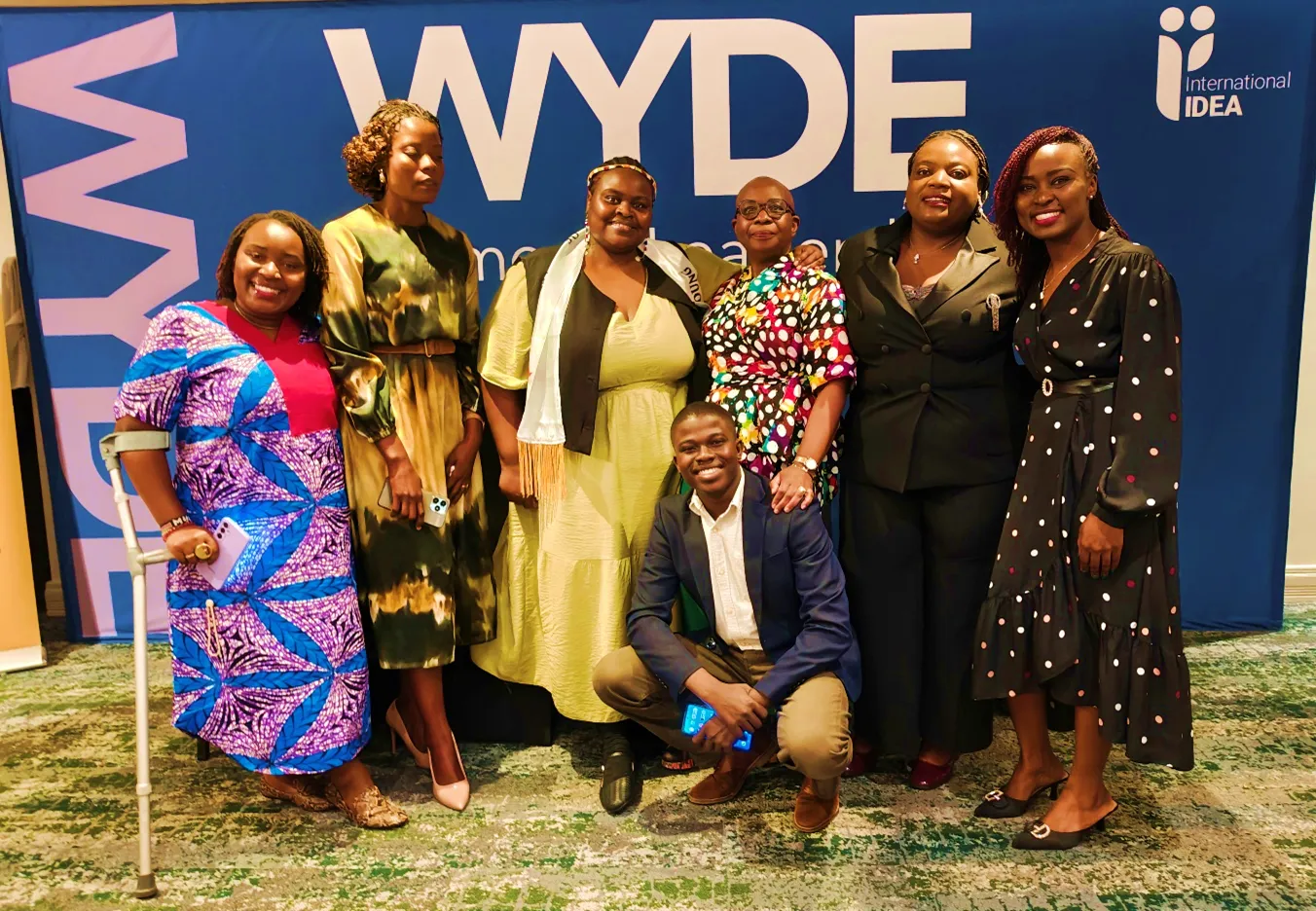
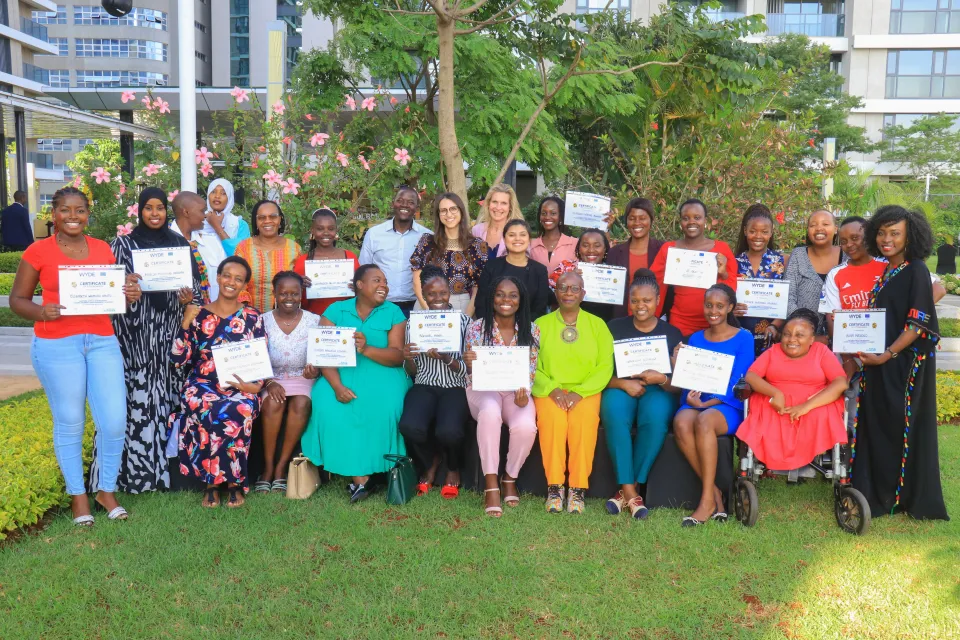
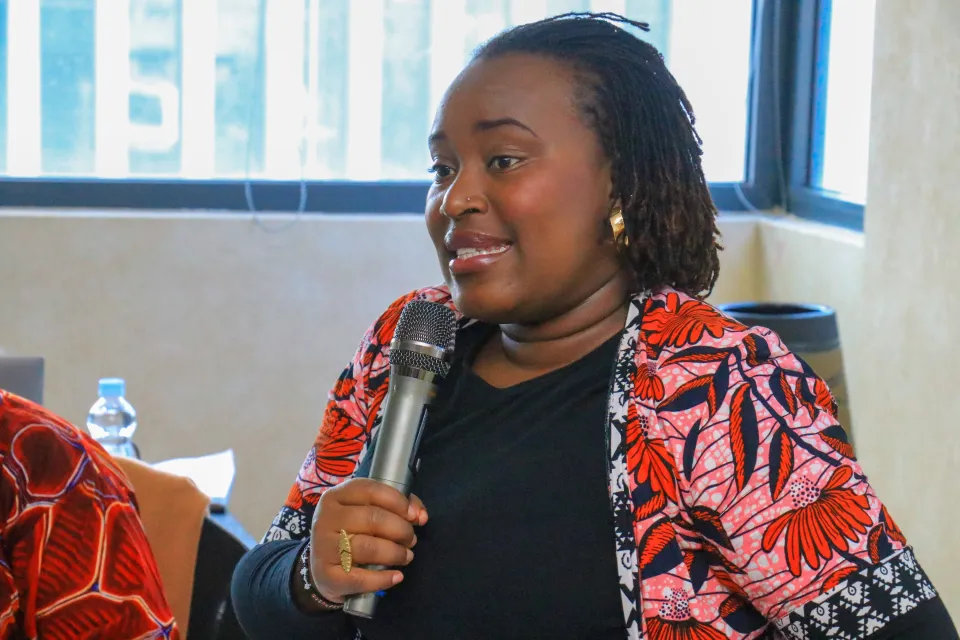
As pointed out by some participants during the East Africa Academy for Young Women’s Empowerment convened by the European Union (EU) funded Women and Youth Democratic Engagement (WYDE) Women’s Leadership Initiative, election campaign season is set up to ridicule women leaders with disabilities. This exacerbates the costs of campaigning for a political leadership position for women with disability since they have to self-fund their own infrastructure or equipment to use during rallies plus pay aides as most political parties will not support them financially. The gendered discriminatory distribution of campaign finance by political parties is worse for women with disabilities.
“I need to dig deeper in my pocket if I want to campaign comfortably in the next election. Expecting financial help from my political party is a dream.” WYDE East Africa academy participant with disability.
The social model for disability tends to lean towards pity compared to empowerment. Hence, most women in politics with disabilities are disabled by the existing social norms and not their impairments. The recognition of diversity of women leaders with disabilities needs to be analysed within the intersectionality of race, social class, geographic location, education level, etc. The assumption that one solution fits all when crafting solutions for inclusivity is not sustainable. Evaluation of potential election candidates by political parties needs to consider the limitations of women with disabilities to prove themselves though participation in activities such as door-to-door campaigns, long and late-night meetings.
The plethora of strategies to increase the low representation of women in politics worldwide has hardly focussed on the additional barriers that women in politics with disabilities face. As the world leaders gather in Doha for the Second World Summit for Social Development, the hope is that women leaders with disabilities will no longer be ‘othered’ but consciously included in policy formulation and implementation. It has been 33 years of recognising the International Day of Persons with Disabilities annually on 3 December. The ascension of women with disabilities to political decision-making positions has been at snail pace. The call to action should therefore focus on institutional change driven by transformative social norms.
With just under five years to the deadline for the Sustainable Development Goals (SDGs) and in particular SDG 5.5 there is still an opportunity for those countries that will hold elections to redeem themselves by meaningfully including women with disabilities in political participation and representation. New frontiers include the advent of technology, including Artificial Intelligence (AI), which can be used to provide access to political platforms through online contributions and information. Additionally, digital tools can be used as solidarity and networking platforms for women in politics with disabilities.
Other frontiers include technical assistance to electoral stakeholders such as political parties and Election Management Bodies (EMBs) to promote inclusive electoral practices that facilitate the participation of women with disabilities. Building electoral stakeholders’ capacity to document and disaggregate electoral data by gender, age and disability is also necessary. Additionally, voter and civic education should include the rights of persons with disabilities. Special measures such as political leadership quotas for persons with disabilities should include provisions for equal participation by women and men. Capacity building and sensitization of law enforcement agencies on the rights of women in politics with disabilities is important.
These and other strategies will ensure that women in politics with disabilities advocate for issues unique to them and bring their expertise, experiences and skills to enrich policy making through political participation and representation. Thus, the credo ‘Nothing for us without us’ will be observed, leaving no one behind.
Disclaimer: Opinions expressed in this commentary are those of the authors and do not necessarily represent the institutional position of International IDEA, its Board of Advisers or its Council of Member States.


About the authors