Achieving impact in climate deliberation: Lessons learned from Latin America, Africa, Asia and the Pacific
Deliberative methods have been increasingly recognized as a promising tool for directly involving citizens in formal decision-making. They can help policymakers tackle complex and contested policy issues, such as climate change, while also creating opportunities to strengthen trust in public institutions.
International IDEA has contributed to this growing field through a body of research examining the potential of citizen deliberation for climate governance in the Global South, including through our 2024 report, Deliberative Democracy and Climate Change: Exploring the Potential of Climate Assemblies in the Global South, 2025 case study report Amazonian Climate Deliberation: Insights from Three Citizen Assemblies on Climate Finance Held Ahead of COP30, and the Voices of Climate Democracy series.
Our research demonstrates how and why climate assemblies are innovative practices for building a more ambitious and citizen-owned climate agenda. However, a fundamental question remains: how can deliberative processes move beyond participation and generate lasting impact?
Building on previous findings, International IDEA, in collaboration with Democracy R&D, Extituto de Política Abierta and iDeemos, brought together more than 80 practitioners, policymakers, and researchers from across Latin America, Africa and Asia-Pacific in a cycle of South-South cross-regional learning dialogues held between May and June. Through three interconnected conversations, participants shared experiences from their own work with citizen assemblies, mini-publics, and other deliberative initiatives, around the question of how to better generate impact and influence climate and environmental policy in their communities.
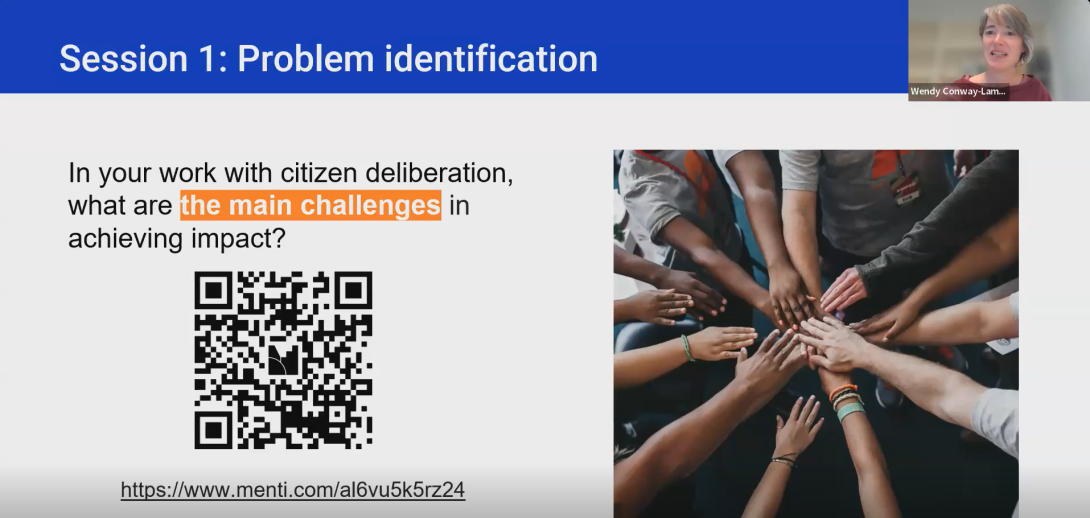
Image 1. Mentimeter survey conducted to identify key challenges across Latin America, Africa, Asia and the Pacific.
These dialogues resulted in a set of good practices and innovations, which, if implemented, can potentially maximize the impact of citizen assemblies. These include engaging decision-makers throughout the process, as well as anchoring recommendations in existing legal and policy frameworks, building strategic partnerships, and developing strong outreach and communication strategies. Importantly, these innovations did not emerge in isolation. Rather, they responded directly to the recurrent needs and challenges identified by participants as preventing citizen deliberation from achieving meaningful impact. The following sections explore these needs and the strategies proposed to address them.
A need for stronger institutional pathways
A recurring theme throughout the exchanges was the need to strengthen the relationship between deliberative processes and formal decision-making systems.
According to participants, recommendations often lose momentum once they are handed over to public authorities, which undermines the potential impact of citizen deliberation. A combination of factors helps explain this, ranging from political turnover following election cycles and competing policy priorities to limited institutional capacity—particularly at the local level—and unclear implementation responsibilities. In many cases, recommendations are not legally binding, leaving authorities with potentially weaker incentives to act on them.
To address this gap, participants stressed the importance of linking the recommendations to existing legal and policy frameworks, thereby creating a clear “hook” for implementation. Developing an impact strategy alongside the deliberative process itself was considered essential, including clarifying who is responsible for implementation, what timelines are expected, and how progress should be monitored.
Participants in the Africa session particularly underscored the value of connecting recommendations to existing laws, pending bills, or national policies. Proposals grounded in frameworks that public authorities are already obligated to implement were seen as more difficult to dismiss, sidestep, or oppose.
What we did in our last citizen assembly is that whatever recommendation we came up with, we made so we tied it to either a law, a bill, you know, something that has legal backing.
— participant in the Africa learning exchange
Many participants also highlighted the value of involving decision-makers throughout the process rather than only at its conclusion. Inviting public officials, municipal staff, and policymakers to observe deliberations and engage with participants can help transform skepticism into understanding and, in some cases, create institutional champions capable of advancing recommendations within government.
One example of a good practice came from a participant in the Asia and the Pacific session, who effectively used a strategy of institutional embedding:
We had a large number of municipal staff in the entire process […]. Their initial resistance transformed into strong internal ownership. They became so-called champions inside the government supporting the implementation.
— participant in the Asia and the Pacific learning exchange
Institutionalizing deliberative practices not only reduces the risk that a deliberative exercise becomes tokenistic, which can happen when there is a lack of follow-up or clear implementation pathways, but also helps connect assembly outputs to relevant policy windows and decision-making opportunities.
Strengthening the ecosystem of actors to ensure impact
Another message emerging from the exchanges was that impact depends heavily on relationships.
Participants emphasized the need to build and sustain relationships with strategic allies before, during and after deliberative processes. These allies include civil society organizations, media actors, public administrators, elected representatives, academics, community leaders, oversight institutions, and international organizations.
Several practitioners noted that institutional resistance is often rooted not in opposition to recommendations themselves, but in unfamiliarity with deliberative methods. Building trust and understanding, therefore, requires long-term engagement rather than one-off interactions.
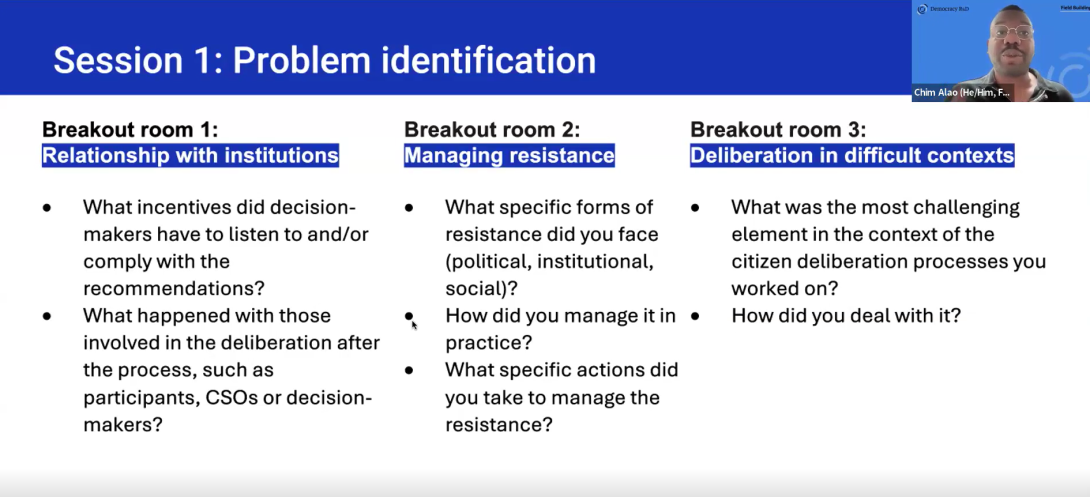
Image 2. Discussion on the main challenges participants from the Asia and the Pacific session face in their work with citizen deliberation.
Stakeholder mapping was identified as a particularly valuable practice. Understanding who holds decision-making authority, who influences decisions behind the scenes, and what incentives drive different actors can help practitioners tailor their engagement strategies more effectively.
Participants also highlighted the importance of coalition-building. Working collectively can expand advocacy capacity, increase legitimacy, pool resources, and create multiple pathways for influence. A participant from the African exchange highlighted that, beyond the deliberations themselves, citizen assemblies can become knowledge-consolidation processes, capable of building communities of practice and expanding knowledge and capacities for future work, thereby generating long-term resources beyond the assemblies.
Think about citizen assembly [impact] not only as the follow-up on the recommendations, but the process of organising helps to bring together the knowledge about certain themes, brings the people together.
— participant in the Africa learning exchange
At the same time, participants also stated that alliances alone do not guarantee impact. Rather, relationships must be nurtured continuously and adapted to changing political realities.
Securing resources beyond the assembly
Across all regions, participants identified long-term resource allocation as one of the greatest needs.
Funding is often focused on organizing deliberative events themselves, while activities critical to impact, such as communication, follow-up, monitoring, public reporting and relationship-building, remain underfunded. In that sense, projects frequently end before meaningful implementation work begins. Indeed, one participant noted that a lack of funding plays a key role in explaining why follow-up processes are “cut short”.
In this context, an important idea that was raised is the need to communicate the value of deliberative practices more effectively to funders. A clear benefit of deliberative processes is the high-quality evidence about citizens’ priorities and needs that is generated, helping governments and donors make more informed decisions about climate investments and public spending.
Communication as a core impact strategy
One of the clearest lessons emerging from the dialogues was that communication cannot be treated as an afterthought but should rather be perceived as “a lifeline”.
Communication was described as essential for building legitimacy, increasing public understanding, and generating pressure for implementation after deliberations. Without effective communication strategies, recommendations risk remaining invisible to both decision-makers and the wider public.
Strong storytelling, public reporting, and media engagement were identified as particularly valuable tools. Practitioners shared examples of journalists accompanying assemblies throughout the process (from interviewing participants to reporting on the recommendations), social media campaigns bringing deliberations into public debate, and creative approaches such as theatre, documentaries and community storytelling helping to engage wider audiences.
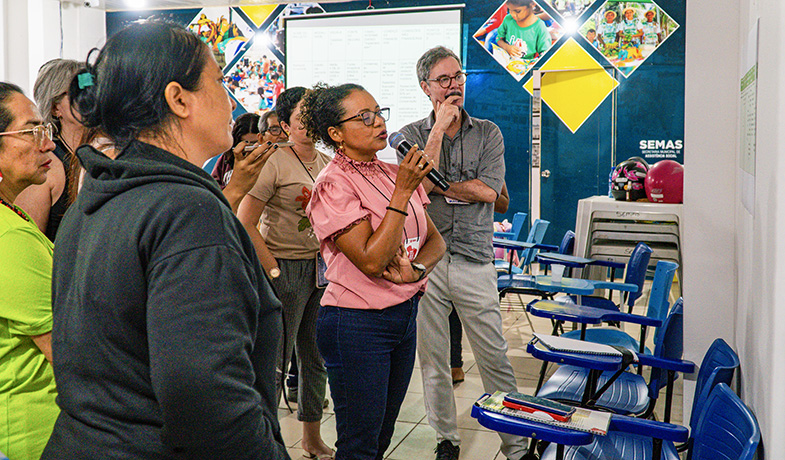
Image 3. Climate assembly held in Barcarena (Pará, Brasil) in September 2025 by Delibera Brasil in collaboration with International IDEA.
Along the same line, using strategic framing and narratives that resonate with institutions and decision-makers can help move deliberation processes forward. For instance, some good practices from Latin America show that a “strategic ambiguity” approach can be helpful, especially in polarized contexts and on contested issues, presenting assemblies as a platform for managing conflict, understanding citizens’ priorities, and supporting more informed decision-making.
It was represented as a process that seemed less threatening than other participatory institutions [...] in contrast to processes that are more contentious and [likely to cause] conflict [with] actors who do not agree with advancing climate policy.
— participant in the Latin America learning exchange
At the same time, participants discussed growing challenges linked to misinformation and partisan capture of informal communication spaces, language barriers, and unequal access to information, which especially affect marginalized groups. Addressing these barriers requires communication strategies that are adapted to local contexts and capable of reaching communities through both formal and informal channels.
Ensuring context-sensitive and inclusive climate deliberation
Another finding from the exchanges is that impact depends on ensuring that deliberative processes are rooted in local realities.
Climate issues are often intertwined with concerns such as provision of basic public services (health, security, critical infrastructure, among others), poverty, corruption, and social exclusion. Participants pointed out that climate deliberation must connect with the everyday experiences and priorities of communities rather than treating environmental issues in isolation. As explained by one of the participants in the Latin American exchange, who was involved in a legislative theatre in Buenaventura, Colombia, this means that the assembly must take into account other, more pressing priorities for the communities, which, if overlooked, could lead to skepticism and disaffection among those taking part in the process. The exchanges also highlighted the importance of incorporating local and Indigenous knowledge into climate decision-making processes.
Participants from several countries, including Bangladesh, considered one of the most climate-vulnerable countries, shared experiences of how community expertise can strengthen both the legitimacy and relevance of climate adaptation and mitigation strategies. In this particular case, a participant from the Asia-Pacific session shared the value of indigenous knowledge to inform measures for coastal protection and resilience.
In addition to contextualizing the issues discussed in the climate assembly, participants agreed on the need to also contextualize the process itself to ensure inclusion. Persistent barriers related to geography, language, literacy, or digital access can fuel the feeling of unfamiliarity and resistance towards deliberative methodologies, including the practice of civic lotteries and random assignment.
Applying a context-sensitive lens also means reflecting on gender norms and power imbalances, which in many contexts limit the effective participation of different population groups due to cultural and traditional practices and assumptions. For instance, a participant from the Africa exchange described having to overcome the dominance of male elders over the voices and experiences of other participants, such as women or youth.
Women have to seek permission to speak, a young person has to seek permission to speak. Mostly when you gather people to talk, mostly the elders talk.
— participant in the Africa learning exchange
Another innovative experience in deliberation came from Aotearoa (New Zealand), where indigenous citizens leading a deliberative process in their community “flipped” the power dynamic. Instead of providing recommendations to external decision-makers, they set up their own institutional body responsible for receiving and acting upon the recommendations.
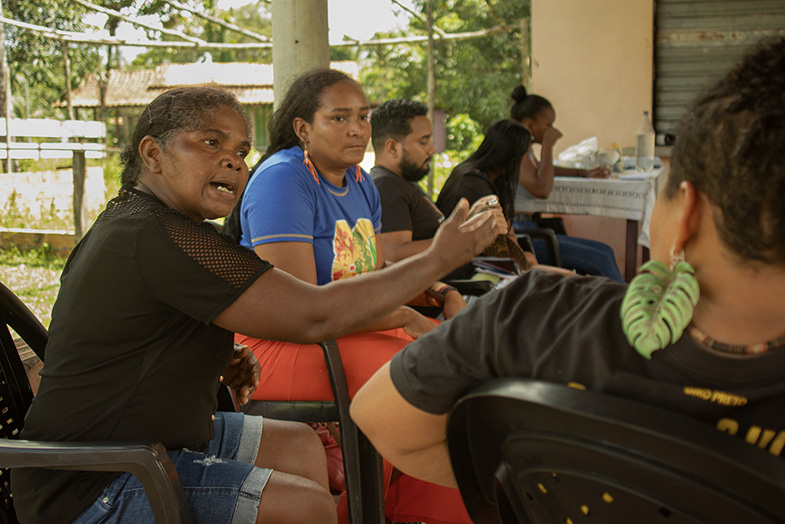
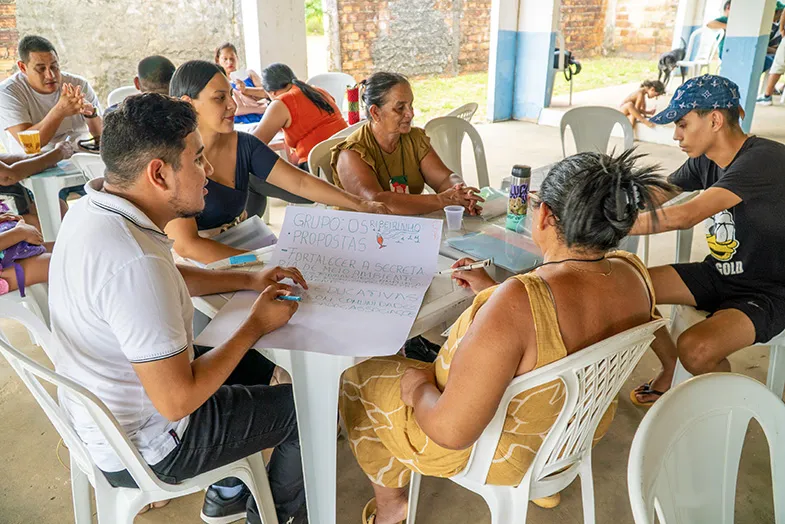
Image 4. Climate assembly held in Bujuru (Pará, Brasil) in September 2025 by Delibera Brasil in collaboration with International IDEA.
In a nutshell, addressing these challenges requires designing deliberative processes that are inclusive from the outset, creating safe spaces for participation, adapting methods to local contexts, and closing information gaps through awareness-raising campaigns so that citizens are informed and on board. Additionally, it is important to ensure that knowledge generated through deliberation is shared back with communities.
Looking ahead
While participants acknowledged the significant challenges for impactful citizen deliberation on climate and environmental policy, the exchanges also revealed a growing body of practical experience, good practices, and innovation across the Global South.
The discussions showed that achieving impact is not solely a question of improving deliberative methodologies; it also requires stronger institutional pathways, strategic relationship-building, sustained resources, effective communication, and a deep understanding of local contexts.
The lessons emerging from these South-South dialogues resulted in two summary outcomes: A key insights report with the main points made during the sessions and a Summary Video with key insights presented by the facilitators of all three regions. In addition, they will inform the development of a forthcoming guide on impact strategies for citizen deliberation and contribute to broadening the conversation on the central role of democratic innovation in climate governance. In the context of increasingly complex and pressing climate challenges, there was a consensus that meaningful citizen participation is central to sustainable and sound adaptation and mitigation policies. This does not end when citizen recommendations are delivered to decision-makers but extends far beyond that. The real challenge, but also opportunity, lies in creating the conditions that allow recommendations to shape policy, practice, and collective action over time.
We are grateful for the support from the German Federal Ministry for Economic Cooperation and Development (BMZ) which enabled International IDEA's work on citizen deliberation for effective climate action.



About the authors