


Reimagining Democracy for the Future: Democracy in 2050
Envisioning Conferences: June and July 2026

The India International Institute of Democracy and Election Management (IIIDEM) and the International Institute for Democracy and Electoral Assistance (International IDEA) hosted two envisioning conferences titled “International Conference on Reimagining Democracy for the Future: Democracy in 2050,” held on 11–12 June and 20–21 July 2026, respectively. The detailed background note circulated for the conferences is provided in annex A.
As chair of International IDEA’s Council of Member States for 2026, India identified “Democracy that Delivers” and “Democracy in 2050” as key thematic priorities under the pillar “Reimagining Democracy for the Future.” Inspired by the principle of Vasudhaiva Kutumbakam—the world is one family—the conferences brought experts and policymakers together to consider how democracy delivers for citizens today and how it can continue to deliver in 2050.
Both conferences were held in hybrid format at the IIIDEM’s headquarters in New Delhi. Each consisted of eight sessions over two days and featured speakers from leading universities, think tanks, and governmental and intergovernmental bodies. Both conferences included all the same sessions, although the order differed. The session moderators and speakers are listed in annex B.
The proceedings of both conferences, organized by session titles, have been summarized in the following sections. As the discussions were held under the Chatham House Rule, the summaries reflect the arguments and perspectives expressed by participants without attributing statements to specific individuals.
The views summarized in these proceedings are those of the participants and do not necessarily reflect the positions of the Election Commission of India (ECI), the IIIDEM, or International IDEA.
The conferences were premised on the overarching chairship theme, “Democracy for an Inclusive, Peaceful, Resilient, and Sustainable World,” which gives direction to the vision of democracy in 2050. The focus during the conferences was on understanding the institutions, policies, pathways, and innovations that would make democratic institutions future-ready by strengthening their capacity to anticipate and respond to emerging challenges.
The core premise of the conferences was that democracies not only uphold democratic principles but also provide institutional conditions under which inclusion, peace, resilience, and sustainable development are produced, reproduced, and sustained. These four outcomes, highlighted in the chairship theme, provide a focus for examining and evaluating democratic delivery.
While support for democracy remains strong across regions, citizens are increasingly demanding better delivery of public goods and services and better living conditions. The conferences proceeded from the view that such rising demands and expectations need not signal declining trust; they can equally be read as a mark of democratic vitality and faith that democracy can deliver.
The chairship vision is that democracies can deal with future challenges if they continue to empower citizens, strengthen institutions, and create democratic innovations to deal with disruptive technologies, climate change, resource conflicts, demographic shifts, urbanization, geopolitical fragmentation, and the weakening of multilateral norms.
Overall, the core premise of both conferences was that democratic systems must make sustained investments in accountable institutions, information integrity, and individual rights to deliver for the generations of 2050.
Session 1. Vision for Democracy in 2050
Key Takeaways
- Democracy delivers today and will continue to deliver in 2050 through accountable institutions, citizen empowerment, progressive policies, equitable and efficient allocation of resources, and continuous learning, innovation, and adaptation.
- Democratic institutions produce social outcomes, and those outcomes in turn deepen legitimacy and public trust.
- Democracies respond to economic, environmental, demographic, and technological challenges through their self-correcting mechanisms, checks and balances, culture of public deliberation and debate, decentralized experimentation, and coordination between state, market, and civil society.
- The Global South is developing democratic innovations in response to the challenges facing countries in that part of the world. These experiences should be documented to inspire the vision for democracy in 2050.

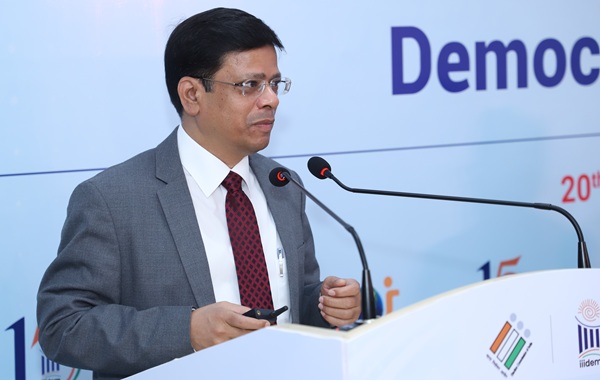
Rakesh Kumar Verma, Director General, IIIDEM. Photo by the IIIDEM.
The keynote address set the tone by presenting the chairship vision of democracy in 2050—a democracy that delivers an inclusive, peaceful, resilient, and sustainable world and in which citizens live with dignity, exercise their rights, participate in political processes, and benefit equitably from development.
The keynote emphasized that democracies should be evaluated by what they deliver for citizens. The task, it said, is not to reinvent democracy but to realize its full potential through collaboration and continuous exchange between all stakeholders, particularly in the Global South. The countries that make up the Global South must learn from one another’s demonstrated cases of successful democratic delivery, adapt them to their own conditions, and build their institutional capacity to sustain those outcomes. India’s record of delivery through welfare policies was cited as evidence of democracy’s ability to retain and renew trust through delivery.
Speakers stressed that citizens’ agency strengthens the deliberative dimension of democracy. The vision for 2050 is that rapid advances in technology can expand participation in deliberative processes, which in turn can facilitate citizens’ input into budget-making, policy formulation, and review, audit, or evaluation of public service delivery.
Speakers also suggested that decentralized institutions incentivize public participation, local experimentation, and development of local solutions to meet complex governance challenges.
Speakers connected the ideas of citizen empowerment, accountable institutions, and autonomy for subnational or local governments with the Sustainable Development Goals. Finally, artificial intelligence (AI) was discussed as a transformative and cognitive force that is reshaping how people communicate, reason, debate, and form opinions. Participants therefore concluded that this technology should be governed and deployed under accountable human oversight in ways that promote inclusion, peace, resilience, and sustainable development.
Session 2. Democracy in 2050: Delivering on Inclusion
Key Takeaways
- Inclusion in democratic systems is secured through constitutional frameworks that guarantee equal citizenship, rights, recognition, representation, decision-making influence, justice, and security.
- Democratic systems deliver measurable inclusion by removing systemic barriers to access to public resources, public services, livelihoods, and opportunities.
- Inclusion becomes a lived experience when institutions are inclusive, responsive, representative, and accessible.

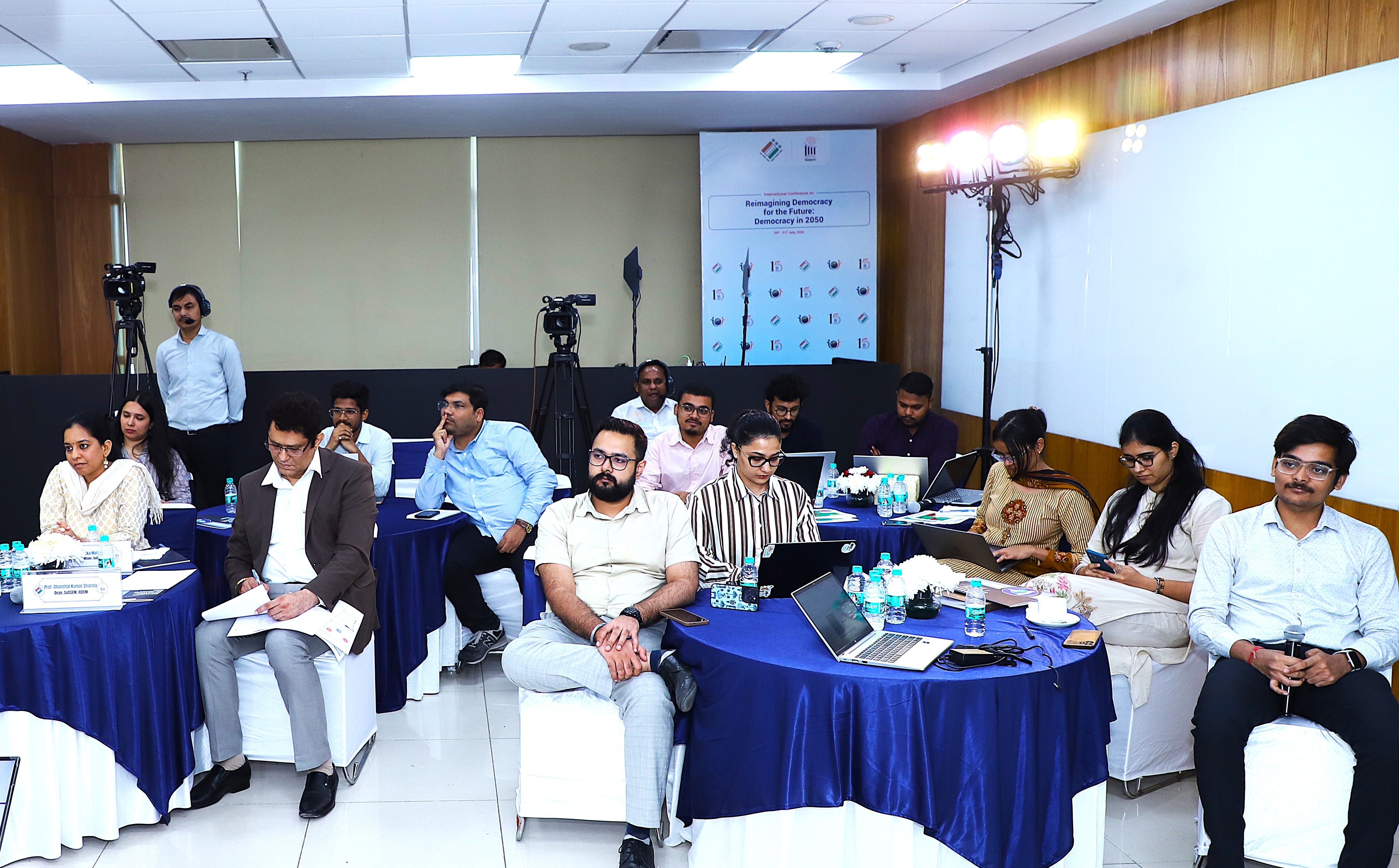
The session examined how democracy promotes inclusion for minorities and marginalized groups. The democratic principle that guides inclusion is that every citizen should count equally. Constitutions enshrine this principle through equal citizenship, protection against discrimination, and freedom of expression and association. Democratic governance allows citizens to influence public policies through participatory and deliberative processes. Citizens can seek remedies when their rights are denied.
Speakers identified four barriers to inclusion: (a) structural barriers, such as poverty and unequal access to education; (b) institutional barriers, such as exclusion embedded in recruitment procedures; (c) social barriers, which deny leadership opportunities to the marginalized; and (d) political barriers, such as unequal access to political resources and networks.
Legal quotas increase the representation of groups that have historically been excluded. India’s Panchayati Raj system (rural local bodies) was cited as a model that mandates that all elected panchayats reserve a minimum of one-third of seats for women.
In order to translate representation into influence and participation into empowerment, three design principles were discussed. First, institutions should be designed in light of the circumstances of those facing the greatest exclusion. Second, reforms should be reviewed and audited to establish whether they are reaching the intended beneficiaries. Third, governments should engage directly with the groups experiencing exclusion to identify issues, challenges, and obstacles so that targeted policies can be devised.
Speakers also referred to the United Nations’ visions of “cities for all.” Inclusive cities involve marginalized groups in city planning and enable them to shape their surroundings. Speakers suggested five pillars of inclusive democracy in 2050: (a) inclusive representation; (b) participatory governance; (c) equitable service delivery; (d) digital inclusion; and (e) spatial equity, meaning equitable proximity to schools, health care, and transport.
Speakers discussed gender budgeting, rights-based approaches, and digital public infrastructure to ensure inclusive governance. A cross-country survey discussed in the session indicated that respondents from minority groups in some Global South countries reported favorable experiences. This supports the case for documenting positive experiences from the Global South.
Session 3. Democracy in 2050: Delivering on Peace
Key Takeaways
- Democracy builds sustainable peace by converting conflict into political contestation and by providing constitutional ways to compete for power.
- Well-designed dispute resolution institutions enable parties to interact, negotiate, and offer reciprocal concessions to reach compromise.
- Women’s participation builds sustainable peace. Access to political opportunity structures enables women to shape or negotiate policy agendas and provisions.
- Institutional mechanisms should anticipate and address risks before they escalate into crisis situations by combining bottom-up citizen participation and anticipatory governance.

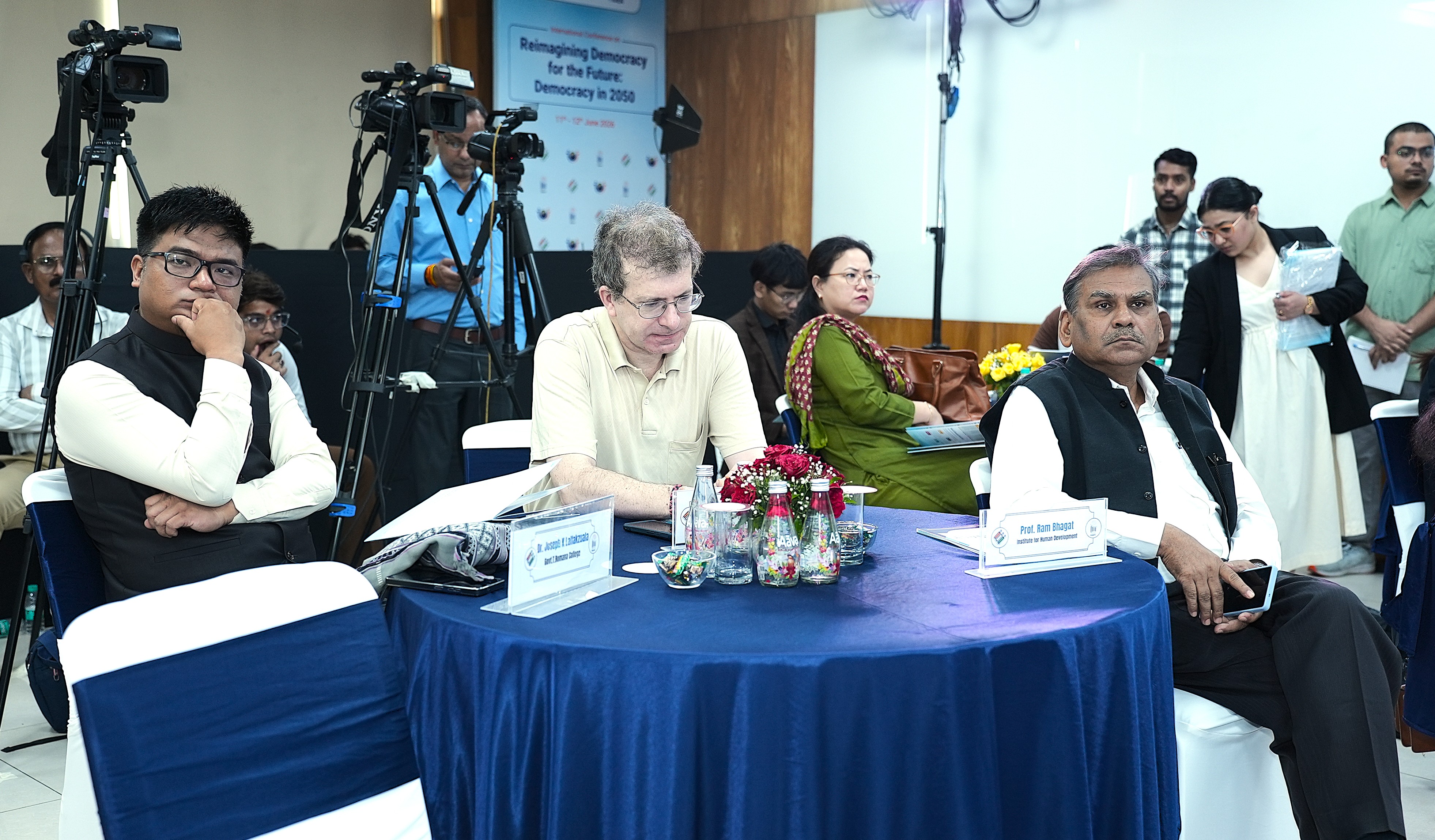
This session explored how democracy can foster sustainable peace. The panelists defined peace as not simply the absence of violence, but as a core democratic deliverable that includes justice, dignity, and trust secured through inclusive institutions, dialogue, accountability, and equitable participation.
Panelists argued that democratic institutions give every group a stake in peace. Some pointed out that a functioning democracy is the core infrastructure of sustainable peace because it fosters shared norms and values, provides a system for a peaceful transfer of power, and establishes institutional or coordination mechanisms for nonviolent conflict resolution. Others emphasized a rational “calculus of loss”: groups with social, political, or economic grievances understand that violent conflict carries high costs and a risk of defeat, whereas democracy offers these groups credible opportunities to gain political power and pursue their demands through political negotiations.
The session proposed four building blocks for a peaceful democracy by 2050—participation, inclusion, trust, and readiness for the future. A complementary set was also offered—early-stage negotiations, participation in constitution-making, credible elections, and rule of law. Diversity, it was argued, makes democracy stronger, provided the system fosters a shared sense of national belonging. India’s constitutional accommodation of diversity and heterogeneity was presented as a success story.
In post-conflict contexts, women’s participation is strongly associated with more durable peace. Despite the substantive contribution of women to peace processes in post-conflict contexts, women remain underrepresented in peace negotiations and peacebuilding initiatives. Effective peacebuilding requires hybrid approaches that connect international actors, national institutions, and local communities, rather than relying exclusively on top-down or bottom-up models.
Panelists proposed pairing bottom-up citizen participation with anticipatory governance to prepare for emerging challenges such as climate change, demographic shifts, resource conflicts, and disruptive technologies. Early dialogue, dispute resolution mechanisms, credible elections, and shared assessment of risks allow institutions to act before risks escalate so that peace remains a lived democratic achievement.
Session 4. Democracy in 2050: Delivering on Resilience
Key Takeaways
- Democracy is a self-correcting ecosystem. Democratic institutions and processes allow early identification and redress of problems.
- Democratic resilience rests on citizens’ participation, rights-based entitlements, constitutional safeguards, and institutions that are transparent, accountable, and adaptable. These features support recovery and renewal across different settings.
- In newer democracies, the foundational design of systems of government is central to democratic resilience.

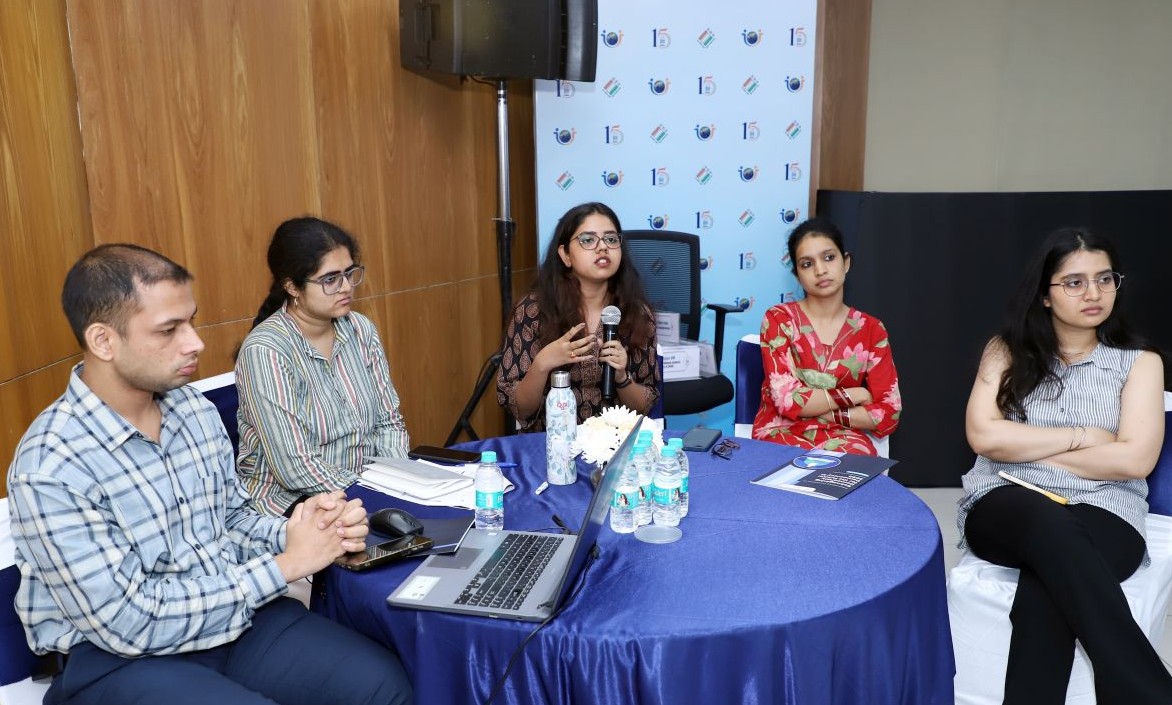
This session focused on democratic resilience, which implies maintaining democratic institutions and public services during crisis and disruption. Resilience implies the capacity of democratic institutions and societies to anticipate, absorb, and respond to unanticipated risks. Citizens’ participation, transparent decision-making, and accountable institutions enable democracies to perceive risks and take early and corrective action. Democratic systems tend to learn continuously and improve future responses to crisis situations.
The session identified three sources of democratic resilience: (a) democratic societies; (b) power sharing; and (c) social cohesion. These features create space and scope for designing democratic innovations to deal with emerging risks and challenges.
Comparative experience of constitution-building in new democracies or post-conflict societies highlights that democratic resilience can be ensured if constitutional reforms create space and scope for iterative course correction within a broad frame of social and political consensus based on democratic values and institutional norms. Judicial independence, a free press, broad-based participation, and institutional redundancy and responsiveness were identified as the elements that create conditions for democratic resilience.
Panelists noted that there is no single model of democratic resilience. Resilient systems share power across institutions, protect political plurality, and maintain effective checks and balances. These features enable governments to act decisively in a crisis while remaining accountable and build the public trust that carries democracies through emergencies.
Eight pillars for resilient governance by 2050 were set out: (a) the ability to adapt without bypassing checks and balances; (b) accountability that sustains public trust; (c) participation that includes everyone; (d) peaceful ways to resolve conflict; (e) civil society acting as an early-warning system; (f) open and reliable public information; (g) encouragement of innovation; and (h) fostering broad consensus on core democratic values.
Session 5. Democracy in 2050: Accelerating Sustainable Development
Key Takeaways
- Democracy and sustainable development are mutually reinforcing. When development policies reflect public priorities, institutions are accountable, and people get fair access and equal opportunities, development becomes sustainable.
- Decentralized, participatory, and deliberative governance practices bring development decisions closer to the populace.
- Democracies can focus on long-term anticipatory planning and safeguarding the interests of future generations.

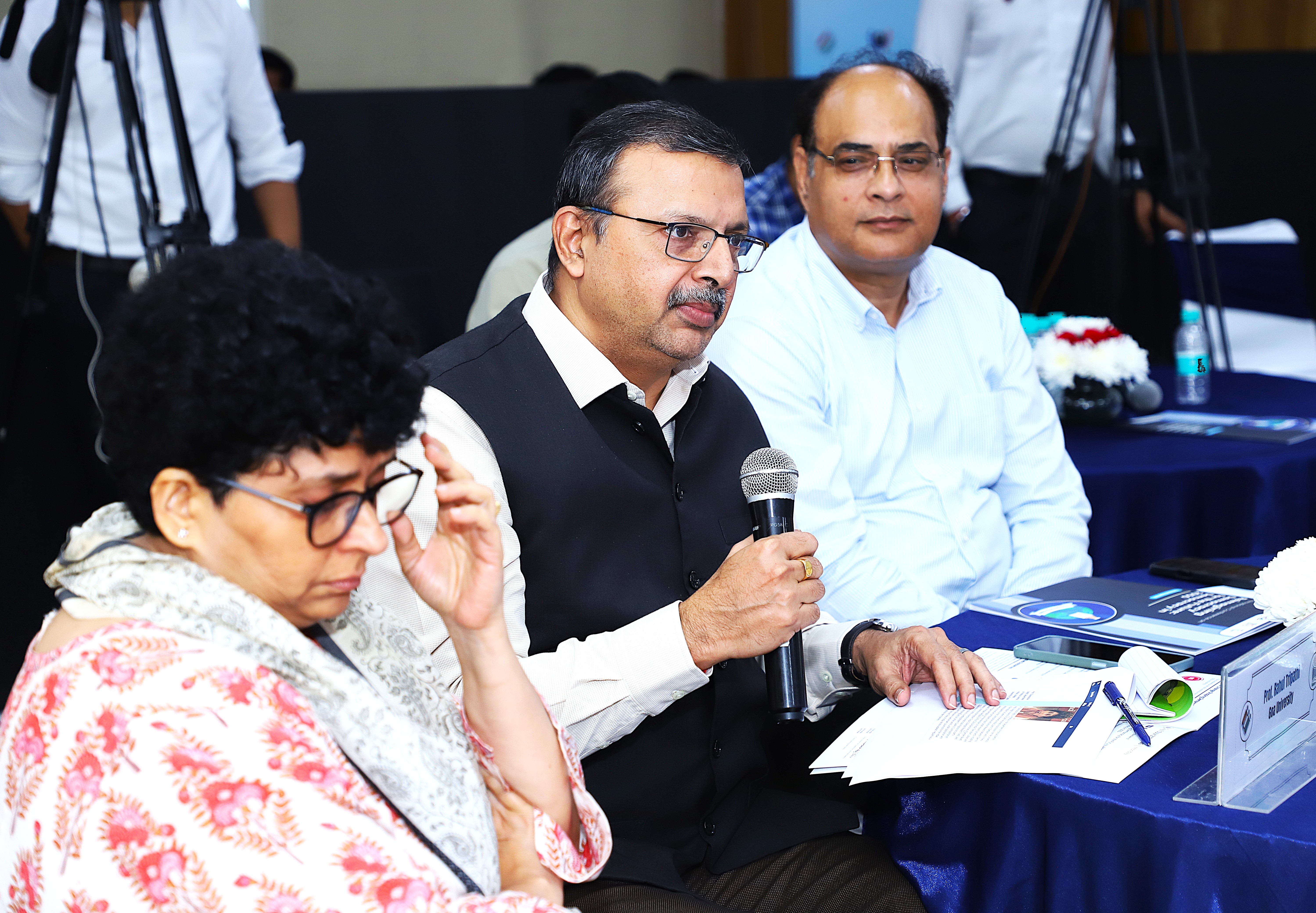
This session examined how democratic governance can accelerate sustainable development by focusing on intergenerational policies. Democracy enables long-term sustainable governance by institutionalizing continuous interactions between civil society and government officials. This ensures that citizens have a voice in deciding the goals of development policies and the means to achieve those developmental goals. Political representation ensures that public demands become part of the policy agenda, and accountable institutions ensure that social outcomes are desirable and tangible. Cross-country evidence discussed in the session suggests that the quality of governance processes and institutional integrity is associated with performance regarding the Sustainable Development Goals.
Decentralized governance strengthens the connection between public needs and public policies because local governments are closer to people’s experiences. Local governments can involve people in determining how scarce resources can be utilized most effectively and efficiently. They can also draw on local knowledge to design policy innovations in accordance with the specific needs of local communities.
Sustainable development requires that the concern for people’s needs extends beyond the current generation and takes into account the impact of today’s policy choices on future generations. Speakers therefore invoked surrogate representation—that is, elected officials representing constituents who did not vote for them. In the context of sustainable development policies, future generations, who cannot vote, are such constituents.
However, whether society supports concern for future generations also depends on civic culture. People must therefore understand that critical resources are nonrenewable and should be used sustainably. In this context, speakers invoked the Gandhian idea of trusteeship to emphasize social commitment to conserving resources.
A democratic system can focus on affordable clean energy and technological innovations to help societies put these commitments into practice. Democratic governance contributes by enabling open discussion of the costs and benefits of new policy choices, investments, and innovations, so that anticipatory governance receives wide public support. Overall, the consensus was that independent, inclusive, and accountable institutions remain essential to achieving sustainable development and balancing immediate priorities with long-term societal needs.
Session 6. Strategic Assessment of Democracy (SWOT Analysis)
Key Takeaways
- The session identified democracy’s record of delivery on inclusion, peace, resilience, and sustainable development as a key strength, and one that helps explain why citizens’ support for democracy remains strong in many regions.
- Democracy’s capacity for self-correction is one of its greatest strengths. Competitive elections, independent institutions, a free press, and a strong civil society create the conditions for democratic renewal.
- The session also identified weaknesses and threats: self-correction weakens when institutions lose their independence, when minority and dissenting voices go unheard, and when short-term electoral incentives crowd out long-term policy, while disinformation and AI-driven manipulation can distort public debate.
- The pathway toward democracy in 2050 is to advance inclusion, peace, resilience, and sustainable development by deepening democratic practice through institutional designs that are more representative, gender-just, inclusive, accountable, and participatory.

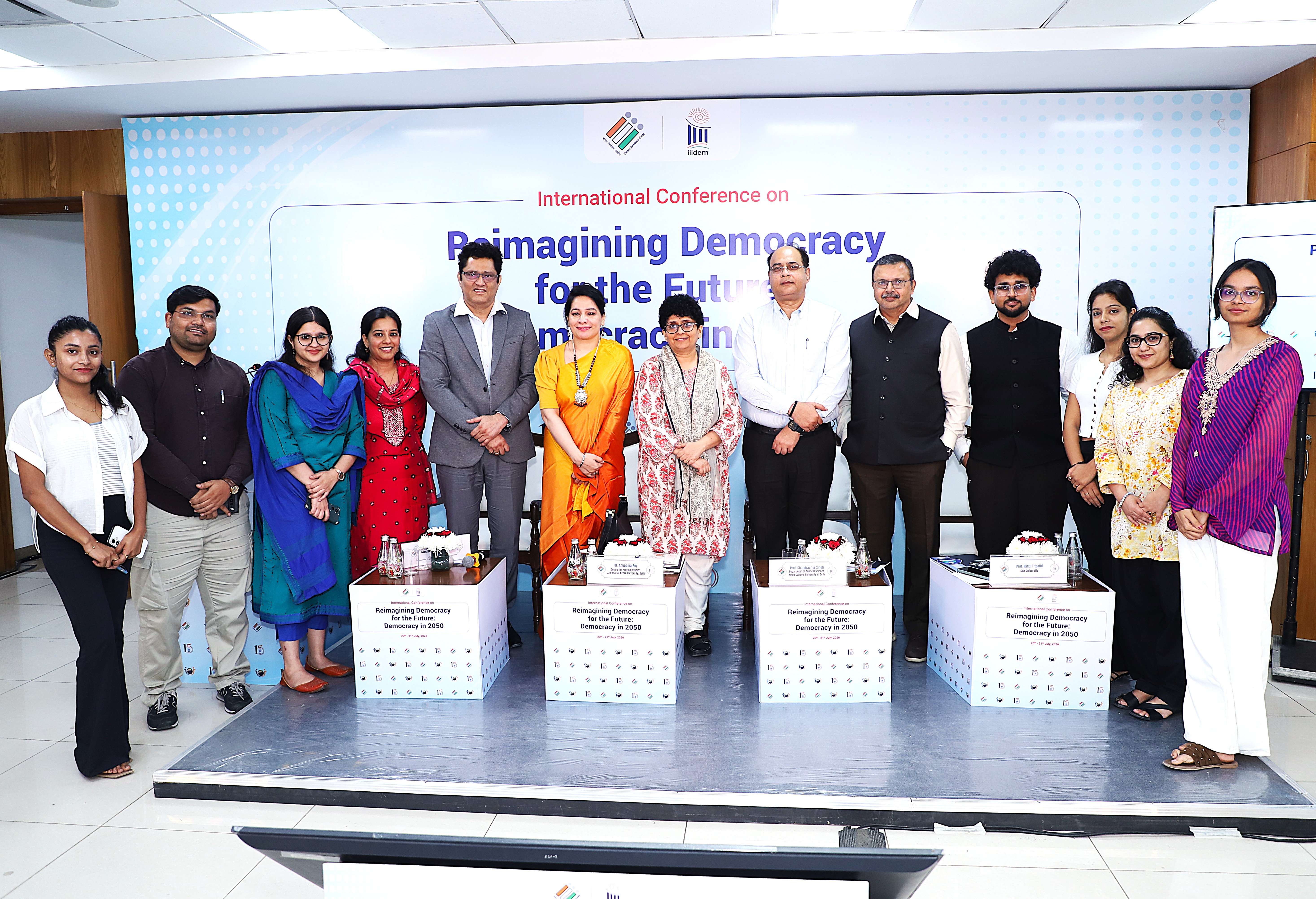
This session was dedicated to a SWOT analysis, where panelists were encouraged to think through the strengths, weaknesses, opportunities, and threats facing democracy on the road to 2050.
Examining global trends and data on democratic performance, panelists discussed the risks and vulnerabilities many countries face in the years to come. Panelists illustrated India’s achievement of sustaining democracy since independence in 1947, despite widespread poverty, deep social inequalities, and vast diversity.
The discussions underlined that a key strength of democracy lies in its capacity to accommodate differences and provide institutions through which grievances can be expressed and differences negotiated and resolved. Electoral competition provides avenues for peaceful contestation and the transfer of power. Panelists also emphasized that competitive elections, independent and accountable institutions, a free press, and a strong civil society reinforce democracy’s capacity for self-correction and renewal, another strength of democracy.
Self-correction is not automatic. It weakens when institutions lose their independence, when minority and dissenting voices go unheard, and when short-term electoral gains take precedence over long-term policy priorities. Democracies in every region face these challenges and can overcome them through their own institutions. Disinformation and AI-driven manipulation can distort public debate, but the same technologies, under human oversight, can also widen participation and strengthen accountability.
Panelists cited Afrobarometer findings that a majority of Africans continue to prefer democracy, even though commitment has weakened in a number of countries and some have experienced unconstitutional changes of government. Citizens demand democracy because they expect democracy to deliver better livelihoods, employment, services, development, and accountable governance.
Looking forward to 2050, the panelists described youth engagement as essential for democratic renewal. The answer to democratic challenges is “more democracy”—more representative, gender-just, inclusive, and participatory institutions.
Session 7. Strengthening the Symbiotic Relationship Between Democratic Values and Envisaged Deliverables of Democracy in 2050
Key Takeaways
- Democratic values and democratic delivery reinforce each other: desirable social outcomes strengthen citizens’ trust in the democratic regime, and citizens’ trust facilitates delivery of public goods and services.
- Accountability works. Voters reward and penalize local leaders on the basis of tangible service delivery, especially where responsibility is clear.
- Effective delivery requires that there be no gap between citizens’ needs or demands and the state’s capacity to design and implement policies and take corrective actions.
- Democratic culture develops when all sections of society can participate in political processes and influence public policies. Democratic culture sustains democratic values and supports democratic institutions.
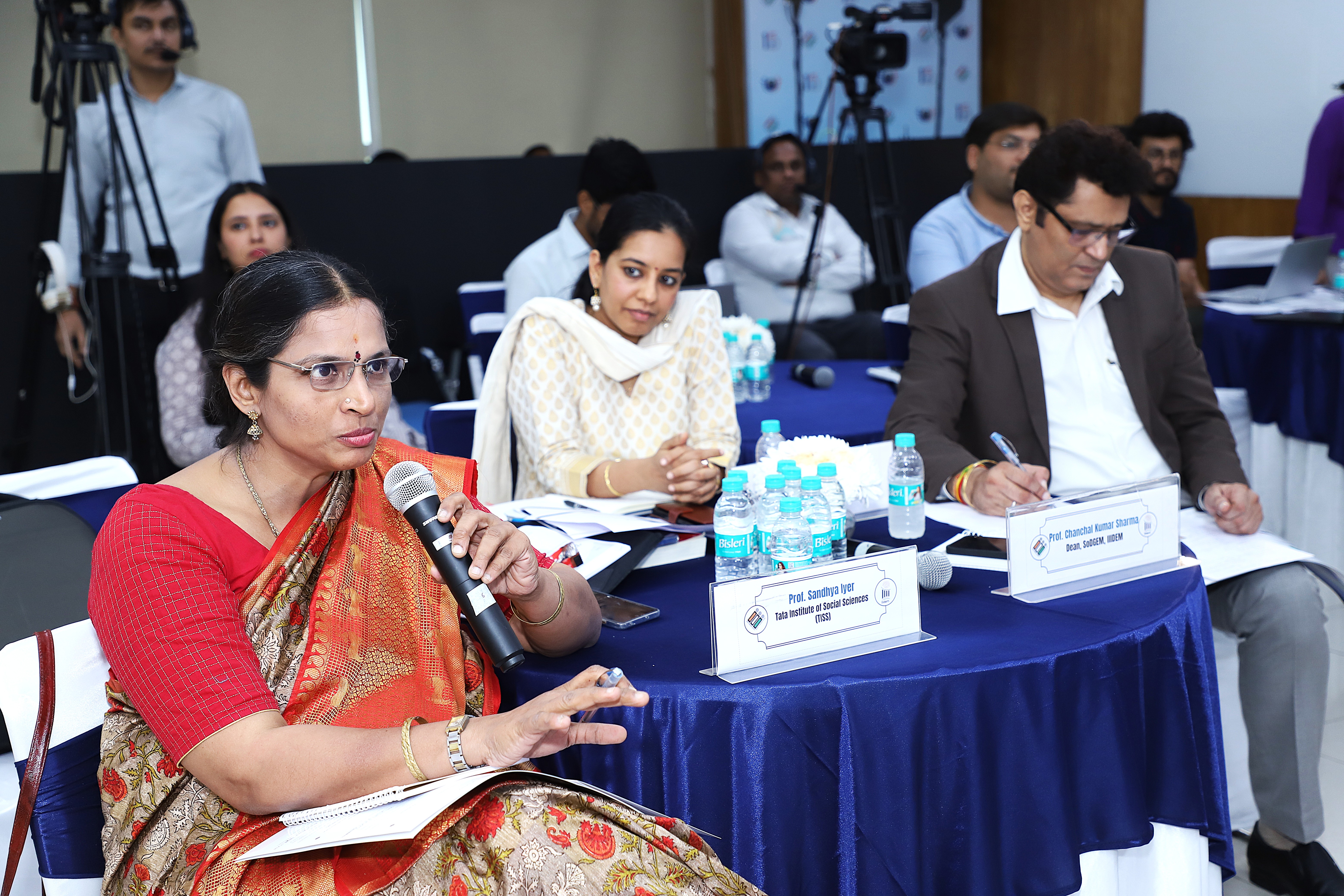
This session examined the reciprocal relationship between democratic values and democratic delivery. The discussion connected values such as participation, representation, rights, and accountability with democratic delivery.
The pathway begins with citizens’ participation. Effective participation influences representatives and helps shape public policies. These policies are then implemented to reach the intended beneficiaries. Finally, evidence of unintended outcomes triggers corrective measures. Failure to address undesirable outcomes can lead to calls for a change through democratic procedures.
Democratic culture makes this process work because formal institutions depend on political actors’ views, beliefs, and orientations. Bhutan’s experience with Gross National Happiness was cited as an example of how ideas of interdependence, civic responsibility, and collective well-being can help shape democratic culture. A community storytelling project on resilience was also cited, illustrating how democratic culture evolves through the interdependence of institutions, public initiatives, and lived experiences. Civic norms and democratic practices were therefore presented as continually shaping one another. As in several other sessions, participants also highlighted the importance of youth engagement because involving young people in public affairs promotes political change and sustains democratic life.
Participation also strengthens accountability. Discussions of decentralized governance highlighted the value of bringing government closer to the people. However, local authorities must have adequate resources to fulfill their responsibilities. When local resources are adequate and yet delivery is below par, citizens demand explanations and hold officials accountable. Evidence from Peru presented in the session showed that voters can reward or punish local leaders based on tangible service delivery outcomes. For example, higher primary school dropout rates were associated with lower chances of mayoral reelection and greater likelihood of recall, while improved waste collection reduced the likelihood of recall. However, this relationship becomes more complex when responsibilities overlap across multiple levels of government or when fiscal structures obscure who is responsible for policy outcomes. These findings suggest that accountability works best when performance is visible and responsibility can be clearly attributed.
Discussions on electoral integrity further emphasized the importance of institutional safeguards, including independent electoral management and judicial oversight. The interaction between election administration, judicial review, and constitutional precedent in India was presented as an example of how institutions can reinforce accountability and democratic resilience over time. Ultimately, independent and accountable institutions are both the means and the objective of democratic resilience.
Session 8. Anticipating Drivers of Change
Key Takeaways
- Demographic change can create a democratic dividend. This can be harnessed by making investments in education and health.
- Youth movements can drive institutional change and democratic renewal when political opportunity structures are open—that is, when government listens to citizens.
- Climate change requires democratic governments to develop environmentally responsible policies based on a clear understanding of their long-term consequences for the environment, vulnerable communities, and future generations.
- AI requires human oversight and responsibility.
- Democracies can identify emerging challenges and adapt before risks escalate into crises.
This session explored the major forces likely to shape democracy by 2050. Across discussions on demographic shifts, migration, youth movements, and climate pressures, speakers stressed that democratic institutions would need to become more adaptive and inclusive to respond effectively to growing uncertainties.
One force repeatedly identified was the impact of demographic change on democratic governance. Discussions highlighted how shifts in population size, age structure, gender dynamics, and migration patterns are likely to become even more significant by 2050. Looking ahead, population growth and aging societies will require new approaches to political participation and accessibility.
One speaker suggested that ensuring access to services and participation for internal and circular migrants will emerge as a key concern.
Youth-led mobilizations were also referenced as a key driver of change. Drawing on recent youth-led mobilizations in several regions, speakers reflected on the challenge of channeling public demands into institutional reform. Similar themes emerged in discussions of Africa, where youth activism, civil society, and social media were identified as possible sources of democratic renewal despite continuing challenges in some countries, such as identity-based politics and entrenched political elites. Several speakers underscored that citizen activism on its own is insufficient, and that political renewal requires responsive institutions that can channel public demands into meaningful change.
Climate change and environmental degradation were identified as additional drivers that will shape democracy in the years ahead. Discussions highlighted the growing impact of climate-related displacement and resource pressures on governance and migration patterns. At the same time, speakers pointed to positive examples of adaptation and innovation, including local disaster risk reduction initiatives, the increasing influence of green political parties, climate litigation, and the recognition of rights for rivers and ecosystems in some countries.
One panelist also proposed expanding candidate disclosure requirements to include optional reporting on actions taken to advance gender equality, human rights, and environmental protection. The proposal reflected a broader argument that democratic accountability—in response to challenges such as climate change—should not be confined to identifying misconduct but should also be used to recognize positive contributions to society. Such disclosure could help inform voters.
The discussions also considered the implications of evolving technologies such as AI, which was framed not simply as a tool but as a new environment in which democratic politics increasingly takes place, requiring greater democratic oversight. Participants raised concerns about AI regulation and the risks and opportunities that technologies may pose for future elections.
The discussions across the two conferences converged on a shared message: democracy in 2050 will be judged not only by the presence of elections and institutions but also by its capacity to deliver inclusion, peace, resilience, and sustainable development in ways that citizens can experience directly. Participants emphasized that democratic renewal depends on broadening participation beyond electoral cycles, removing structural barriers to meaningful inclusion, strengthening accountability at all levels of government, and ensuring that institutions remain transparent, adaptable, and oriented toward public service.
The deliberations at the two conferences reinforced the vision for democracy in 2050 as circulated in the background note:
- Vision for inclusion: A world where no one is left behind, everyone has equitable access to opportunities—from education to employment—and physical and social barriers have been removed.
- Vision for peace: A world where all individuals enjoy security, conflicts are resolved through dialogue, and differences are celebrated rather than feared.
- Vision for resilience: A world in which societies flourish amid uncertainty, and humans and ecosystems thrive and withstand unforeseen events despite climate crises, disasters, and economic shocks.
- Vision for sustainable development: A world where humanity lives in balance with nature, ending poverty and inequality while protecting the planet.
International Conference on Reimagining Democracy for the Future: Democracy in 2050
Context and Background
1. India’s Chairship of the Council of Member States of International IDEA 2026
India currently holds the chairship of the Council of Member States of International IDEA for 2026. India’s chairship has the unique distinction of being led by the Election Commission of India (ECI), which will put unparalleled practical experience and perspective at the center of India’s chairship priorities.
2. About the India International Institute of Democracy and Election Management
The India International Institute of Democracy and Election Management (IIIDEM) was established by the Election Commission of India in 2011 as a global resource center for democracy and election management. The IIIDEM supports India’s chairship as the nodal agency on behalf of the Election Commission of India.
3. Chairship Theme
India’s chairship theme is “Democracy for an inclusive, peaceful, resilient, and sustainable world.” It aligns with the ancient Indian philosophy of Vasudhaiva Kutumbakam, meaning “the world is family,” and with India’s focus on inclusive, resilient, and sustainable development.
India’s chairship seeks to share with the Member States and other stakeholders not only the lessons from the world’s largest and one of its most diverse modern democracies but also the democratic values and principles deeply enshrined in India’s civilizational heritage.
4. India’s Chairship as a Platform for Collective International Stewardship
By combining the ECI’s leadership and the IIIDEM’s convening and professional development capacities with International IDEA’s comparative analysis expertise, the chairship serves as a platform for collective international stewardship and a laboratory for democratic and electoral innovation.
5. Thematic Pillars of India’s Chairship
India’s chairship has two key thematic pillars:
- Reimagining Democracy for the Future; and
- Independent and Professional Electoral Management Bodies for Sustainable Democracy.
6. About the Thematic Priority of “Democracy in 2050”
“Democracy in 2050” is one of the key thematic priorities under the pillar “Reimagining Democracy for the Future.” This priority supports policymakers and institutional leaders in designing democratic systems that are fit for the future—resilient, adaptable, and sustainable in an era of rapid change. It responds to the dominance of short-term political incentives that undermine long-term governance, public trust, and institutional legitimacy.
This priority will engage decision-makers and their advisers in exploring pathways that strengthen the capacity to anticipate, adapt, and deliver. It promotes policy innovation, resilience-oriented governance, and long-term thinking as essential elements of democratic leadership. It will also analyze the impact of artificial intelligence (AI) and the aspirations of the Global South.
7. About the Conference
The IIIDEM is organizing a two-day conference to deliberate on the theme of “Democracy in 2050,” one of the key thematic priorities of India’s chairship. Inspired by the principle of Vasudhaiva Kutumbakam—the world is family—the upcoming international conference seeks to establish a forward-looking platform where policymakers and experts can collectively envision democracy as a driver for a peaceful and resilient future.
The conference will work toward a vision of “Democracy in 2050” that leads to a world where no one is left behind, conflicts are resolved through dialogue, and institutions are sufficiently robust to navigate climate crises and technological disruptions through adaptive governance.
Overview of the Conference
8. Key Deliverables of Democracy
The conference approaches democracy not only as a political or electoral system but also as a governance framework capable of delivering meaningful social, economic, and human development outcomes. The discussions will therefore focus on democracy’s ability to deliver across four interrelated dimensions:
Inclusion | Inclusion in democratic delivery refers to ensuring that all citizens, regardless of background, have equal rights and opportunities to participate in political processes and institutions, specifically ensuring that disadvantaged and marginalized groups can shape the decisions that affect their lives, fostering governance systems that are inclusive, effective, and accountable (Cordenillo and Gardes 2014; Torres 2025). |
|---|---|
Peace | Peace in the sense of democratic delivery refers to a state where democratic processes ensure equitable participation, conflict resolution, and security without violence, fostering sustainable governance for all citizens (Institute for Economics & Peace 2024). It fosters stability through consensus-building and tolerance of diversity. |
Resilience | Resilience refers to the capacity of democratic systems to absorb shocks, adapt, and recover while supporting effective governance, participation, and rights protection (Sisk 2017). |
Sustainable development | Sustainable development in the sense of democratic delivery refers to achieving long-term economic, social, and environmental progress through inclusive, participatory democratic processes that ensure accountable governance, equitable resource distribution, and citizen empowerment (UNDP 2014). |
9. Vision of a Democratic World in 2050
The conference will deliberate on the vision for democratic governance in 2050. Can we aim to envision a democratic world that achieves the following?
Inclusion | A democratic world in 2050 will ensure that no one is left behind, with equitable access to education, health care, employment, technology, and participation in public life, regardless of gender, disability, ethnicity, or socioeconomic background (United Nations 2015; UN DESA 2015). |
|---|---|
Peace | Democracies will promote societies where conflicts are resolved through dialogue, diversity is respected, and institutions uphold human rights, trust, and social cohesion (Council of the European Union 2020; In Defence of Democracy Initiative 2026). |
Resilience | Democratic societies will anticipate and adapt to climate crises, economic shocks, pandemics, and technological disruptions through foresight, adaptive governance, and resilient institutions (UNDP 2026a). |
Sustainable development | A democratic world in 2050 will balance economic growth with environmental protection, ending poverty and inequality while safeguarding ecosystems and future generations (United Nations 2024). |
10. How Does Democracy Deliver?
The conference will also deliberate on various ways in which democracy delivers its key outcomes of inclusion, peace, resilience, and sustainable development:
Inclusion | Political participation and representation, legal and structural protections, civic engagement and empowerment, inclusive service delivery, equal opportunity, empowerment of marginalized groups (International IDEA 2025b; UN DESA 2025). |
|---|---|
Peace | Institutional mechanisms for dispute resolution, mediation and dialogue, accountability and public voice, accommodation of social divisions, norms of peaceful resolution, transparency and international cooperation (UNDP 2025a; OECD 2022). |
Resilience | Adaptive governance and flexibility, accountability and institutional trust, inclusive participation and social cohesion, peaceful conflict resolution, civil society support systems, transparency and information sharing (UNDP 2018; OECD 2024b). |
Sustainable development | Accountability and transparency, inclusive participation, rule of law and rights protection, evidence-based decision-making, long-term planning, sustainable and equitable growth (United Nations 2023; UNDP 2024). |
11. Strategic Assessment of Democracy: A SWOT Analysis
It is important to undertake a strategic assessment of democratic processes, values, and deliverables, which would help achieve the vision of democracy in 2050.
Strengths | Political participation and representation, rule of law, protection of rights and freedoms, peaceful transfer of power, institutional accountability, transparency, civic engagement, inclusive policymaking, resilience through adaptability, social development, shared prosperity, less corruption, stronger welfare outcomes, last-mile delivery, implementation of the Sustainable Development Goals (International IDEA 2025c; OECD 2014). |
|---|---|
Weaknesses | Political uncertainty, short-term policymaking, governance inefficiencies, corruption, elite capture, deinstitutionalization, unequal representation, exclusion of marginalized groups, misinformation, weak implementation capacity, delivery leakage, unsustainability of long-term reforms, uneven delivery of development outcomes (Khemani et al. 2016; Ivanyna and Salerno 2021; Carothers 2019). |
Opportunities | Anticipatory governance, digital innovation for participation and service delivery, youth leadership, civic tech and e-governance, green transitions, climate action, stronger global cooperation, participatory policymaking, evidence-based governance, inclusive economic transformation, international collaboration, democratic innovation, decentralized governance models (OECD 2024a; UNDP 2022; Council of Europe 2023). |
Threats | AI misuse and disinformation, cyber threats, climate crises and disasters, economic inequality, violent conflict, social fragmentation, erosion of trust in information and media, weakening multilateralism, external interference in elections, debt and economic instability (Berk 2025). |
12. Approach to Improvement in Democratic Delivery
There is a need for a holistic approach to improve democratic delivery to achieve the vision of a transformed society. The approach would include:
Amplifying, replicating, and scaling democratic successes | Scale successful democratic delivery models, share global best practices, strengthen institutional learning, replicate inclusive governance innovations, promote peer-to-peer cooperation and knowledge exchange (International IDEA 2025a; UNDP 2026b). |
|---|---|
Designing strategies: addressing gaps in democratic delivery | Address political uncertainty, strengthen public trust, improve institutional accountability, enhance representation and participation, reduce inequality and exclusion, strengthen governance capacity and service delivery (UNDP 2025b; Han 2025). |
Democratic responses to future challenges | Counter misinformation and disinformation, regulate ethical AI use, strengthen climate resilience, address migration and demographic shifts, improve cyber resilience, develop anticipatory and adaptive governance mechanisms (United Nations 2021; UNHCR 2024; Alberti 2025). |
Leveraging new drivers of democratic transformation | Leverage digitalization and civic tech, engage youth leadership and participation, promote innovation and data-driven governance, strengthen global collaboration, encourage participatory policymaking and foresight-driven reforms (Park 2023; UNDP 2023). |
13. Symbiotic Relationship Between Democratic Values and an Inclusive, Peaceful, Resilient, and Sustainable Future
The conference recognizes the symbiotic relationship between democratic values and the ability of democratic systems to foster inclusive, peaceful, resilient, and sustainable societies. Core democratic principles including participation, accountability, transparency, pluralism, representation, rule of law, protection of rights, and responsive governance strengthen institutional legitimacy, public trust, social cohesion, and democratic effectiveness.
The discussions will therefore explore how democratic values can continue to guide governance systems amid rapid societal, technological, environmental, and geopolitical transformation.
14. Drivers of Change Shaping the Democratic Future
The conference will also examine the major drivers likely to shape democratic systems by 2050, including:
- artificial intelligence and digital technologies;
- climate change and environmental issues;
- demographic transformations and youth aspirations;
- migration and social diversity; and
- geopolitical uncertainty and global governance transitions.
These drivers present both opportunities and risks for democratic governance and require anticipatory, adaptive, and future-oriented policy responses.
International Conference on Reimagining Democracy for the Future: Democracy in 2050 (June 2026)
| Session title | Moderator | Speakers |
|---|---|---|
| Reimagining Democracy for the Future: Vision for Democracy in 2050 | Emma Kenny, International IDEA, Stockholm, Sweden | Rakesh Kumar Verma, Director General, IIIDEM, ECI, New Delhi Prof. Ashok Acharya, Delhi University, New Delhi Gram Matenga, International IDEA, Stockholm, Sweden. Jagannath Panda, Stockholm Center for South Asian and Indo-Pacific Affairs, Institute for Security and Development Policy, Stockholm, Sweden Alberto Fernandez Gibaja, International IDEA, Stockholm, Sweden |
| Democracy in 2050: Delivering on Inclusion | Atsuko Hirakawa, International IDEA, Stockholm, Sweden | Chompunut Chalieobun, Westminster Foundation for Democracy, London, United Kingdom Dr. Ipsita Sapra, Tata Institute of Social Sciences, Hyderabad Michael Runey, International IDEA, Stockholm, Sweden Dr. Arvind Kumar Pandey, Indian Institute of Technology Tirupati |
| Democracy in 2050: Delivering on Peace | Dr. Joseph K Lalfakzuala, Government T. Romana College, Aizawl | Prof. Stephane Mechoulan, Dalhousie University, Canada Prof. Amit Prakash, Jawaharlal Nehru University Stephanie Bram, Ministry of Home Affairs, Suriname Dr. Khushboo Srivastava, Senior Consultant, IIIDEM, ECI, New Delhi |
| Democracy in 2050: Delivering on Resilience | Prof. Pahi Saikia, Indian Institute of Technology, Guwahati | Dr. Adem Kassie Abebe, International IDEA, Stockholm, Sweden Elisenda Ballesté Buxó, International IDEA, Stockholm, Sweden Ameer Faaiz, Election Commissioner, Sri Lanka |
| Democracy in 2050: Accelerating Sustainable Development | Prof. Sandhya Seshadri Iyer, Tata Institute of Social Sciences, Mumbai | Dr. Annika Silva-Leander, International IDEA, Stockholm, Sweden Prof. Madhushree Sekher, Tata Institute of Social Sciences, Mumbai Dr. Alexander Hudson, International IDEA, Stockholm, Sweden Prof. Stephane Mechoulan, Dalhousie University, Canada |
| Strategic Assessment of Democracy: A SWOT Analysis | Prof. Chanchal Kumar Sharma, Dean, School of Democracy and Electoral Management, IIIDEM, ECI, New Delhi | Prof. Rajesh Kharat, School of International Studies, Jawaharlal Nehru University Prof. Ashutosh Kumar, Panjab University Dr. Shweta Singh, South Asian University Dr. Niranjan Sahoo, Observer Research Foundation, New Delhi |
| Strengthening the Symbiotic Relationship between Democratic Values and Envisaged Vision of Democracy in 2050 | Dr. Khushboo Srivastava, Senior Consultant, IIIDEM, ECI, New Delhi | Prof. Wilfried Swenden, University of Edinburgh, United Kingdom Prof. Chanchal Kumar Sharma, Dean, School of Democracy and Electoral Management, IIIDEM, ECI, New Delhi Siok Sian Pek Dorji, Bhutan Center for Media and Democracy, Thimphu, Bhutan Prof. Sanjay Kumar Pandey, School of International Studies, Jawaharlal Nehru University, New Delhi |
| Anticipating Drivers of Change | Mr. Michael Runey, Adviser, International IDEA, Stockholm, Sweden | Prof. Ram Bhagat, Institute for Human Development Emma Kenny, International IDEA, Stockholm, Sweden Prof. Nandan Nawan, Jawaharlal Nehru University, New Delhi Leena Rikkilä Tamang, International IDEA, Stockholm, Sweden |
International Conference on Reimagining Democracy for the Future: Democracy in 2050 (July 2026)
| Session title | Moderator | Speakers |
|---|---|---|
| Reimagining Democracy for the Future: Vision for Democracy in 2050 | Dr. Kritika Mathur, Assistant Professor, School of Democracy and Electoral Management, IIIDEM, ECI, New Delhi | Rakesh Kumar Verma, Director General, IIIDEM, ECI, New Delhi |
| Democracy in 2050: Delivering on Inclusion | Prof. Rahul Tripathi, Goa University, Goa | Prof. Chandrachur Singh, Delhi University, New Delhi Dr. Amna Mirza, Delhi University, New Delhi Prof. Anupama Roy, Jawaharlal Nehru University, New Delhi |
| Democracy in 2050: Delivering on Peace | Dr. Alexander Hudson, Senior Adviser, International IDEA, Stockholm, Sweden | Katarzyna Gardapkhadze, International IDEA, Stockholm, Sweden Dr. Amrita Saikia, Woxsen University, Hyderabad |
| Democracy in 2050: Delivering on Resilience | Dr. Dipakshi Das, Assistant Professor, National Law University, Guwahati, Assam | Prof. Sanjeev HM, Delhi University Zaid Al-Ali, International IDEA, Stockholm, Sweden |
| Anticipating Drivers of Change | Guncha Batra Aneja, Under Secretary, IIIDEM, ECI, New Delhi | Prof. Ram Bhagat, Institute for Human Development, New Delhi Siddharth Rathore, Delhi University, New Delhi Prof. William Gumede, University of the Witwatersrand, South Africa |
| Democracy in 2050: Accelerating Sustainable Development | Irene Postigo Sánchez, Associate Program Officer, International IDEA, Stockholm, Sweden | Isabelle Tschan Harada, United Nations Development Programme, India Prof. Sandhya Seshadri Iyer, Tata Institute of Social Sciences, Mumbai Dr. Bibhu Prasad Nayak, Associate Professor and Chairperson, Tata Institute of Social Sciences, Hyderabad |
| Strategic Assessment of Democracy: A SWOT Analysis | Prof. Pahi Saikia, Indian Institute of Technology, Guwahati, Assam | Prof. Ashutosh Kumar, Panjab University, Chandigarh Dr. Shweta Singh, South Asian University, New Delhi Roukaya Kasenally, International IDEA, Stockholm, Sweden |
| Strengthening the Symbiotic Relationship between Democratic Values and Envisaged Vision of Democracy in 2050 | Emily Bloom, Associate Program Officer, International IDEA, Stockholm, Sweden | Prof. Chanchal Kumar Sharma, Dean, School of Democracy and Electoral Management, IIIDEM, ECI, New Delhi Prof. Charles R. Hankla, Georgia State University, Atlanta, United States Dr. Chandrika, School of Electoral Law, IIIDEM, ECI, New Delhi |
Abbreviations
| AI | Artificial intelligence |
|---|---|
| ECI | Election Commission of India |
| IIIDEM | India International Institute of Democracy and Election Management |
Alberti, Adriana. 2025. Why Is Anticipatory Governance and Changing Mindsets Key to Addressing Current and Future Challenges? United Nations Department of Economic and Social Affairs. https://publicadministration.desa.un.org/sites/default/files/Why%20is%20Anticipatory%20Governance%20and%20Changing%20Mindsets%20Key%20to%20Addressing%20Current%20and%20Future%20Challenges.pdf.
Berk, Michael. 2025. Designing for Resilience: Building Institutions to Safeguard Information Ecosystems. International IDEA. https://doi.org/10.31752/idea.2025.91.
Carothers, Thomas. 2019. “Is Democracy the Problem?” Carnegie Endowment for International Peace, 16 January. https://carnegieendowment.org/posts/2019/01/is-democracy-the-problem?lang=en.
Cordenillo, Raul, and Karin Gardes, eds. 2014. Inclusive Political Participation and Representation: The Role of Regional Organizations. International IDEA. https://www.idea.int/publications/catalogue/inclusive-political-participation-and-representation-role-regional.
Council of Europe, European Committee on Democracy and Governance. 2023. Report on Green Public Administration. CDDG (2023)13, 1 December. https://rm.coe.int/report-on-green-public-administration-final-2784-4437-5304-v-1/1680ad9262.
Council of the European Union. 2020. EU Action Plan on Human Rights and Democracy 2020–2024: Council Conclusions. 12848/20, 18 November. https://www.consilium.europa.eu/media/46838/st12848-en20.pdf.
Han, Sumi. 2025. Leaving No One Behind (LNOB): A Pathway That Delivers. United Nations Department of Economic and Social Affairs, Future of the World Policy Brief No. 182. https://desapublications.un.org/file/21425/download.
In Defence of Democracy Initiative. 2026. “Fourth Meeting of the Initiative ‘In Defence of Democracy.’” 18 April. https://www.unesco.org/sites/default/files/medias/fichiers/2026/04/180426-declaracion-defensa-democracia-ingles.pdf.
Institute for Economics & Peace. 2024. Global Peace Index 2024: Measuring Peace in a Complex World.
International IDEA. 2025a. Annual Learning Report 2025: Three Years of Systematic Learning from Practice. https://www.idea.int/sites/default/files/reference_docs/International-IDEA-Final-Annual-Learning-Report-2025.pdf.
International IDEA. 2025b. Democracy in Practice: The Annual Outcome Report 2025. https://www.idea.int/sites/default/files/reference_docs/International-IDEA-annual-outcome-report-2025.pdf.
International IDEA. 2025c. The Global State of Democracy 2025: Democracy on the Move. https://doi.org/10.31752/idea.2025.53.
Ivanyna, Maksym, and Andrea Salerno. 2021. Governance for Inclusive Growth. IMF Working Paper No. 2021/098. International Monetary Fund. https://doi.org/10.5089/9781513582467.001.
Khemani, Stuti, Ernesto Dal Bó, Claudio Ferraz, et al. 2016. Making Politics Work for Development: Harnessing Transparency and Citizen Engagement. World Bank Group. https://documents.worldbank.org/en/publication/documents-reports/documentdetail/268021467831470443.
OECD (Organisation for Economic Co-operation and Development). 2014. Accountability and Democratic Governance: Orientations and Principles for Development. DAC Guidelines and Reference Series. https://www.oecd.org/content/dam/oecd/en/publications/reports/2014/09/accountability-and-democratic-governance_g1g220a4/9789264183636-en.pdf.
OECD (Organisation for Economic Co-operation and Development). 2022. Building Trust and Reinforcing Democracy: Preparing the Ground for Government Action. OECD Public Governance Reviews. https://www.oecd.org/en/publications/2022/11/building-trust-and-reinforcing-democracy_675763bc.html.
OECD (Organisation for Economic Co-operation and Development). 2024a. 2024 Global Forum on Building Trust and Reinforcing Democracy. Key Issues Paper. https://www.oecd.org/content/dam/oecd/en/about/programmes/reinforcing-democracy-initiative/2024-OECD-Global-Forum-Key-Issues-Paper.pdf.
OECD (Organisation for Economic Co-operation and Development). 2024b. The OECD Reinforcing Democracy Initiative: Monitoring Report – Assessing Progress and Charting the Way Forward. OECD Public Governance Reviews. https://www.oecd.org/content/dam/oecd/en/publications/reports/2024/10/the-oecd-reinforcing-democracy-initiative_458501ab/9543bcfb-en.pdf.
Park, Mi Kyoung. 2023. Promoting Youth Participation in Decision-Making and Public Service Delivery Through Harnessing Digital Technologies. United Nations Department of Economic and Social Affairs, Future of the World Policy Brief No. 149. https://desapublications.un.org/file/18446/download.
Sisk, Timothy D. 2017. Democracy and Resilience: Conceptual Approaches and Considerations. Background Paper. International IDEA. https://www.idea.int/gsod-2017/files/IDEA-GSOD-2017-BACKGROUND-PAPER-RESILIENCE.pdf.
Torres, Diana. 2025. “Democracy in Practice: Pathways to Inclusive and Sustainable Development in Asia-Pacific.” United Nations Development Programme, UNDP Asia-Pacific Blog, 15 September. https://www.undp.org/asia-pacific/blog/democracy-practice-pathways-inclusive-and-sustainable-development-asia-pacific.
UN DESA (United Nations Department of Economic and Social Affairs). 2015. “Disabilities and Development: No-One Left Behind.” 13 November. https://www.un.org/development/desa/en/news/social/no-one-left-behind.html.
UN DESA (United Nations Department of Economic and Social Affairs). 2025. Promoting Social Inclusion: What’s the Scorecard? World Social Report 2025. https://social.desa.un.org/sites/default/files/inline-files/WSR25%20-%20Social%20Inclusion%20-%20final%20-%20formatted.pdf.
UNDP (United Nations Development Programme). 2014. Governance for Sustainable Development: Integrating Governance in the Post-2015 Development Framework. Discussion Paper. https://www.undp.org/sites/g/files/zskgke326/files/publications/Discussion-Paper--Governance-for-Sustainable-Development.pdf.
UNDP (United Nations Development Programme). 2018. Forging Resilient Social Contracts: A Pathway to Preventing Violent Conflict and Sustaining Peace. https://www.undp.org/sites/g/files/zskgke326/files/publications/UNDP-FES-NewSchool_Forging_Resilient_Social_Contracts.pdf.
UNDP (United Nations Development Programme). 2022. Country Programme Document for the Kingdom of Morocco (2023–2027). DP/DCP/MAR/4, 30 November. https://www.undp.org/sites/g/files/zskgke326/files/2022-12/dpdcpmar4_final.docx.
UNDP (United Nations Development Programme). 2023. A Shared Vision for Technology and Governance. https://www.undp.org/sites/g/files/zskgke326/files/2023-09/undp-a-shared-vision-for-technology-and-governance.pdf.
UNDP (United Nations Development Programme). 2024. Results and Impact Report 2024. https://www.undp.org/sites/g/files/zskgke326/files/2025-07/results_and_impact_report_2024.pdf.
UNDP (United Nations Development Programme). 2025a. Operational Guideline for the Inter-Party Dialogue Committee of Sierra Leone. https://www.undp.org/sites/g/files/zskgke326/files/2025-06/pprc_ipdc_operational_guideline_adopted_in_2025_2.pdf.
UNDP (United Nations Development Programme). 2025b. UNDP Strategic Plan, 2026–2029. DP/2025/22, 27 June. https://www.undp.org/sites/g/files/zskgke326/files/2025-07/dp-2025-22_undp-strategic-plan-2026-2029.pdf.
UNDP (United Nations Development Programme). 2026a. Governing Through Change in Asia and the Pacific: The Need for Dynamic Governance Capabilities. Policy Brief. https://www.undp.org/sites/g/files/zskgke326/files/2026-02/policy_brief-governing_through_change_in_asia_and_the_pacific.pdf.
UNDP (United Nations Development Programme). 2026b. Transforming Urban Futures in Asia-Pacific: A Governance Strategy for Sustainable, Equitable, and Resilient Cities. https://www.undp.org/sites/g/files/zskgke326/files/2026-04/transforming_urban_futures_in_asia-pacific-a_governance_strategy_for_sustainable_equitable_and_resilient_cities.pdf.
UNHCR (United Nations High Commissioner for Refugees). 2024. “Information Integrity Sector Mapping.” UNHCR Information Integrity Toolkit, 23 December. https://www.unhcr.org/handbooks/informationintegrity/external-engagement/information-integrity-sector-mapping.
United Nations. 2015. Transforming Our World: The 2030 Agenda for Sustainable Development. A/RES/70/1, 25 September. https://sdgs.un.org/2030agenda.
United Nations. 2021. Countering Disinformation for the Promotion and Protection of Human Rights and Fundamental Freedoms. Resolution A/RES/76/227. 24 December. https://docs.un.org/en/A/RES/76/227.
United Nations. 2023. The Sustainable Development Goals Report 2023: Special Edition. https://unstats.un.org/sdgs/report/2023/.
United Nations. 2024. Declaration on Future Generations. Annex II to the Pact for the Future. A/RES/79/1, 22 September. https://www.un.org/pact-for-the-future/en/annex-ii-declaration-future-generations.
About the India International Institute of Democracy and Electoral Management (IIIDEM)
The India International Institute of Democracy and Election Management (IIIDEM) was established by the Election Commission of India on 17 June 2011 as a global institute in the field of democracy and election management.
IIIDEM draws on the Commission’s experience of conducting elections for the world’s largest and most diverse electorate. At IIIDEM, election practitioners work with academics to develop and disseminate knowledge on democracy and election management. The Institute strengthens democratic systems and electoral management bodies (EMBs) through three complementary areas of work: training and capacity building, research and knowledge development, and promotion and advocacy.
From its campus in New Delhi, IIIDEM trains India’s election workforce and, through global programs, officials of partner EMBs from every region of the world. IIIDEM’s work includes research, global dialogues, bilateral and multilateral engagements, and knowledge products such as global model strategies and standards for democracy and election management. In line with India’s
philosophy of Vasudhaiva Kutumbakam (the world as one family), IIIDEM seeks to advance professional excellence in election management and to promote democracy as a foundation for an inclusive, peaceful, resilient, and sustainable
world.


© 2026 International Institute for Democracy and Electoral Assistance
International IDEA publications are independent of specific national or political interests. Views expressed in this publication do not necessarily represent the views of International IDEA, its Board, or its Council members. International IDEA’s participation in this publication does not constitute endorsement by the Institute or its staff of the views, assessments, or recommendations presented,
or of any national policies or practices described.
This event report was prepared by IIIDEM and reviewed by International IDEA. IIIDEM retains responsibility for its content, which synthesizes the views expressed by the speakers. These views do not necessarily reflect the official positions of IIIDEM or the Election Commission of India. The report builds the evidence base for democratic delivery, advances the Chairship pillar ‘Reimagining Democracy for the Future’, and supports institutional capacity-building in times of rapid change.
This publication forms part of a series examining training and professional development in electoral administration, the findings of which contribute collectively to a broader evidence base on the subject.
With the exception of any third-party images and photos, the electronic version of this publication is available under a Creative Commons Attribution-NonCommercial-ShareAlike 4.0 (CC BY-NC-SA 4.0) licence. You are free to copy, distribute and transmit the publication as well as to remix and adapt it,
provided it is only for non-commercial purposes, that you appropriately attribute the publication, and that
you distribute it under an identical licence. For more information visit the Creative Commons website:
http://creativecommons.org/licenses/by-nc-sa/4.0.
International IDEA
Strömsborg
SE–103 34 Stockholm
SWEDEN
Tel: +46 8 698 37 00
Email: info@idea.int
Website: https://www.idea.int
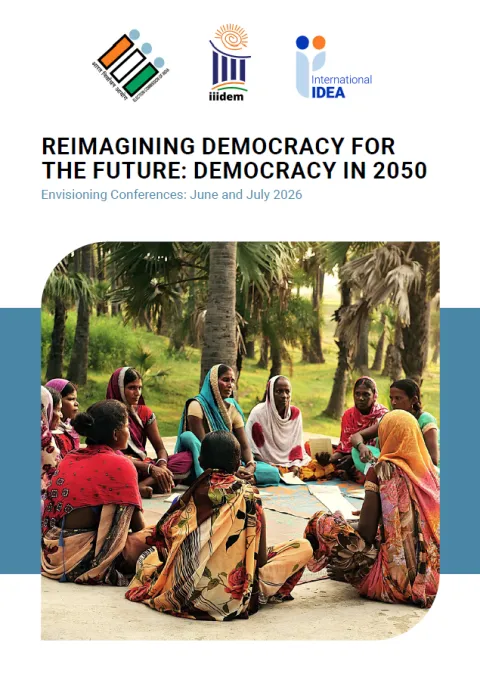
Cover illustration: Women from a village in Gaya (a district in the state of Bihar, India) are seen sitting in a circle, attending a community meeting. Such community meetings are often organized as part of a livelihood initiative called Jeevika under the Bihar Rural Livelihood Promotion Society.
Image credit: UN Women Asia and the Pacific, flickr.
Design and layout: International IDEA
Copyeditor: International IDEA and Curtis Budden
DOI: https://doi.org/10.31752/56411
ISBN: 978-91-8137-238-0 (PDF)
ISBN: 978-91-8137-238-0 (HTML)


