Strengthening the capacities of the electoral ecosystem in Guatemala to promote electoral integrity and democracy
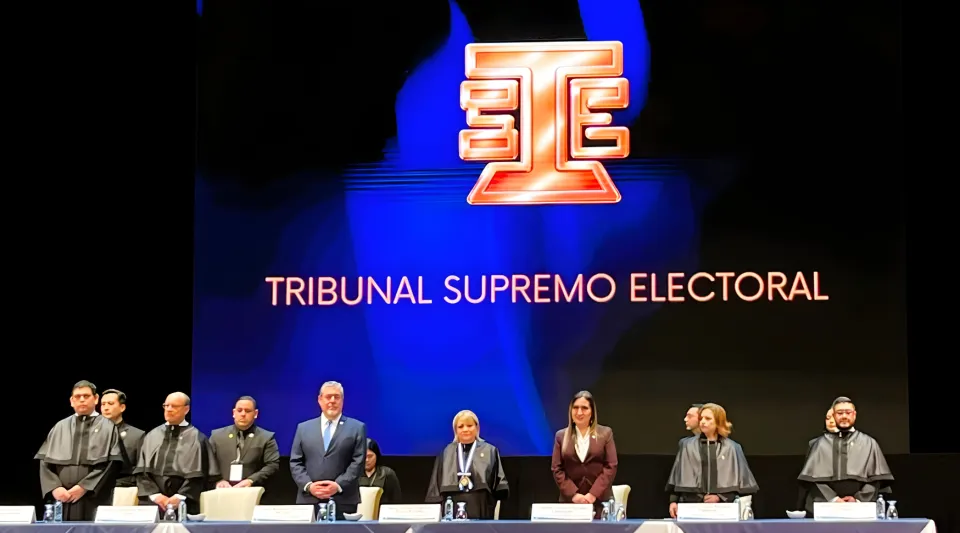
The initiative is implemented in a context marked by significant democratic challenges. Despite the progress made since the signing of the Peace Accords in 1996, the country continues to face structural weaknesses in its institutions, low levels of trust in the electoral system, and a political environment characterized by polarization, disinformation, and conflict. The 2023 elections revealed these tensions, highlighting the system’s vulnerability to institutional disputes and risks of democratic backsliding.
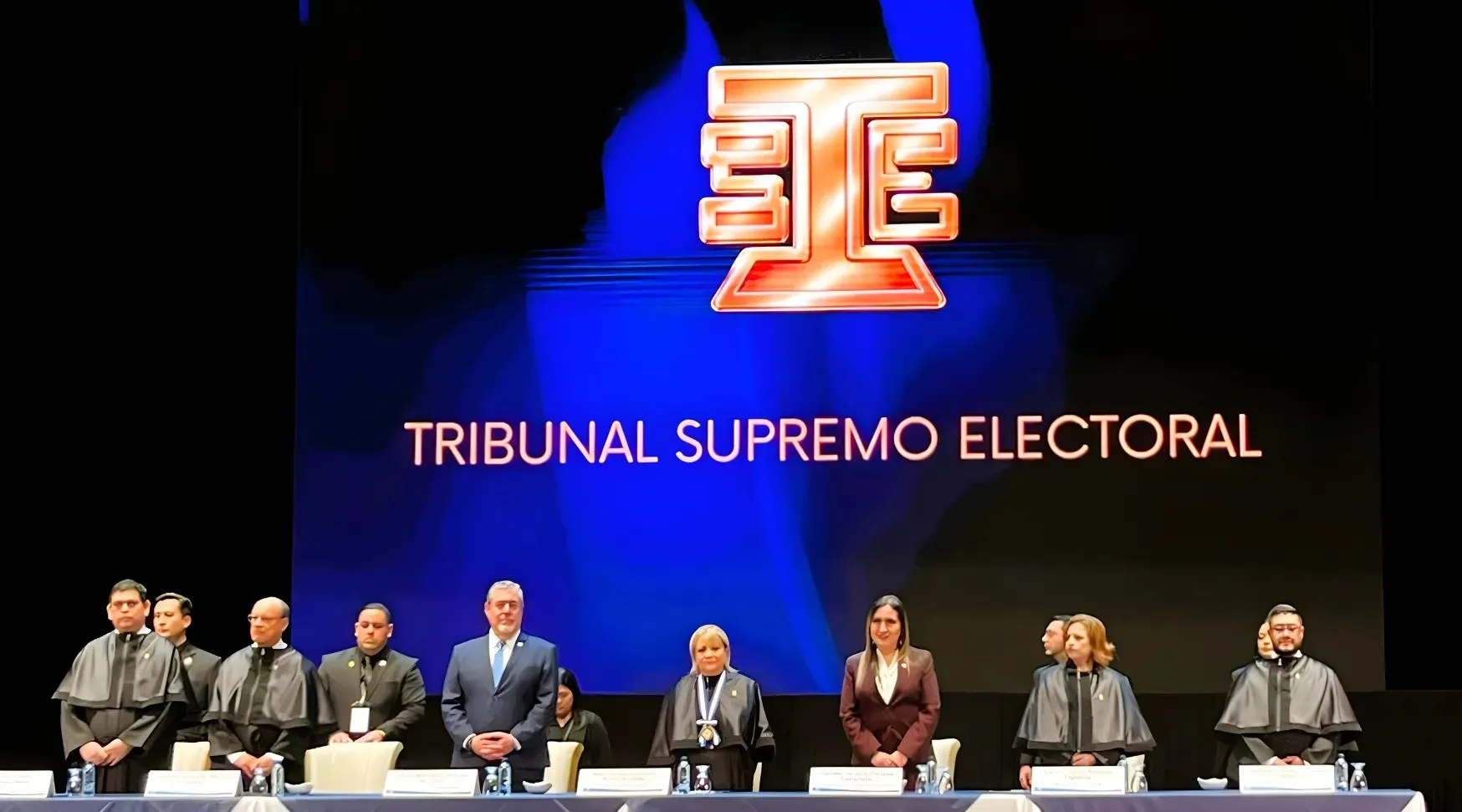
In this scenario, the project seeks to strengthen the electoral ecosystem through three main lines of action: developing the capacities of the Supreme Electoral Tribunal and key actors to improve the integrity of the process and public trust; strengthening civil society and the media in election observation, fact-checking, and the promotion of participation—with an emphasis on youth, women, and Indigenous populations; and promoting multi-stakeholder dialogue spaces aimed at advancing political and electoral reforms that foster sustainable democratic governance.
The project engages key stakeholders such as the Supreme Electoral Tribunal, civil society organizations, media outlets, women political leaders, women’s organizations, voters, and the international community, with a particular emphasis on including historically marginalized groups to ensure more equitable participation.
Expected outcomes include strengthened institutional capacities of the Supreme Electoral Tribunal, enhanced skills among civil society and media for electoral monitoring, improved quality of information available to citizens, and the implementation of protection mechanisms for democratic actors, including the prevention of gender-based political violence in digital environments. It also seeks to promote the development of agreements and reform proposals that contribute to strengthening the political and electoral system.
To this end, the project includes activities such as specialized training, support for citizen observation networks, information campaigns, the production of content in Indigenous languages, digital literacy initiatives, and protection mechanisms for at-risk actors. It also envisages the creation of dialogue spaces, workshops, and conferences to facilitate exchange among political, social, and institutional actors, particularly in the post-electoral period.
The initiative incorporates cross-cutting approaches on gender equality, inclusion, human rights, and conflict sensitivity, and adopts an electoral cycle approach that covers the pre-election, election, and post-election phases to ensure sustained impact. Overall, the project promotes a comprehensive approach based on coordination and dialogue among multiple actors, contributing to strengthening electoral integrity, public trust, and the country’s democratic development.
Key contacts
Details
| Donors | |
|---|---|
| Funding / Award amount | 1.000.000 EUR |
| Project duration | April 2026 - October 2028 |
Resources