The sophisticated methods applied by state and non-state actors in disseminating false or misleading information have made national information ecosystems increasingly contested. The unprecedented pace at which emerging technologies, including generative AI tools, are developing not only replicates but also amplifies the ease with which actors can infiltrate information systems. This effectively affects domestic stability and governance.
To mitigate the potential repercussions of these misleading narratives, states have implemented protective measures, including limiting harmful content, sanctioning malicious entities, and designing regulatory frameworks for social media outlets. Despite these efforts, threats to national information ecosystems persist, and governments have identified gaps in governance institutions and society. Responses have been uneven and fragmented, underscoring the need to enhance domestic resilience and address the systemic vulnerabilities that facilitate the spread of misinformation.
International IDEA’s newly launched report, Designing for Resilience: Building Institutions to Safeguard Information Ecosystems, explores key elements to help decision-makers and policymakers improve existing institutional frameworks. The report argues that there is no "off-the-shelf" model and that different contexts necessitate different approaches. However, building sustainable societal resilience requires a whole-of-society approach that supports shared democratic values and objectives and strengthens social cohesion.
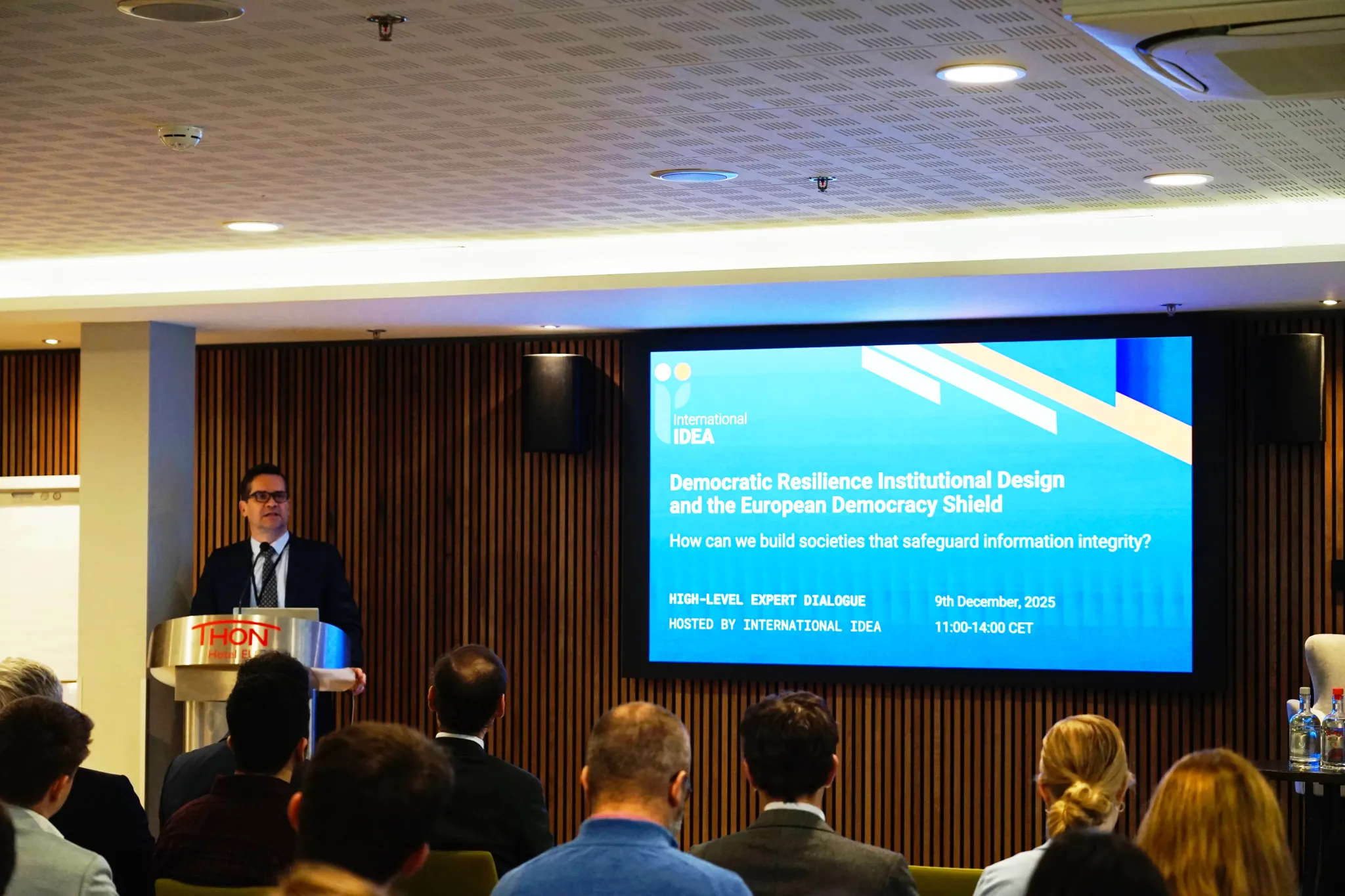
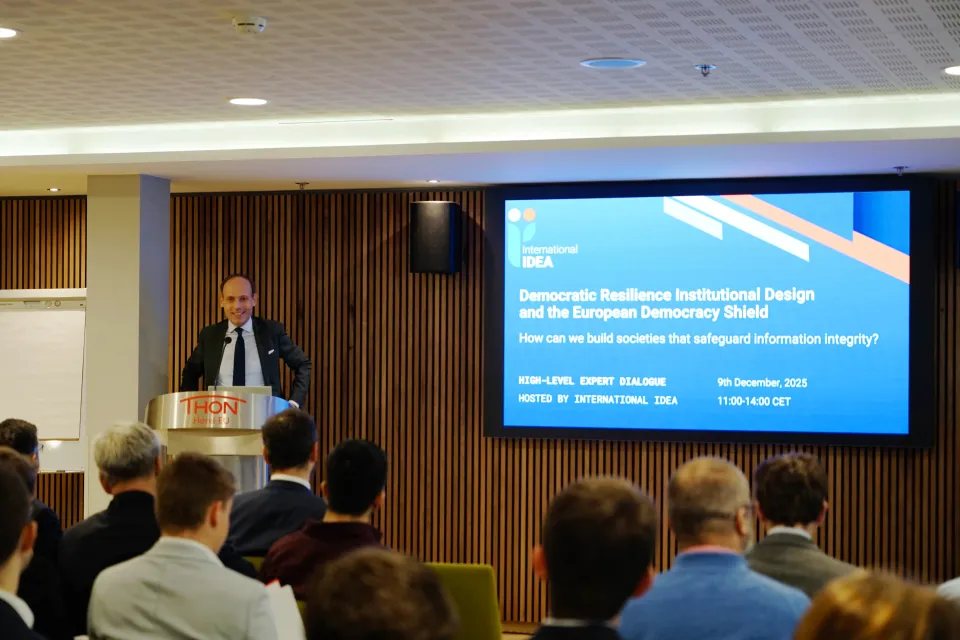
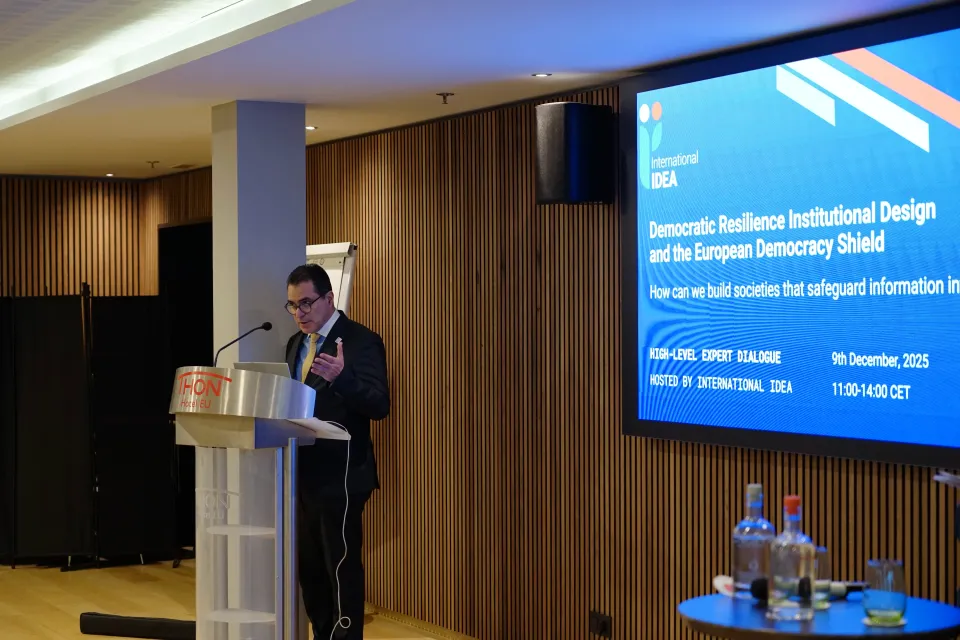
In line with the recent launch of the European Democracy Shield (EDS), International IDEA hosted a High-Level Dialogue on building resilience by institutional design in Brussels. The EDS introduces a new concept for countering foreign information manipulation and interference (FIMI) and safeguarding democratic institutions. The three primary objectives of the EDS are: (1) bolstering situational awareness and capacity, (2) strengthening democratic institutions and its processes, and (3) enhancing societal resilience by upholding a whole-of-society approach.
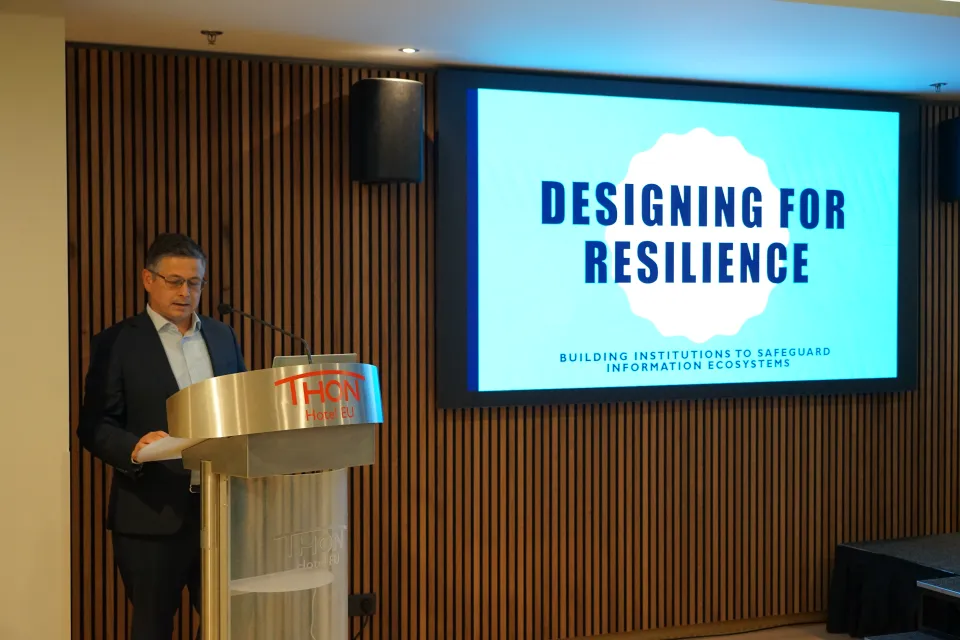
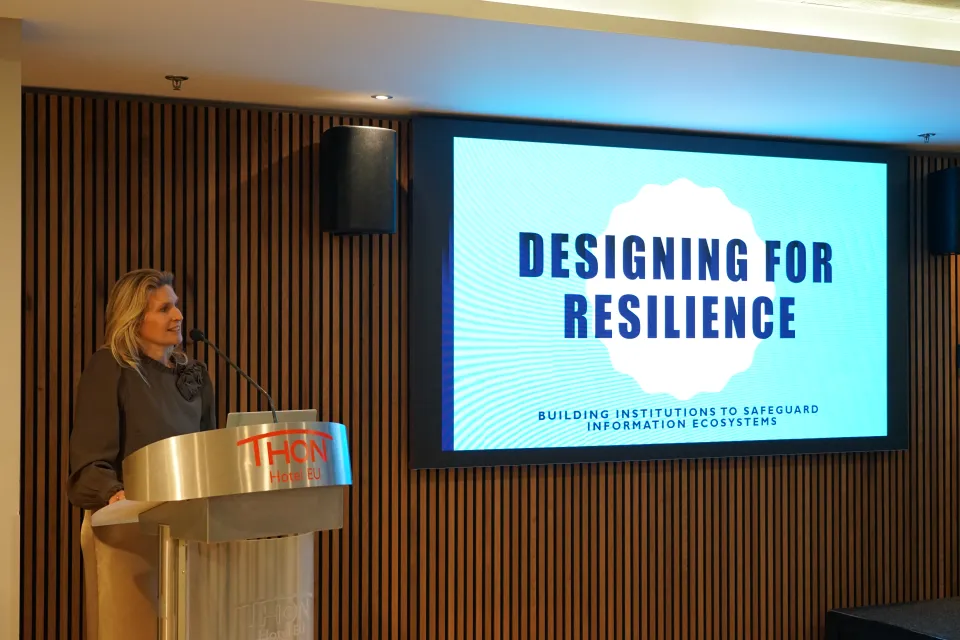
The event gathered representatives from EU institutions, and civil society to discuss the ways through which democracies can boost institutional resilience when faced with FIMI. The event started with insightful opening remarks, delivered by:
- Mika Aaltola, Member of the European Parliament
The high-level-dialogue explored potential building blocks for the European Centre for Democratic Resilience, as one of the primary components of the EDS, to consider in its institutional design. The following speakers participated in the Expert Roundtable:
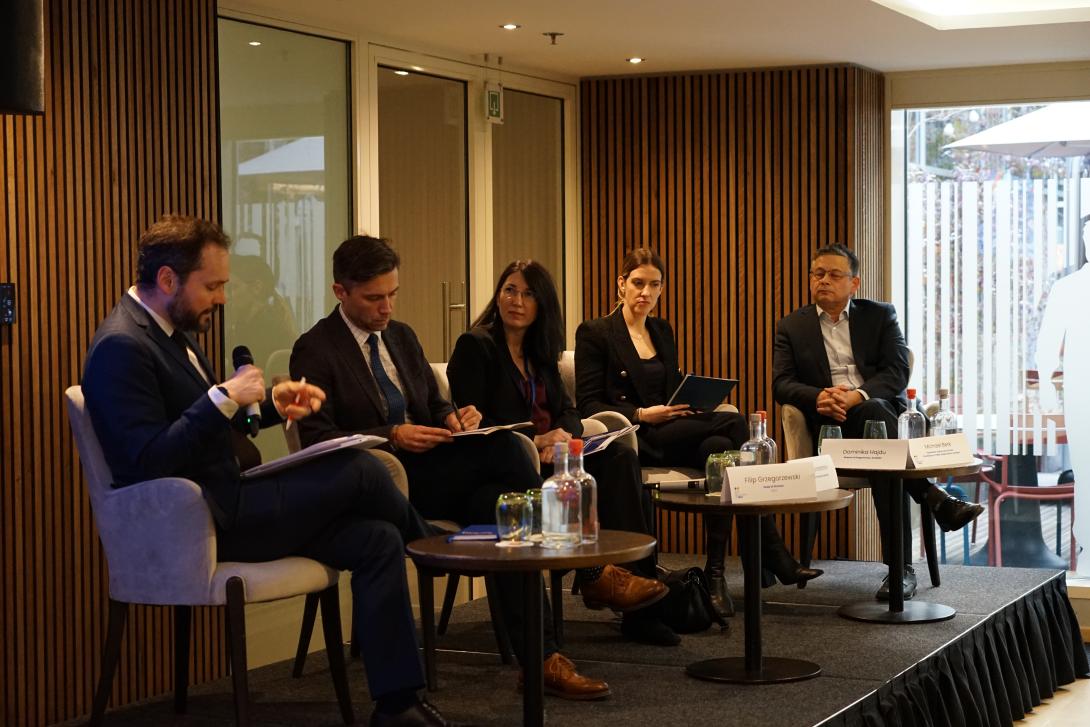
- Filip Grzegorzewski, Head of Division, EEAS
- Simona Constantin, Member of Cabinet, Commissioner McGrath
- Dominika Hajdu, Director of Programmes, GLOBSEC
- Michael Berk, Publication Author, Former Coordinator G7 RRM, Global Affairs Canada
Overall, the event created an opportunity for a rich and timely exchange. Participants emphasized the urgent need to develop democratic resilience systems grounded in shared standards across institutions, highlighting the importance of establishing new institutional design frameworks that uphold democratic values through inclusive, multistakeholder information exchange.
Discussions also pointed to the necessity of shifting from a reactive posture to a more proactive approach, one that enables the EU to withstand continuous pressure on its information environment. A key element of this shift involved strengthening offensive mechanisms, including the potential criminalization of FIMI activities conducted by European actors with direct financial ties to malign foreign funding. In essence, participants stressed the importance of enforcing existing legislation to protect democratic processes.
At the same time, the conversation underscored the ongoing need to build more resilient institutions, grounded in core principles such as independence, pluralism, transparency, and inclusivity. Participants highlighted the importance of cooperation mechanisms that bring together diverse stakeholders to establish shared principles and identify common vulnerabilities. However, to gain a clearer and more complete picture of FIMI, they noted the need for sharper, more robust analytical capacities. This was emphasized as essential to maintaining an up-to-date understanding of the actors actively involved in FIMI, both foreign and domestic, in order to proactively and effectively identify those who may seek to manipulate information.
The EDS was widely viewed as a promising framework capable of guiding the efforts of various actors across the EU. Thanks to the valuable insights exchanged during the event, we leave with a deeper understanding of what the EDS aims to achieve, as well as a renewed appreciation for the collective recognition among EU Member States of the need to address foreign information manipulation and interference.
Photos from the Event


About the authors


Laura Osterrieth is an intern with International IDEA's Digitalization and Democracy Programme over the autumn and winter period of 2025-2026. She is currently pursuing a Master's degree in Peace and Conflict Studies at Uppsala University. Prior to her time at IDEA, she has interned with the Permanent Representation of Belgium to the United Nations in New York, where she focused on the First Committee on Disarmament and International Security as well as topics related to cybersecurity and AI. She has also completed an internship at the OSCE in Vienna, supporting the Belgian presidency of the Council of the European Union.