Putting Democracy on the Multilateral Agenda: International IDEA at UNGA81
Peace and security, sustainable development and human rights, the three pillars of the United Nations, all depend on institutions that are accountable, inclusive and able to deliver for people. At the same time, many of the forces putting democracy under pressure today do not stop at national borders.
From foreign interference and illicit finance to artificial intelligence and the growing power of digital platforms, national responses alone are not enough. Protecting democracy increasingly requires international cooperation, while effective multilateralism itself depends on legitimacy, trust and democratic foundations.
That connection between democracy and multilateralism shaped a busy week for International IDEA in New York. International IDEA Secretary-General Kevin Casas-Zamora met with leaders throughout the high-level week, including representatives of International IDEA Member States, to strengthen partnerships and keep multilateralism, democracy and the challenges facing both at the top of the global agenda. Across its events and meetings, International IDEA brought together governments, former heads of state and government, UN representatives, civil society and philanthropy.
From shared diagnosis to action
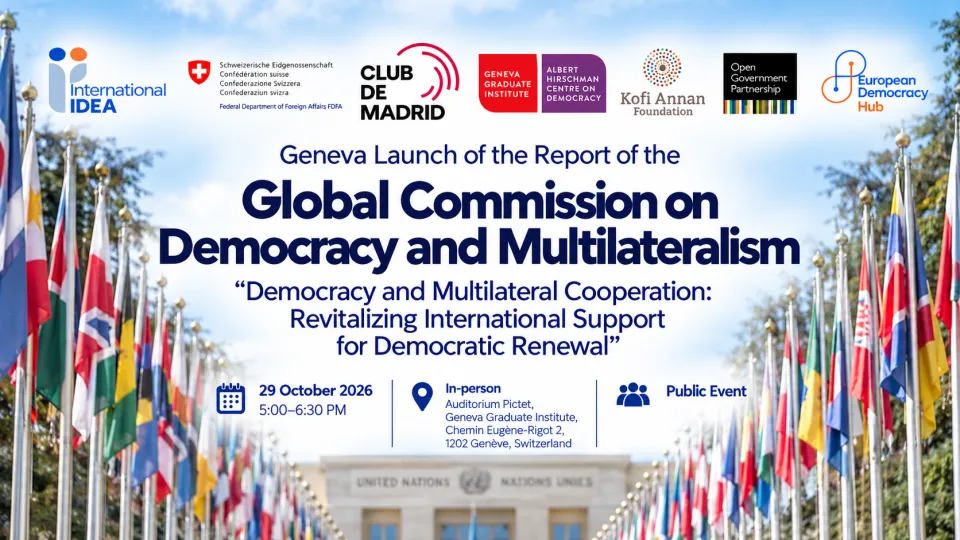
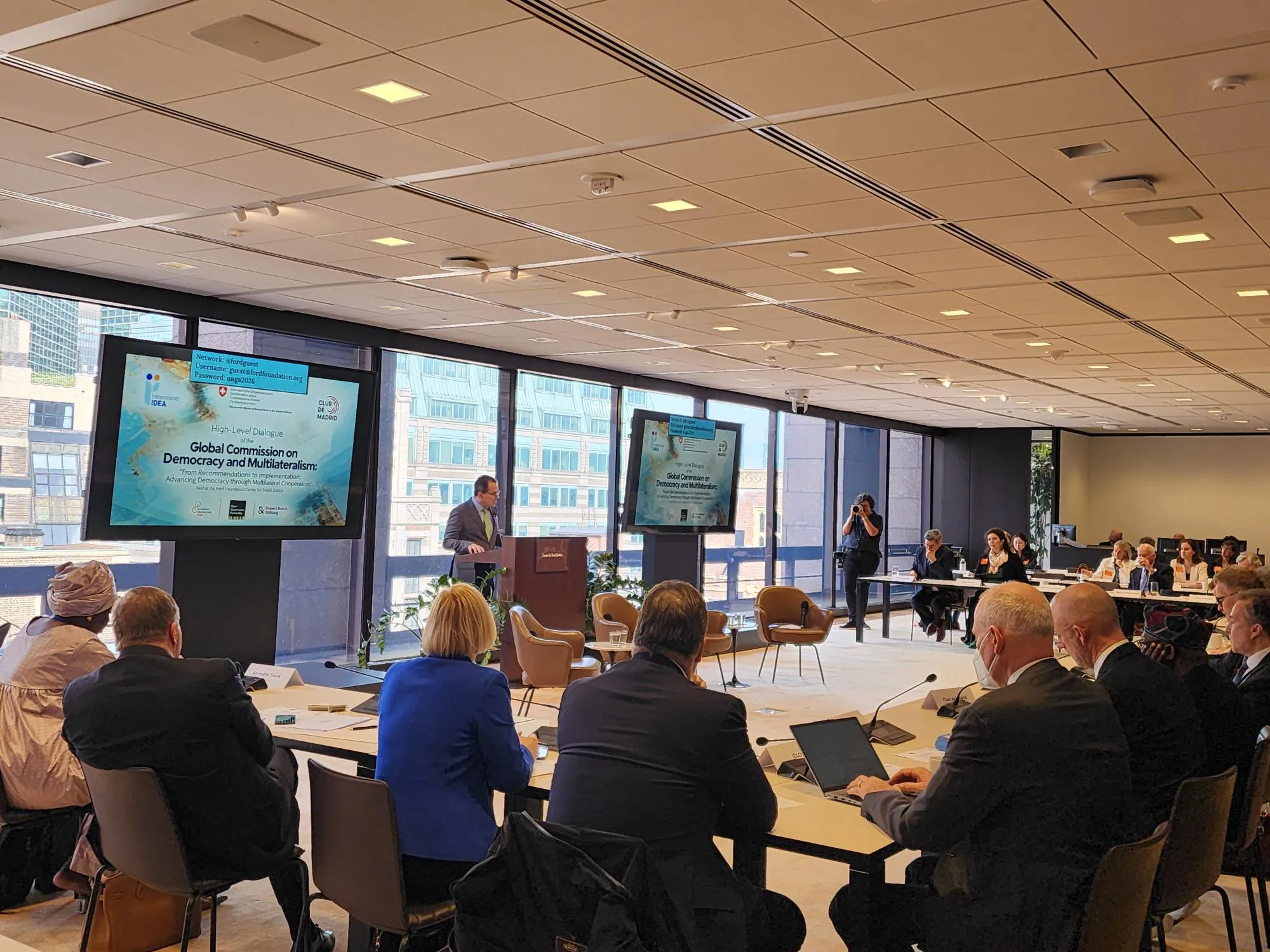
At the centre of the week was a High-Level Dialogue on Multilateralism and Democracy, organized by International IDEA and Club de Madrid, marking the launch of the Global Commission on Democracy and Multilateralism report.
The dialogue brought together former heads of state and government, UN Member States, UN representatives and civil society around a central challenge: how to move from diagnosing the pressures facing democracy and multilateralism to identifying what implementation and collective action can look like.
George Papandreou, Kevin Casas-Zamora, Gordon Brown, Aminata Touré, Stefan Löfven, Martin Abregu and Aidan Eyakuze were among those contributing to the discussion, with Laura Chinchilla closing the dialogue. Support for the agenda was also heard from UN Member States and partners, including Norway, Hungary, the Netherlands, Sweden and the United Kingdom, as well as OHCHR and the European External Action Service.
The discussion highlighted several priorities. Democracies need to deliver socially and economically while safeguarding rights, participation and accountability. Protecting democracy from challenges that cross borders requires stronger international cooperation. And multilateral institutions themselves need to become more representative, participatory and accountable, with greater space for parliaments, civil society and other democratic institutions.
The report also calls for stronger cooperation to protect electoral integrity, civic space, gender equality and the rule of law, and to address concentrations of economic and technological power.
The challenge now is to turn those shared commitments into action.
Democracy, human rights and the leadership of the UN
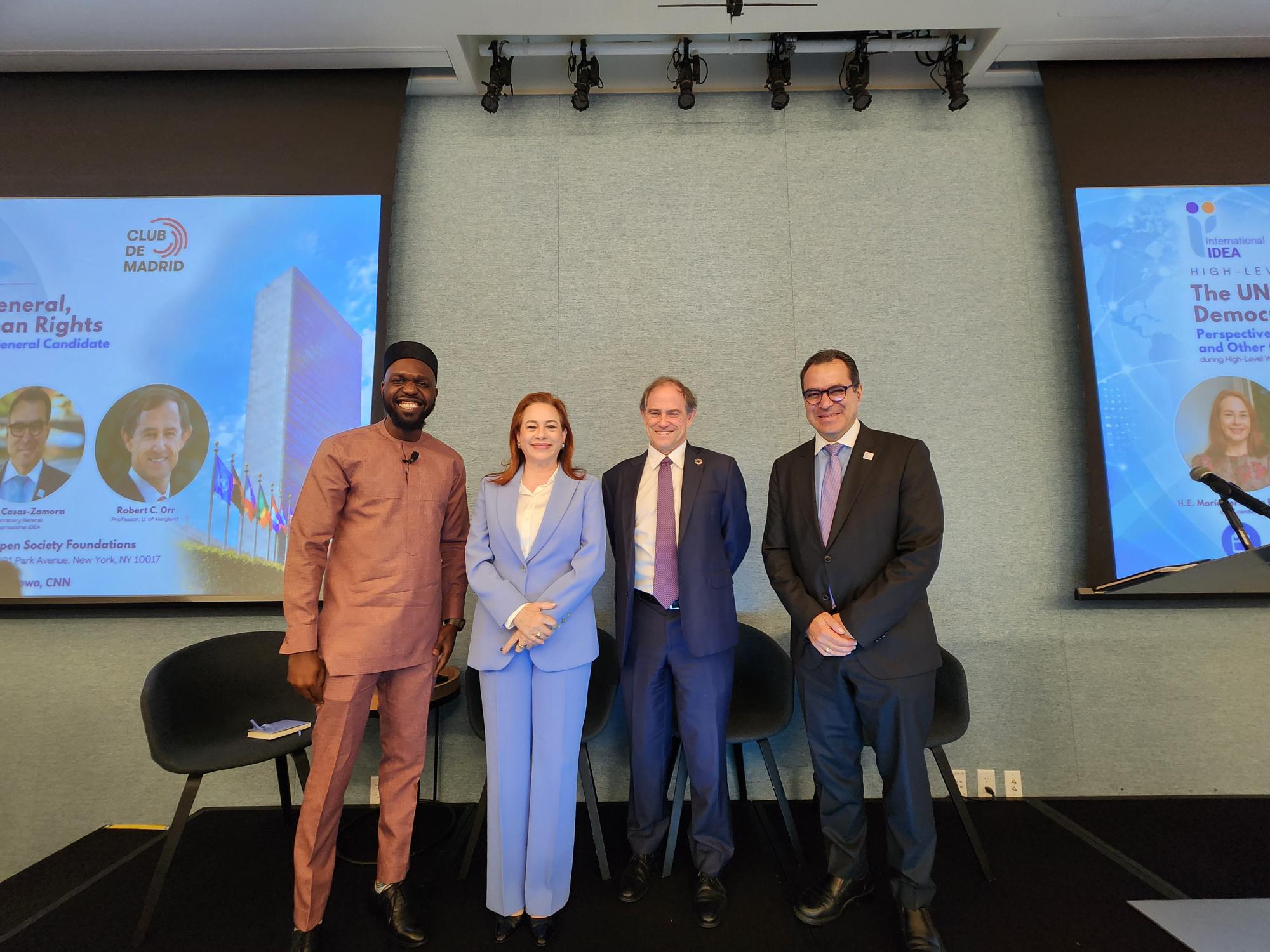
International IDEA, Club de Madrid, and Open Society Foundation hold a conversation with a UN Secretary-General candidate, September 2026.
The future of multilateralism is also a question of leadership.
Together with Open Society Foundations, International IDEA and Club de Madrid convened a conversation with UN Secretary-General candidate María Fernanda Espinosa on what the next Secretary-General can do to strengthen democracy, human rights and civic space.
The discussion explored the mandate, authority and tools available to the Secretary-General at a time of democratic backsliding and growing pressure on human rights and civic space.
Espinosa was joined by International IDEA Secretary-General Kevin Casas-Zamora, Pedro Abramovay and Robert C. Orr, with CNN’s Larry Madowo moderating the conversation. Nearly 200 people attended the dialogue, creating an opportunity for civil society to engage directly with a candidate for the UN’s highest office.
For International IDEA, the discussion reflected a broader point: democratic governance intersects with all three pillars of the United Nations. How the UN uses its leadership, convening power and tools to support democracy and human rights therefore matters far beyond the walls of the organization itself.
Bringing regional realities into the global conversation
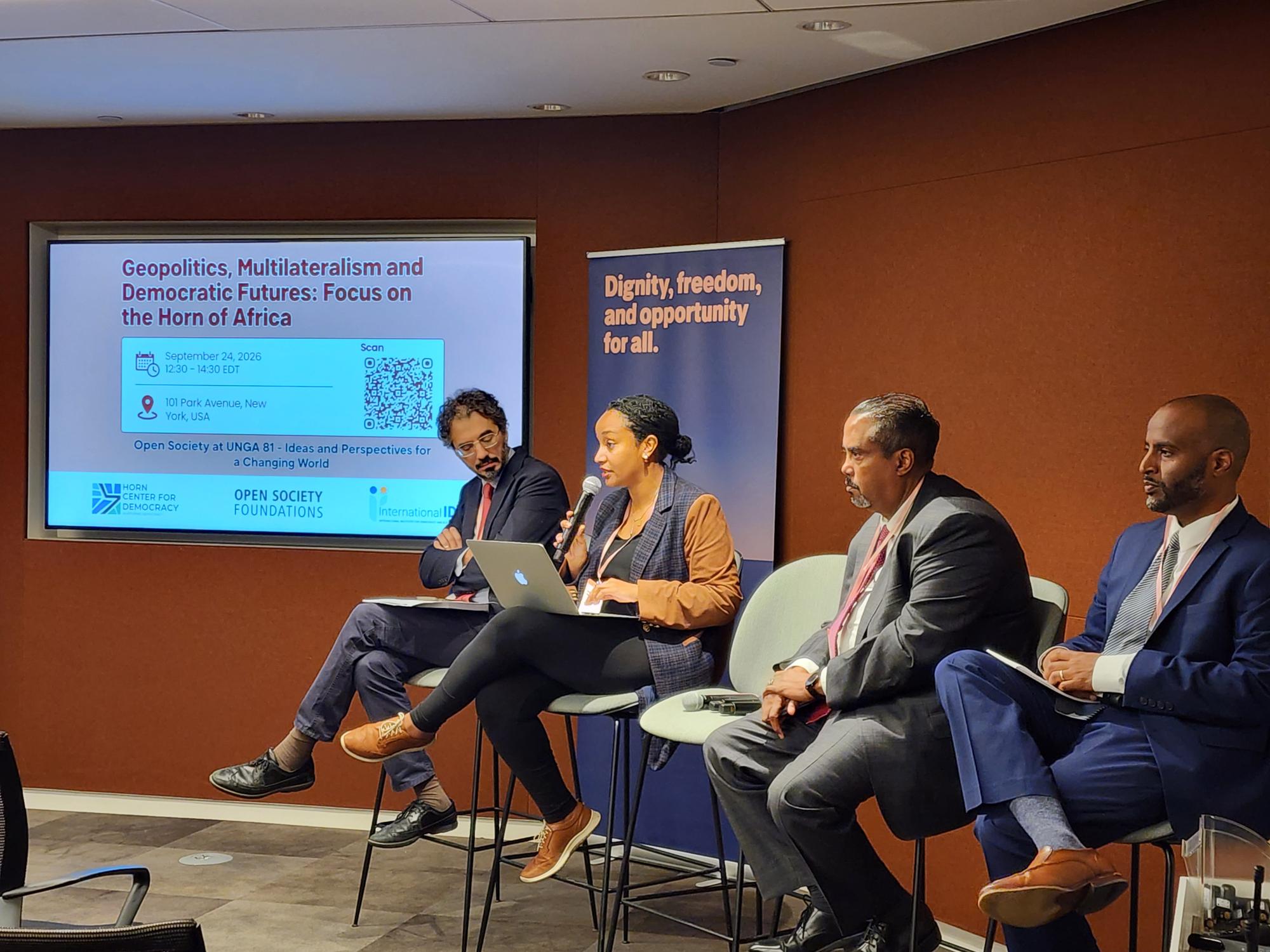
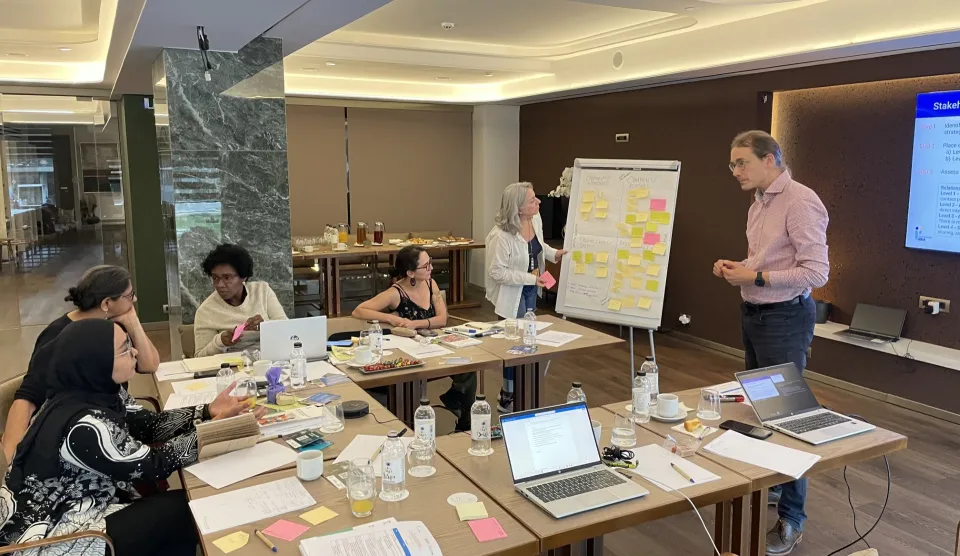
Panelists at Horn Center for Democracy, Open Society-Africa and International IDEA event, September 2026.
Global debates about democracy and multilateralism must also be rooted in regional realities.
A third International IDEA dialogue during High-Level Week turned the focus to the Horn of Africa, where geopolitical competition, changing conflict dynamics and pressures on the multilateral system are reshaping prospects for peace and democratization.
Together with the Horn Center for Democracy and Open Society-Africa, International IDEA brought regional and international experts together to examine the links between intensifying geopolitical competition, conflict and institutional fragility, shrinking civic space and growing pressure on multilateral institutions.
The conversation underscored that democracy, peace and security, and multilateralism cannot be addressed in isolation, and that effective international responses need to be grounded in the experiences, realities and priorities of the region itself.
Building democratic resilience before erosion becomes entrenched
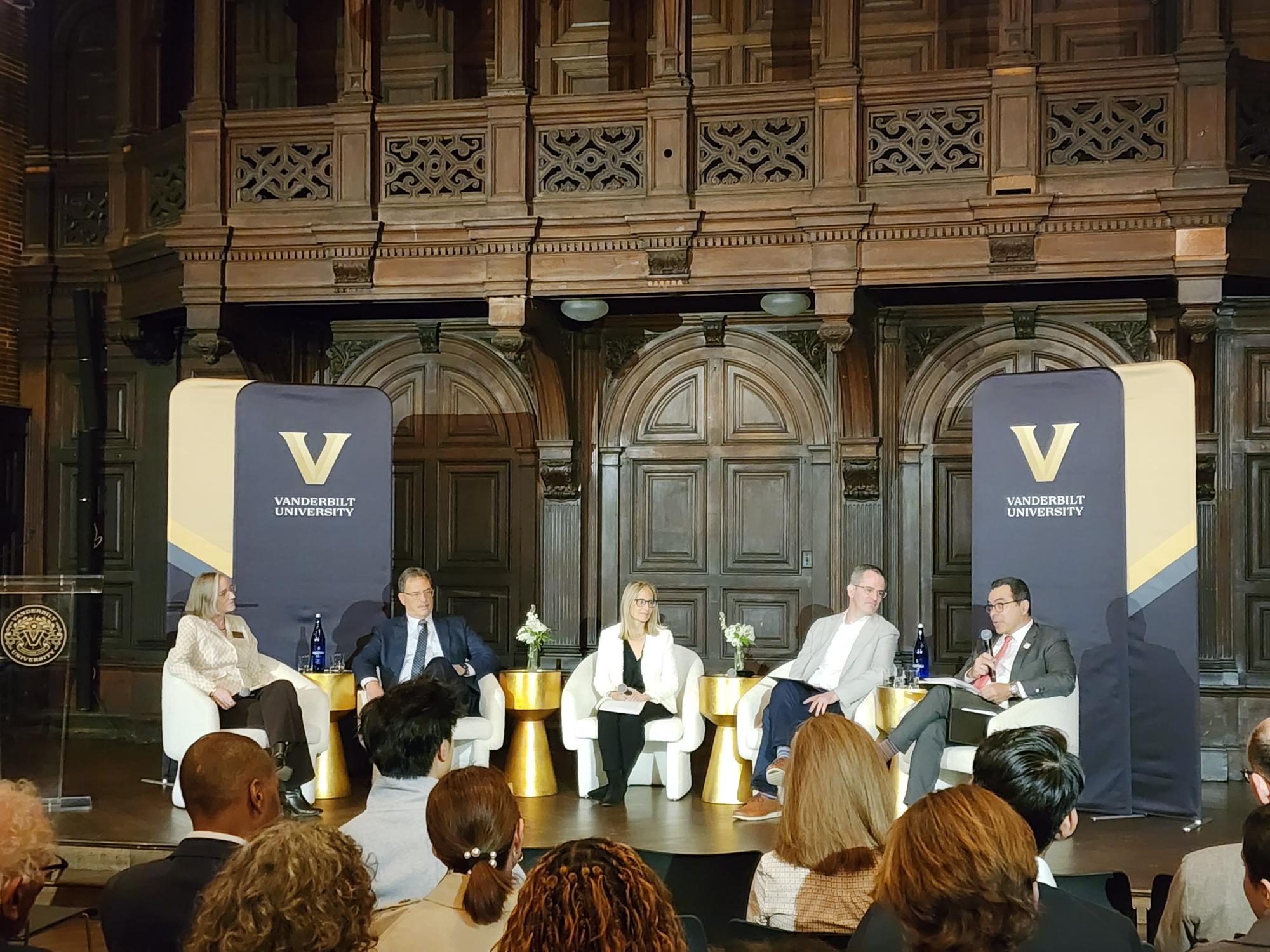
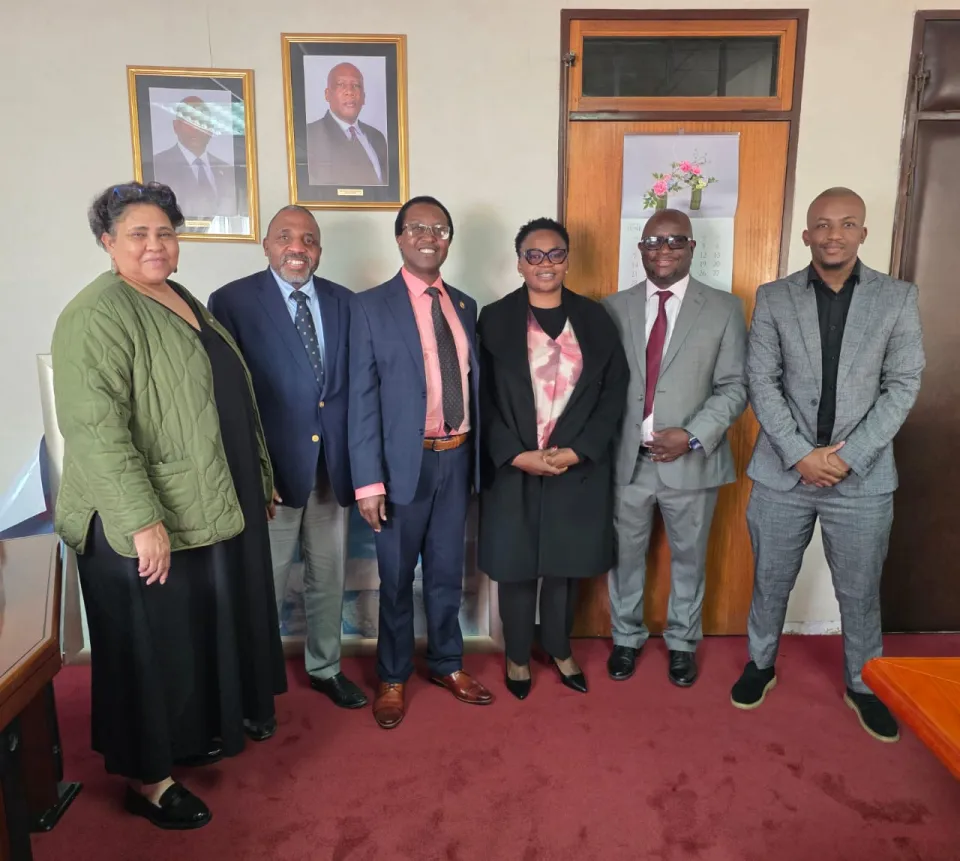
Panelists at Vanderbilt University in New York City, September 2026.
The week also provided an opportunity to look more closely at democratic resilience itself.
At Vanderbilt University–New York City, Kevin Casas-Zamora joined Ruth Ben-Ghiat, Larry Diamond and Noam Lupu for a discussion moderated by Elizabeth J. Zechmeister on “Building Resilient Democracies in Challenging Times.”
Drawing on International IDEA’s latest Global State of Democracy findings, the conversation examined how democratic erosion takes hold, when elections can act as a safeguard or a vulnerability, and what can be done to strengthen resilience before democratic decline becomes entrenched.
The discussion connected comparative global trends with citizens’ attitudes and experiences, authoritarian consolidation, and the relationship between democratic performance, legitimacy and power, shifting the focus from simply diagnosing democratic decline towards understanding how resilience can be built and sustained.
Partnerships that carry the work forward
High-Level Week is not only about what happens on stage.
Throughout the week, International IDEA used the opportunity to deepen dialogue with Member States and partners on democratic resilience, electoral integrity, artificial intelligence, disinformation, democratic delivery and the future of multilateral cooperation.
Meetings and exchanges brought International IDEA together with representatives of Member States including Senegal, Kenya, Sweden, Hungary, South Africa, Norway, the United Kingdom and the Netherlands, as well as partners across the UN system, regional and international organizations, civil society and philanthropy. These included the Council of Europe, Open Government Partnership, Kofi Annan Foundation, Club de Madrid, OHCHR, UNDP, UN Women, IDLO, the European Union, Ford Foundation, Open Society Foundations and Vanderbilt University.
Across those very different conversations, a common thread emerged.
Democracy needs to remain firmly on the multilateral agenda, as part of how the international community responds to challenges that increasingly cross borders.
That requires domestic political will. But it also requires international cooperation capable of reinforcing democratic institutions, protecting rights and participation, and delivering for people.
The conversations in New York showed both the scale of that challenge and the breadth of partnerships available to address it. The work now is to carry that momentum beyond High-Level Week and turn shared commitments into action.


About the authors