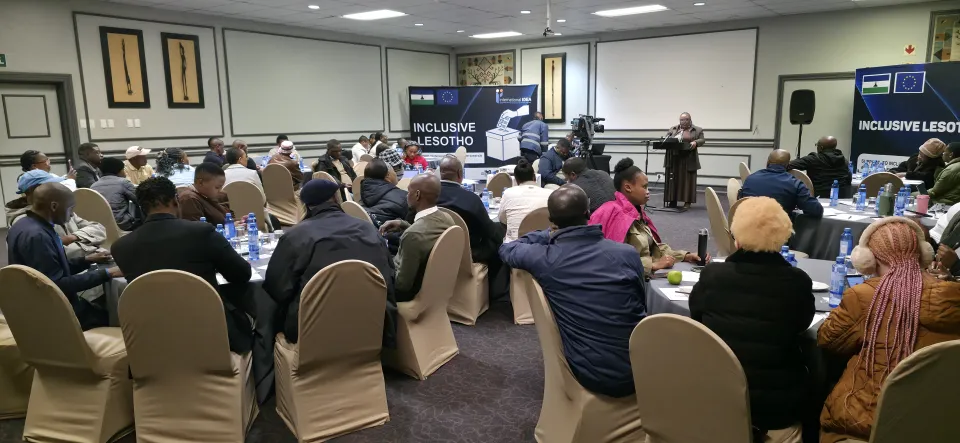
Strengthening electoral leadership and integrity at the 13th New Commissioners’ Orientation programme
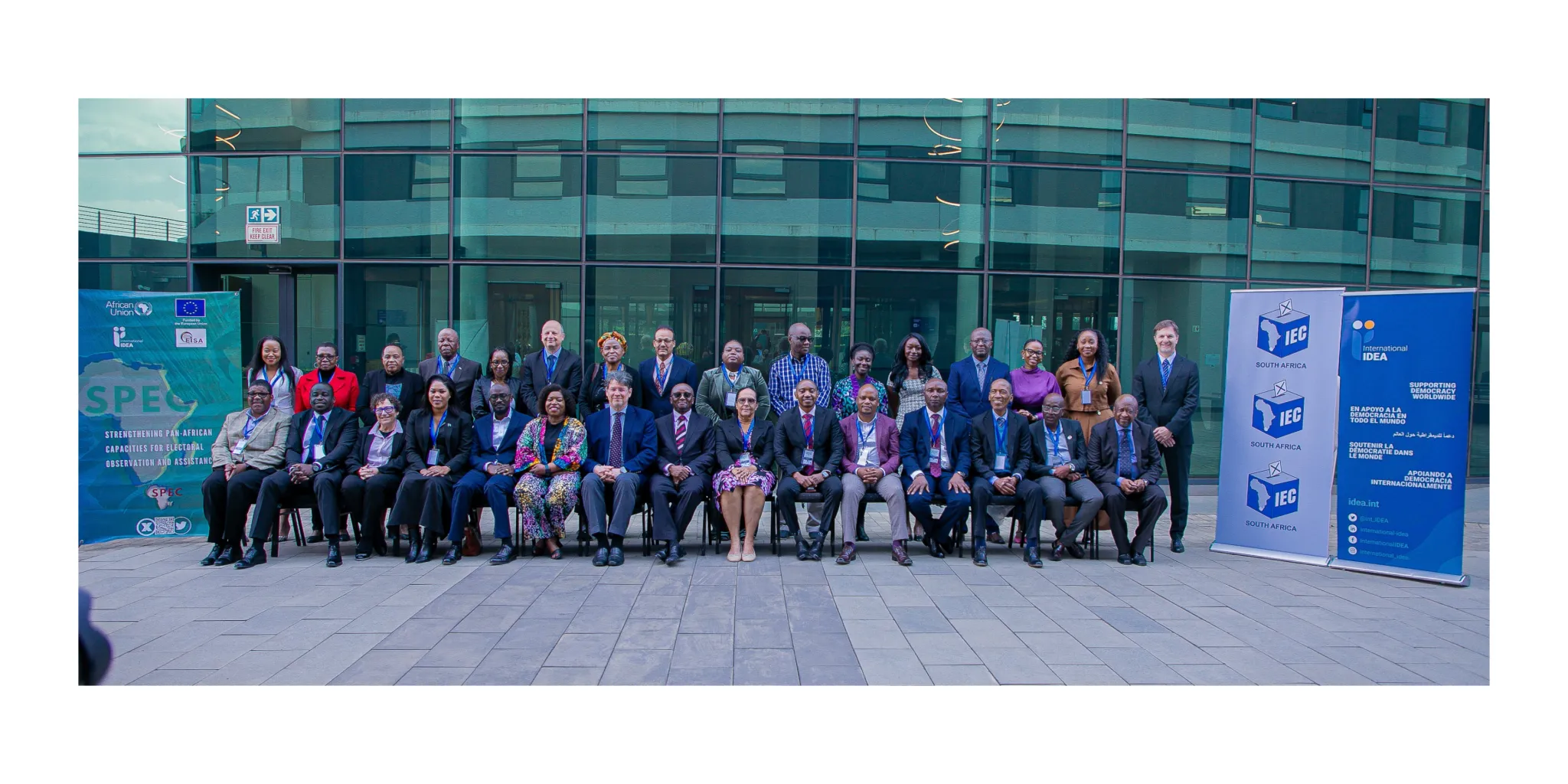
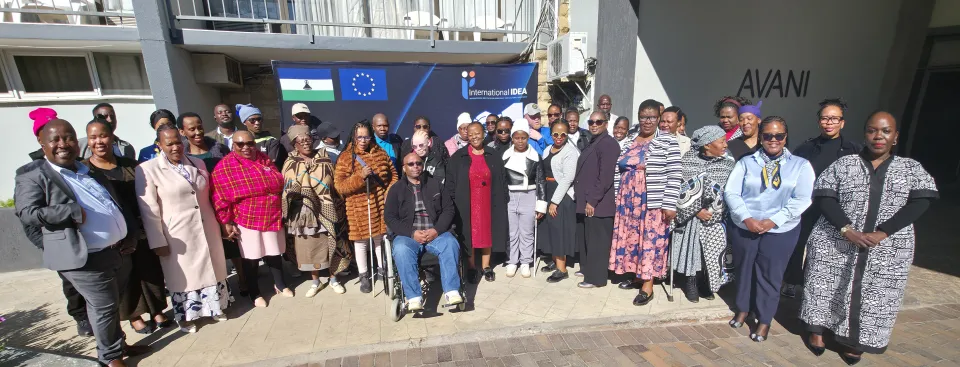
The three-day programme was held in Johannesburg, South Africa, from 3 – 5 June 2026, was jointly organised by the International Institute for Democracy and Electoral Assistance (International IDEA) and the Electoral Commissions’ Forum of SADC Countries (ECF-SADC) and hosted by the Electoral Commission of South Africa (IEC). It was co-funded by the European Union through the Strengthening Pan-African Capacities for Electoral Observation and Assistance (SPEC) Project.
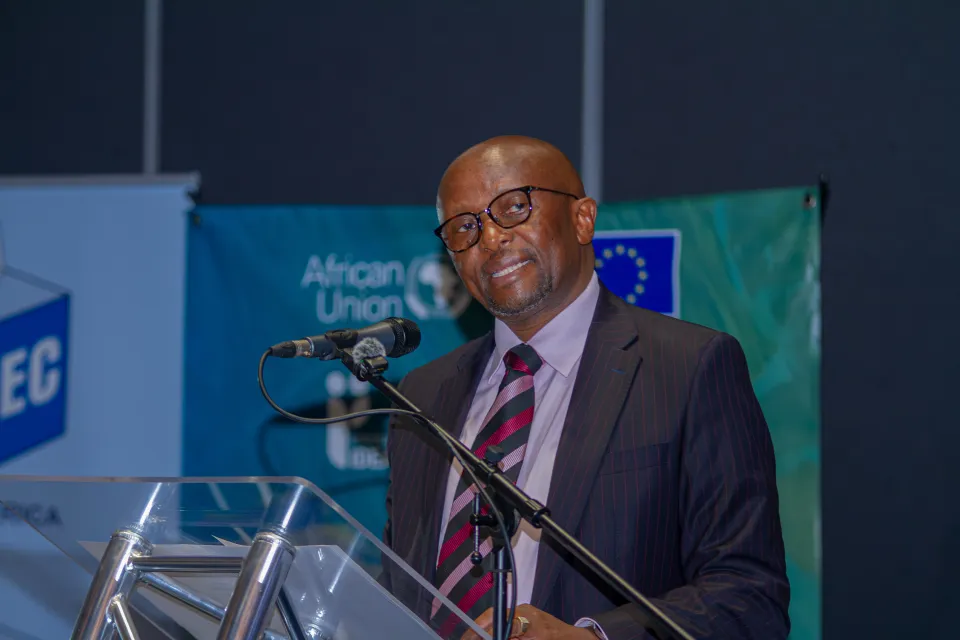
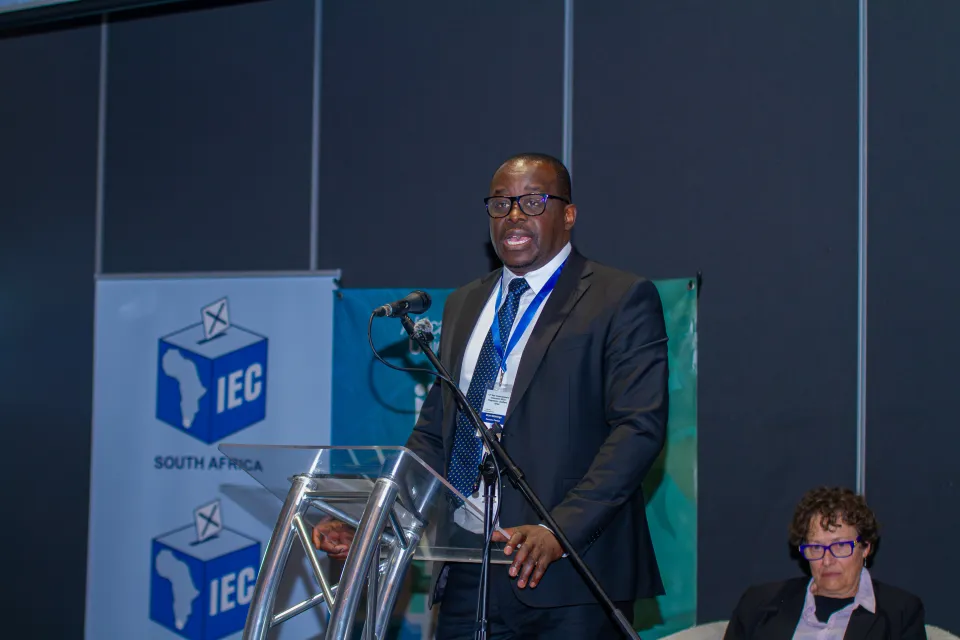
The opening session of the 13th NCO Programme featured welcoming remarks by Mr Mosotho Moepya, Chairperson of the Electoral Commission of South Africa (IEC) in his capacity as the Chairperson of the ECF-SADC Exco; followed by remarks from Mr. Gram Matenga, Regional Head of Programmes for Africa and West Asia at International IDEA. Participants also received a goodwill message from Prof. Kula Ishmael Theletsane, Director of Organ on Politics, Defence and Security Affairs at the SADC Secretariat. The programme was officially opened by Honorable Andries Carl Nel, Deputy Minister for Justice and Constitutional Development of the Republic of South Africa.
Speakers at the opening session emphasized the critical role of electoral management bodies (EMBs) in safeguarding democracy, electoral integrity, and public trust. Mr. Moepya highlighted the NCO as a platform for introducing new Commissioners to key electoral principles while promoting peer learning and knowledge sharing. Mr. Matenga underscored the responsibility of EMBs to protect electoral integrity amid emerging challenges such as social media, artificial intelligence, and information manipulation. He described the appointment of Commissioners as both a mark of trust and a call to service, noting that
“Commissioners are not merely managers of timetables, budgets and polling arrangements, they are custodians of public trust and stewards of institutional integrity”.
Addressing participants virtually, Prof. Kula Ishmael Theletsane, emphasized that strong electoral institutions and stakeholder confidence throughout the electoral process are essential for credible elections. He noted that the NCO Programme plays an important role in strengthening electoral governance and election management across the SADC region. Hon. Andries Nel reminded participants of their role as custodians of democracy in an increasingly complex environment marked by technological change, misinformation, and declining trust in institutions. He described the NCO Programme as a vital capacity-building initiative that prepares Commissioners to navigate these challenges while safeguarding electoral integrity and democratic governance.
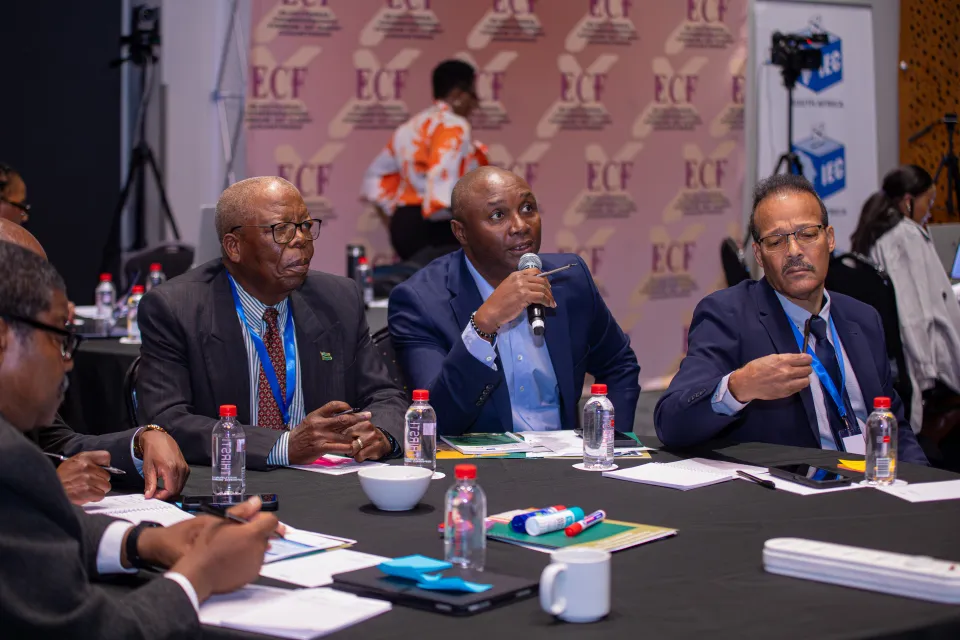
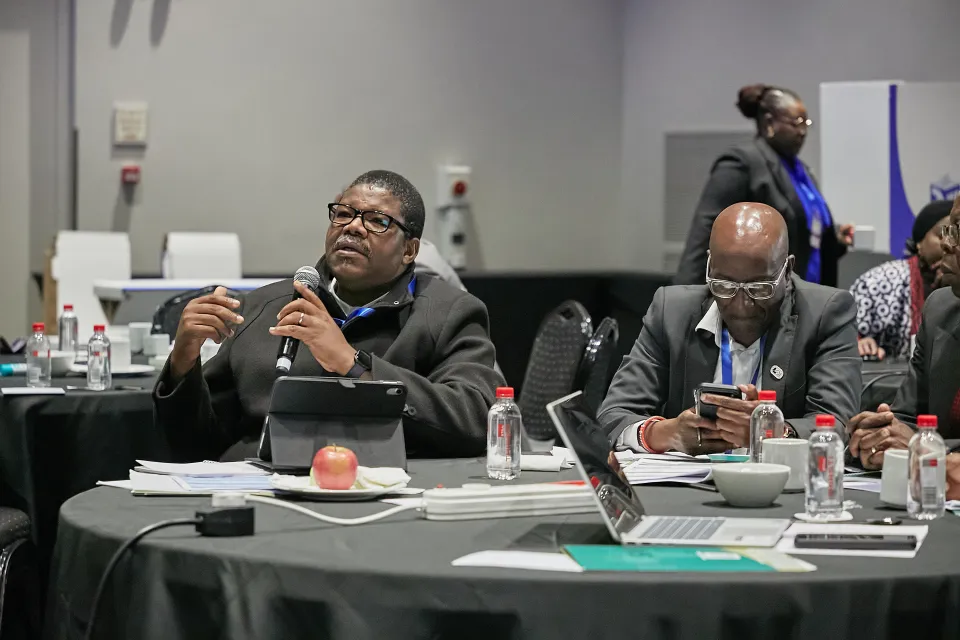
Throughout the programme, participants explored key aspects of electoral management, including democratic standards and EMB models, electoral integrity, inclusion of women, youth and persons with disabilities, electoral planning, voter registration, election financing, election day operations and results management, electoral dispute adjudication, media and stakeholder engagement, leadership and political pressure, conflict prevention, and the impact of digitalization and emerging technologies on elections. Discussions also provided a platform for participants to exchange experiences, emerging practices, and common challenges facing Electoral Management Bodies across the SADC region.
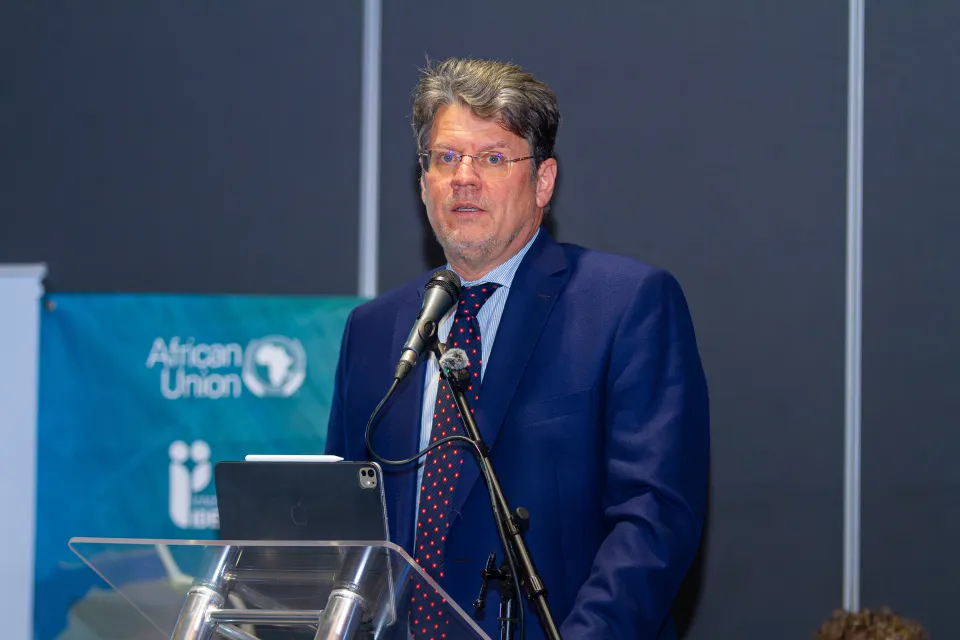
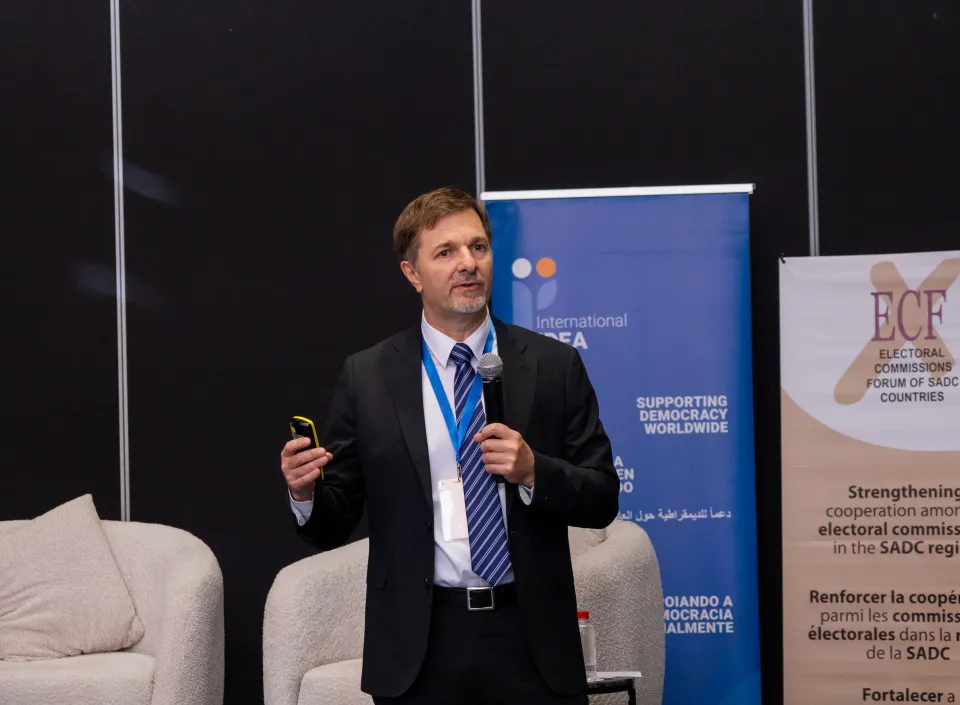
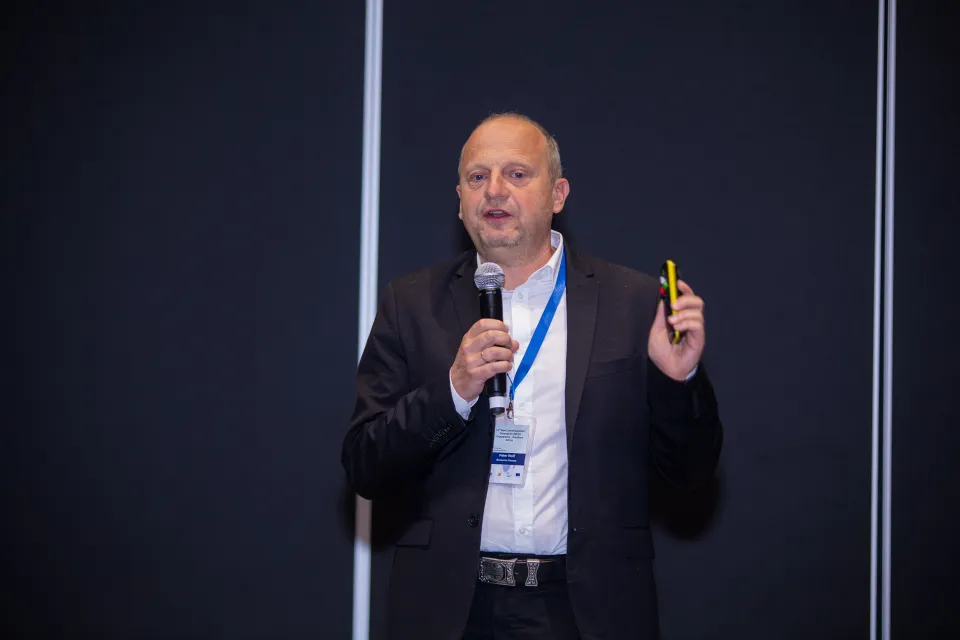
International IDEA experts led several technical sessions. Sead Alihodzic, Peter Wolf and Sifisosami Dube examined protecting electoral integrity, voter registration systems, gender, youth and persons with disabilities and digital transformation. Addressing the impact of emerging technologies on elections, Guy Berger, expert in media and Internet policy, in reference to technology and digitalisation, encouraged Electoral Management Bodies to “adopt fast but adapt slowly”.
The programme also drew extensively on South Africa’s electoral experience through practical case studies presented by experts from the IEC, South Africa (IEC). Mr Masego Sheburi, Deputy Chief Electoral Officer fot Electoral Operations, shared lessons on election day operations and results management; Mr Libisi Maphanga, Chief Information Officer, examined the use of ICTs in elections and digital innovation; while Dr Victor Shale, Deputy Chief Electoral Officer for outreach, discussed media, digital communication, and the growing threat of disinformation. These sessions provided participants with practical insights into South Africa’s experience in strengthening electoral administration.
Additional sessions featured Justice Chifundo Jairus Kachale, Former Chairperson of the Malawi Electoral Commission, on electoral dispute adjudication and principled electoral leadership; Adv. Faith Dikeledi Pansy Tlakula, Former Chairperson of the Electoral Commission of South Africa, on transparency, stakeholder engagement, and safeguarding electoral independence, Adv. Notemba Tjipueja, Former Chairperson, IEC Namibia o EMB Leadership and Prof. Kealeboga Maphunye, Political Analyst and Governance Expert, on the role of preventive diplomacy in mitigating electoral conflict.
Discussing election financing, Olufunto Akinduro, Senior Adviser for Electoral Processes at International IDEA, examined key issues related to election funding, government influence, and procurement procedures. Participants from across the SADC region exchanged experiences on financing frameworks and regulatory requirements in their respective countries, while reflecting on the importance of transparency, accountability, and timely funding in supporting credible electoral processes.
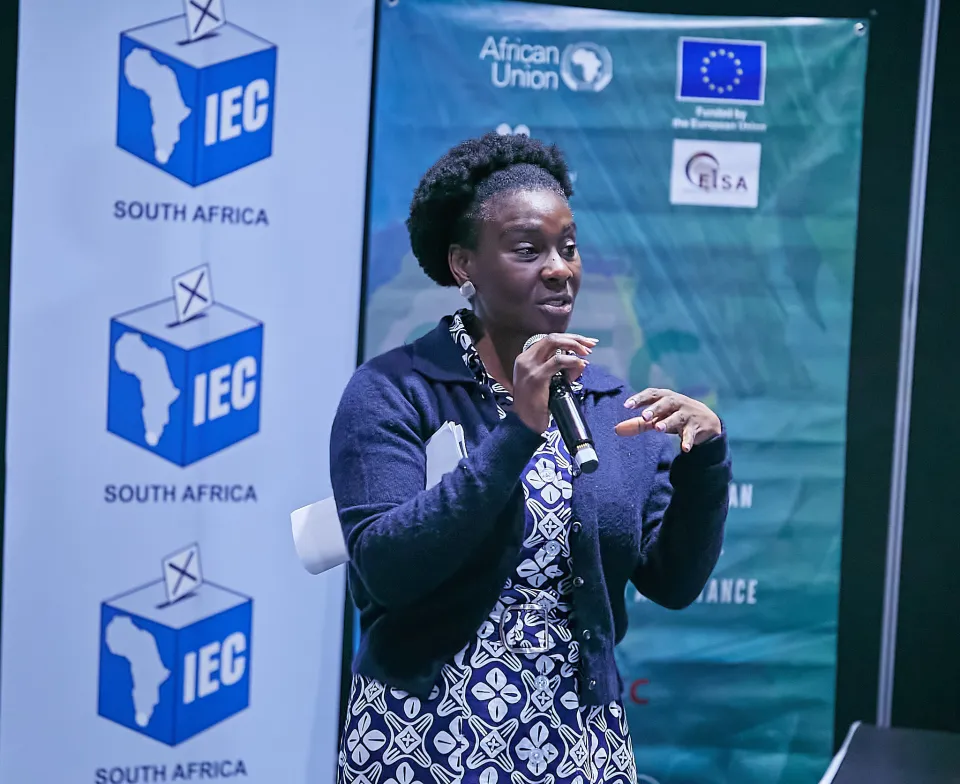
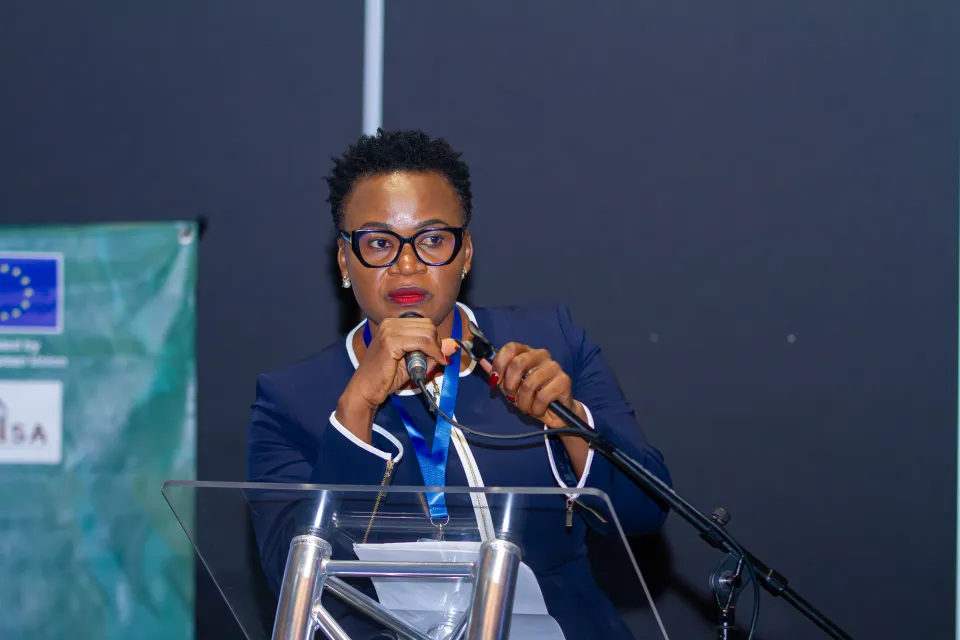
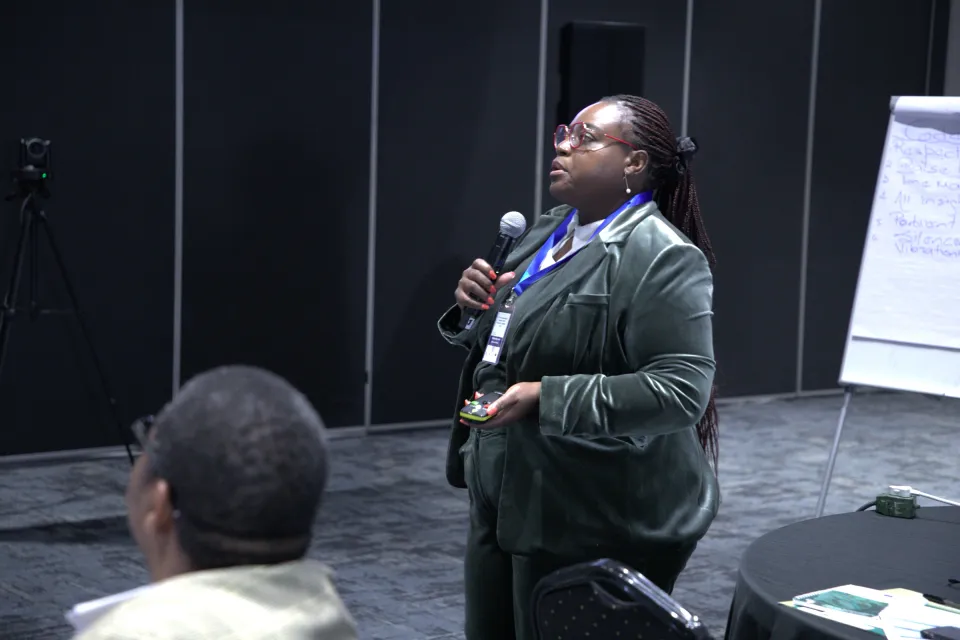
The programme combined expert presentations, panel discussions, practical exercises, and peer learning sessions, facilitated by Ms. Vera Muring, Programme Officer, Electoral Processes at International IDEA, and Ms. Tomsie Dlamini, Capacity Development Specialist, who guided participants through the various learning activities.
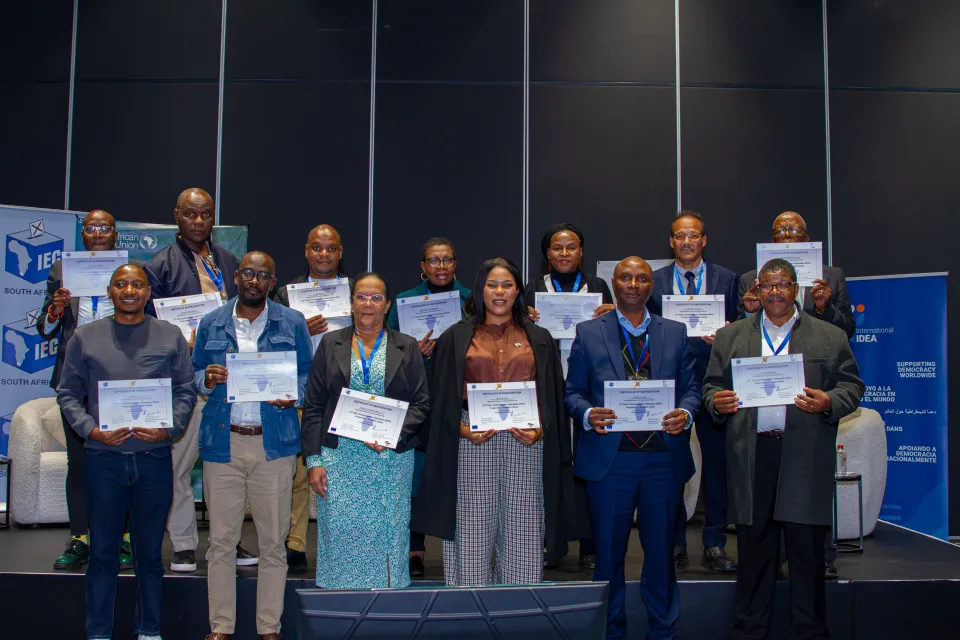
Participants received certificates in recognition of their successful completion of the orientation at the conclusion of the programme. Equipped with strengthened networks, practical knowledge, and new perspectives, participants return to their respective institutions better prepared to advance credible, inclusive, and transparent elections across the SADC region.


About the authors