Training, Education and Research in Electoral Administration
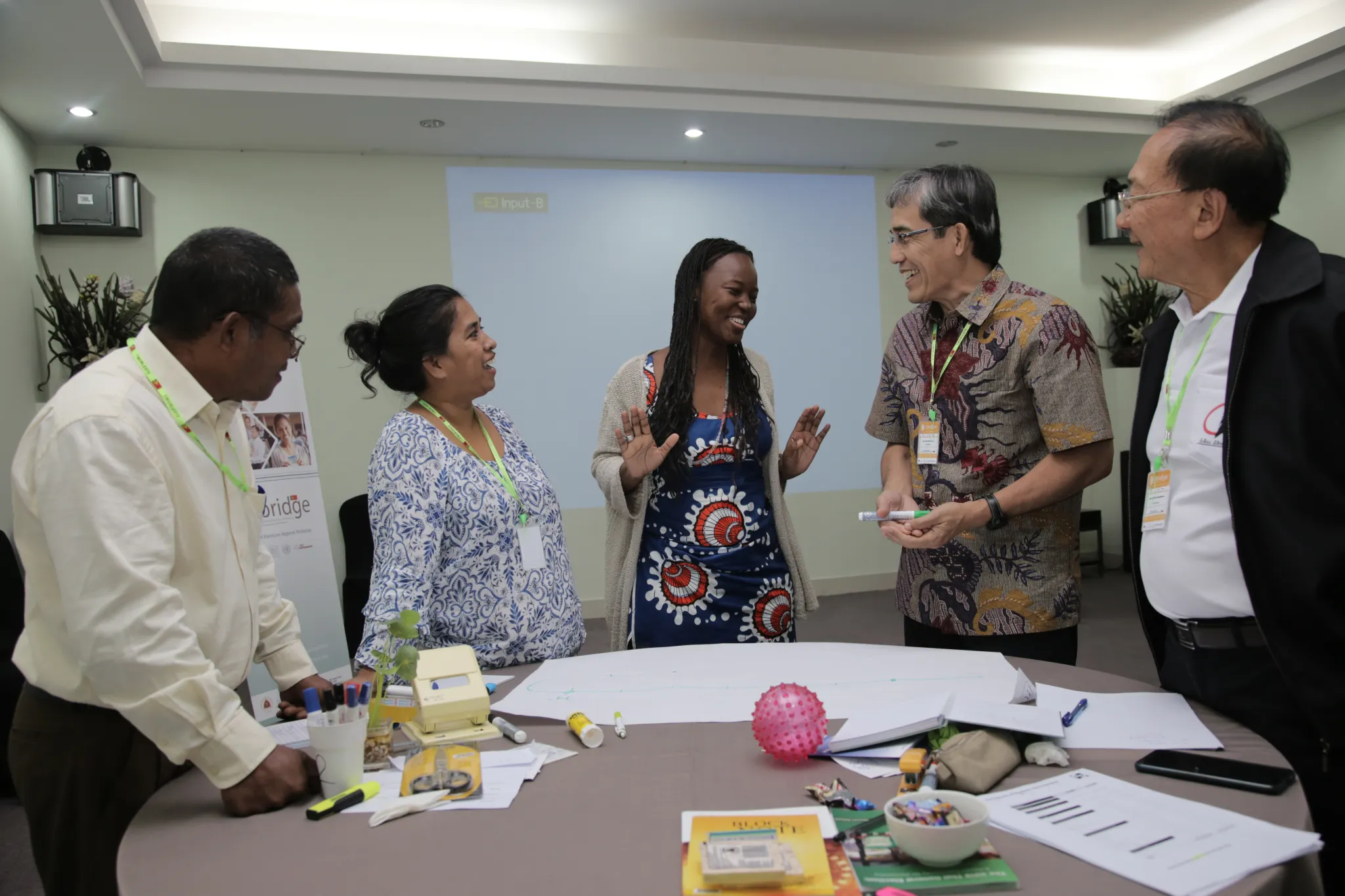
Training, education and research are fundamental investments in the integrity, professionalism and resilience of electoral processes. Effective training equips election officials with the knowledge, skills and competencies required to administer elections impartially and efficiently, while supporting institutional learning and professional development within electoral management bodies (EMBs). Education helps election officials, political parties, candidates, observers, the media and voters understand the legal framework, electoral processes, and their respective roles and responsibilities, contributing to more transparent, inclusive and credible elections. Research, evaluation and lessons-learned exercises enable EMBs to identify good practices, adapt to emerging challenges and continuously improve electoral administration.
This report, first published on 3 June 2021 and updated regularly, serves as a living knowledge hub on training, education and research in electoral administration. It brings together publications, policy papers, case studies, podcasts, webinars and examples of innovative practice from around the world to foster peer learning and promote the exchange of knowledge, experience and good practice among election practitioners, researchers and international partners. The report also highlights major global initiatives supporting electoral capacity development, including the ACE Electoral Knowledge Network, the BRIDGE (Building Resources in Democracy, Governance and Elections) professional development programme, and the Master in Electoral Policy and Administration (MEPA). Reflecting International IDEA's commitment to evidence-based learning and international collaboration, the multimedia report supports electoral management bodies (EMBs) in strengthening professional electoral administration and building resilient electoral institutions.
Featured Release
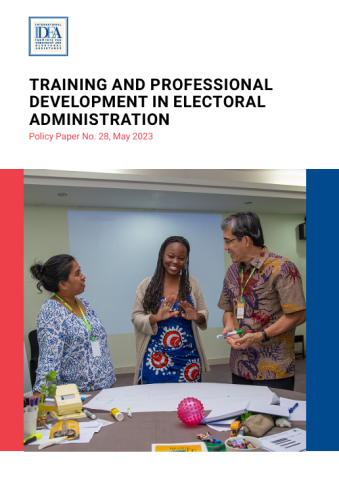
Training and Professional Development in Electoral Administration Policy Paper No 28, May 2023 Author: Erik Asplund The Policy Paper addresses two different but interlinked issues: how to build and strengthen the capacities of EMB staff and workforce (both technical and lifelong learning); and how to build institutional capacities for delivering both types effectively. The paper is supplemented with findings from: a survey conducted in 2021; a 2021 case study series on the institutionalization of electoral training and education; and a 2020 workshop. This paper provides recommendations for practitioners seeking to strengthen their training and professional development programmes, as well as highlighting recommendations for the electoral assistance community. |
Case Studies
International IDEA has developed a series of country case studies to better understand the dynamics of opening and operating electoral training and education facilities in different environments. Each case study takes a similar approach by focusing on the facility's beginnings, first years of operations, and years of development and expansion. The case studies are aimed at policymakers and practitioners involved in EMB design, focusing on operational training, professional development, voter and civic education, and research.
- Electoral Training and Education: The Case of IIIDEM in India (International IDEA, 27 May 2021)
- Electoral Training and Education: The Case of the Electoral Institute in Nigeria (International IDEA, 27 May 2021)
- Electoral Training and Education: The Case of the Centre for Continuous Electoral Training in Moldova (International IDEA, 27 May 2021)
- Electoral Training and Education: The Case of the Information and Electoral Education Unit, ONPE Peru (International IDEA, 27 May 2021)
- National Training and Education Unit - Australian Electoral Commission (Australian Election Commission, 16 June 2021)
- National Electoral Education Centre - Australian Electoral Commission (Australian Election Commission, 16 June 2021)
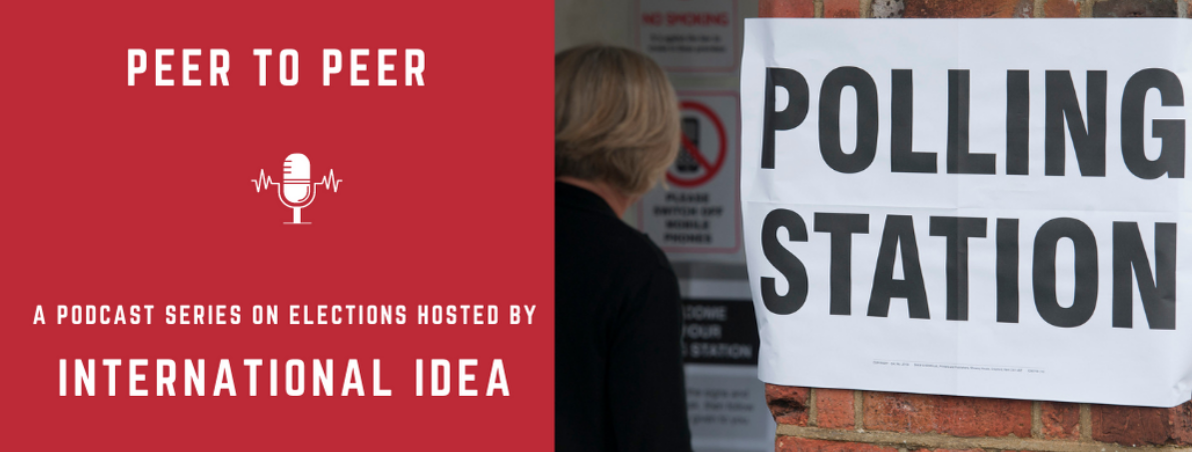
Podcast Series
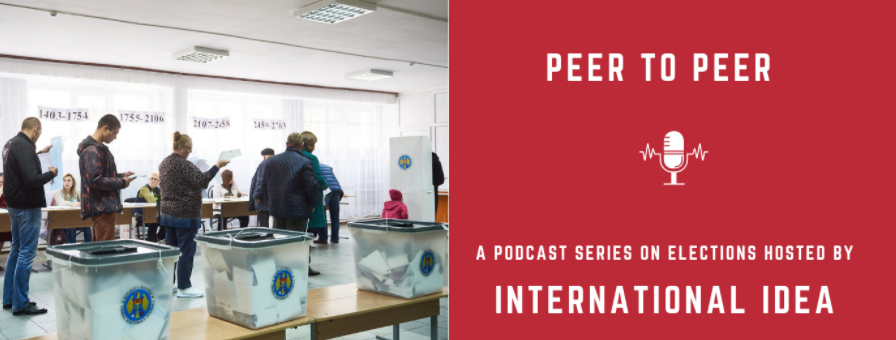
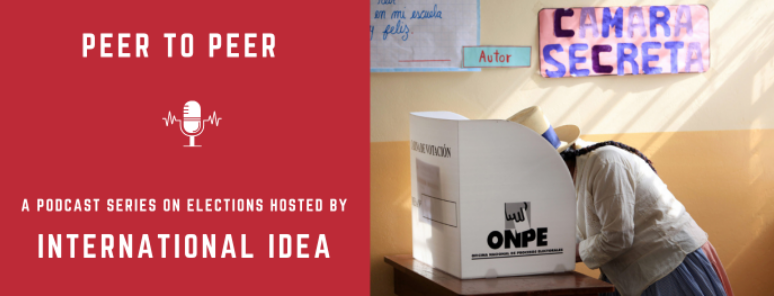
The Peer-to-Peer podcast series brings together electoral practitioners from around the world to share practical experiences and lessons on strengthening training, professional development and electoral administration. Through conversations with election officials and experts, the series highlights innovative institutional approaches to capacity building, voter education and election management.
- How Australia’s EMBs train their electoral officials and educate their youth (7 February 2022)
- Nigeria's 2020 Elections - Conducting electoral training during the Covid-19 pandemic (7 December 2021)
- UK 2021 Local Elections – The role of the Association of Electoral Administrators (8 November 2021)
- Moldova 2021 Parliamentary Elections – The role of the Center for Continuous Electoral Training (18 October 2021)
- Peru 2021 General Elections - Training the frontlines and informing the public (12 October 2021)
Workshop Report
The International Consultative Workshop, held in New Delhi in July 2017, brought together election management bodies and international partners to strengthen electoral capacity development through greater cooperation and knowledge sharing. A key outcome was the 'New Delhi Statement on Electoral Capacity Development', which promotes continuous professional development, institutionalized training, peer learning, research and international collaboration as essential components of professional and resilient electoral administration.
BRIDGE
Building Resources in Democracy, Governance and Elections (BRIDGE) is the world's leading professional development programme in electoral administration. It provides a comprehensive, competency-based curriculum comprising 17 modules and a Train the Facilitator course that strengthen the knowledge, skills and professional practice of election officials and other electoral stakeholders. Developed using participatory adult-learning methodologies, BRIDGE promotes peer learning and practical application rather than prescriptive approaches, enabling participants to learn from diverse electoral experiences and contexts. Since its launch in 2001, more than 2,583 BRIDGE workshops—including 208 Train the Facilitator courses—have been conducted in more than 118 countries, reaching over 23,205 participants from more than 120 countries and supported by a global network of 2,129 accredited facilitators. The programme is jointly managed by five partner organizations: the Australian Electoral Commission (AEC), International IDEA, the International Foundation for Electoral Systems (IFES), the United Nations Development Programme (UNDP) and the United Nations Electoral Assistance Division (UNEAD/DPPA).
In 2022, the BRIDGE partnership celebrated the programme's 20th anniversary, marking two decades of advancing professional electoral administration worldwide. The milestone was commemorated with a photo exhibition at United Nations Headquarters in New York, showcasing BRIDGE's global reach, achievements and impact through stories, images and statistics. The anniversary also marked the launch of an updated curriculum and a new BRIDGE website, reinforcing the programme's continued commitment to innovation, professional development and international cooperation in electoral capacity building. For more information visit the BRIDGE home page.
MEPA
The Master in Electoral Policy and Administration (MEPA) was developed to strengthen the professionalization of electoral administration by providing advanced postgraduate education for current and aspiring election professionals. Based on the International IDEA Model Curriculum (2014), the programme draws on both academic and practitioner perspectives to provide participants with the knowledge and skills needed to understand and manage electoral processes across the electoral cycle. Designed as a flexible and evolving curriculum, it serves both as a reference for universities seeking to establish postgraduate programmes in electoral administration and as the foundation for the online Master in Electoral Policy and Administration, delivered by the Scuola Superiore Sant'Anna (based in Italy) in collaboration with UNITAR. Through case studies and practical simulations, the programme prepares graduates for leadership roles in election management bodies, electoral observation and electoral assistance worldwide. For more information about MEPA visit Scuola Superiore Sant'Anna course page.
ACE Electoral Knowledge Network
The ACE Electoral Knowledge Network is the world's largest online repository of electoral knowledge, providing comprehensive information, comparative data and expert advice on all aspects of electoral processes. Established in 1998 by International IDEA, the International Foundation for Electoral Systems (IFES), the United Nations Development Programme (UNDP) and the United Nations Electoral Assistance Division (UNEAD), ACE supports credible, professional, inclusive and sustainable elections by serving as a global platform for knowledge sharing and peer learning among election practitioners, researchers and policymakers. ACE brings together a wide range of resources, including an electoral encyclopaedia covering every stage of the electoral cycle, comparative data and country profiles for more than 200 countries and territories, an extensive collection of electoral materials, and the ACE Practitioners' Network, which connects more than 1,000 election professionals worldwide. It also provides access to professional development resources, including the BRIDGE programme and other learning opportunities, making ACE an indispensable reference for electoral management bodies and the wider electoral assistance community. For more information visit the ACE Electoral Knowledge Network home page.
News Articles
On a continuous basis, International IDEA publishes news articles highlighting developments in training, education and professional development in electoral administration. These articles showcase new publications, capacity-building initiatives, BRIDGE workshops, institutional partnerships and innovative practices from around the world. Some of the most prominent news items are listed below.
- Adapting BRIDGE for Resilience and Increased Electoral Integrity (4 November 2025)
- Maintaining the relevance of BRIDGE by addressing emerging topics and challenges while delivering modules and programs in the current global context (21 August 2025)
- BRIDGE as a broader capacity building tool to help build institutional resilience: reflections from the past and ways forward – Resilience and Innovation (June 2024)
- BRIDGE as a broader capacity building tool to help build institutional resilience: reflections from the past and ways forward (February 2024)
- Training and Professional Development in Electoral Administration (December 2023)
- BRIDGE Training on Cybersecurity and Disinformation in Elections in Albania (March 2023)
- BRIDGE training cybersecurity and disinformation elections in Albania (March 2023)
- BRIDGE Train the Facilitator Workshop for the Central Elections Commission in Albania (July 2022)
- Training, Education and Research in Electoral Administration: Investing in excellence (3 June 2021)
- BRIDGE Strategic Planning Workshop for PIANZEA Electoral Officials (28 May 2021)
- Election trainers share success and failure stories in workshop on best practices (10 March 2020)
- Supporting Excellence in Elections (28 January 2021)
- Practitioners Perspective on Financing of Elections (24 January 2020)
- What diplomats need to know about democracy and elections (14 January 2020)
- Welcoming Remarks to Regional BRIDGE workshop on Financing of Elections (24 September 2019)
- Timor Leste Host Regional BRIDGE Workshop on Financing Elections (27 September 2019)
- BRIDGE releases update Media and Elections module (29 August 2018)
- BRIDGE workshop in Paraguay on gender, strategic planning and equal access to the electoral cycle (22 November 2017)
- BRIDGE Voter and Civic Education module launched (19 December 2017)
- India joins the BRIDGE family (15 December 2017)
- Electoral processes: an investment, not a cost (1 December 2017)
- Electoral capacity development: The New Delhi Statement (3 October 2017)
Expand the dashboard for full-screen view of the interactive map.
For further information, please contact International IDEA at elections@idea.int.
Media


About the authors