High-level Meeting of the General Assembly on the overall review of the implementation of the outcomes of the World Summit on the Information Society (WSIS+20)
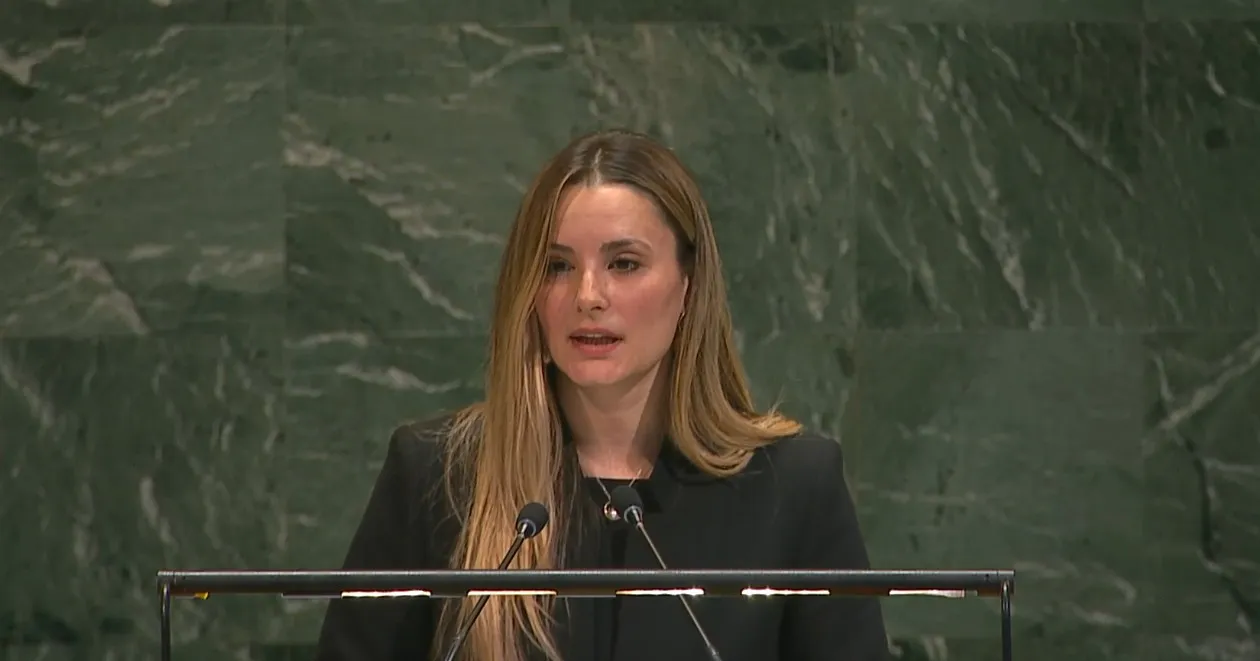
“High-level Meeting of the General Assembly on the overall review of the implementation of the outcomes of the World Summit on the Information Society (WSIS+20)”
16-17 December 2025
Statement by the International Institute for Democracy and Electoral Assistance
Excellencies,
International IDEA thanks the General Assembly for convening this high-level meeting on the implementation of the outcomes of the World Summit on the Information Society (WSIS). We would also like to commend the co-facilitators, Albania and Kenya, for their continued open engagement throughout the review process.
As an intergovernmental organisation mandated to support democracy worldwide, International IDEA looks at technology and Internet governance from a human rights-centred perspective, premised on the principles of the United Nations Charter and the Universal Declaration of Human Rights. We believe that protecting the multistakeholder model, ensuring a human rights-centred approach, and closing the gender digital divide are critical for the implementation and success of this process.
Safeguarding the multistakeholder model—anchored in principles of dialogue, transparency, inclusivity, and accountability—will help ensure a resilient and open digital ecosystem. To maximize impact and avoid duplication, it is crucial to integrate this approach across existing processes such as the Internet Governance Forum (IGF), the Global Digital Compact (GDC), and NetMundial+10. We welcome the recognition of the working modalities of the IGF and the decision to make it a permanent forum of the United Nations, as well as the integration of the WSIS vision within the GDC. We call upon this assembly to reaffirm its commitment to the multistakeholder model as the cornerstone of global Internet governance.
We also take this opportunity to express our concern that the open Internet model is drifting towards a more fragmented and state-centric system. This trend poses serious risks to the human rights system in the digital age, including the right to privacy and the right to freedom of expression. In an era where Internet fragmentation and surveillance-based Internet governance have gained traction, advancing a human rights-centred approach and anchoring WSIS in international human rights law are key to ensuring the Internet remains an open, free, interoperable, reliable and secure space—a space that advances broad empowerment, not narrow control. In sum, the same rights that people have offline must also be protected online.
Finally, closing the digital divide, including in terms of gender, is necessary to ensure meaningful and affordable access to the Internet and digital services for all. We remain deeply concerned about the substantial and persistent digital divides between and within regions, countries, and local communities. True global connectivity requires equity, inclusion, and safety for all, especially women. We urge Member States to counter and address all forms of online violence, including technology-facilitated gender-based violence. Technology not only replicates but also amplifies deep-seated gender stereotypes and biases. We therefore stress the need for strengthening a gender-sensitive approach to digital policy.
The WSIS+20 process represents a pivotal moment to align technological progress with democratic resilience, for a digital future that upholds democratic principles of transparency, accountability, and meaningful inclusion. We must seize this opportunity to make the Internet a common good for all people of the world—a world that leaves no one behind.
Thank you.


About the authors