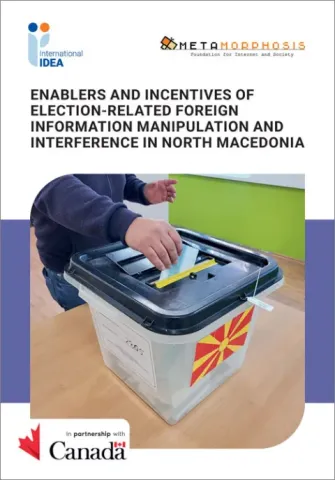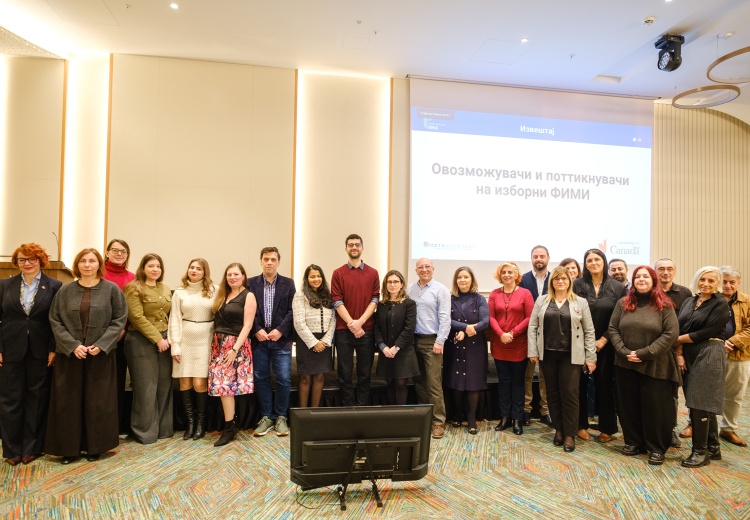

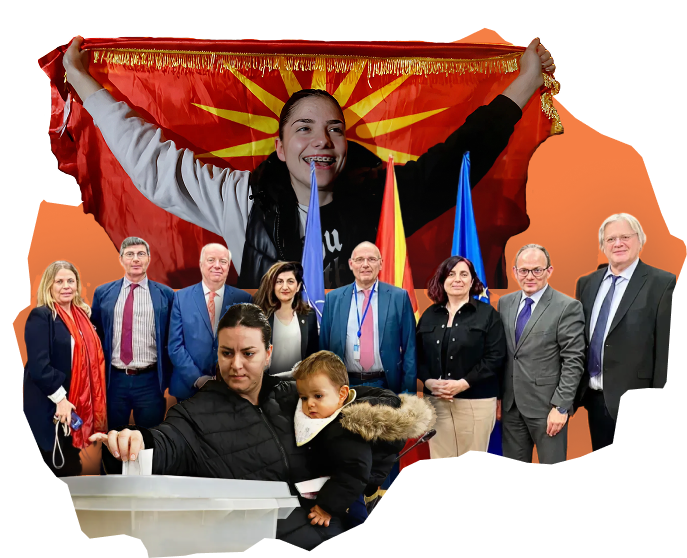
North Macedonia's fragile institutions, ethnic divisions and under-regulated media environment leave its electoral processes exposed to coordinated foreign-sponsored narratives, particularly from Russian-, Chinese- and Serbian-aligned sources. These narratives spread through weakly moderated digital platforms and politically dependent media outlets, especially during election periods. Civil society, media, and policymakers must act together to safeguard democratic integrity.
Election periods in North Macedonia are prime targets for coordinated efforts to sway public opinion
These campaigns typically exploit ethnic power-sharing tensions, contested national identity debates, and skepticism toward EU accession terms. Weak oversight of digital campaign financing makes such efforts difficult to trace.
Electoral FIMI in North Macedonia
Female politicians and LGBTQ+ rights are targeted, framing gender equality as a foreign imposition to erode support for reform.
Russian, Chinese and Serbian-aligned content is republished by local outlets, lending foreign narratives a homegrown appearance.
Loopholes in political finance law let unregulated outlets and undisclosed ad spending monetize polarizing content.
National Agencies
No Results Found
Sorry, seems like there is no data available at the moment.
North Macedonia Electoral Legal Framework
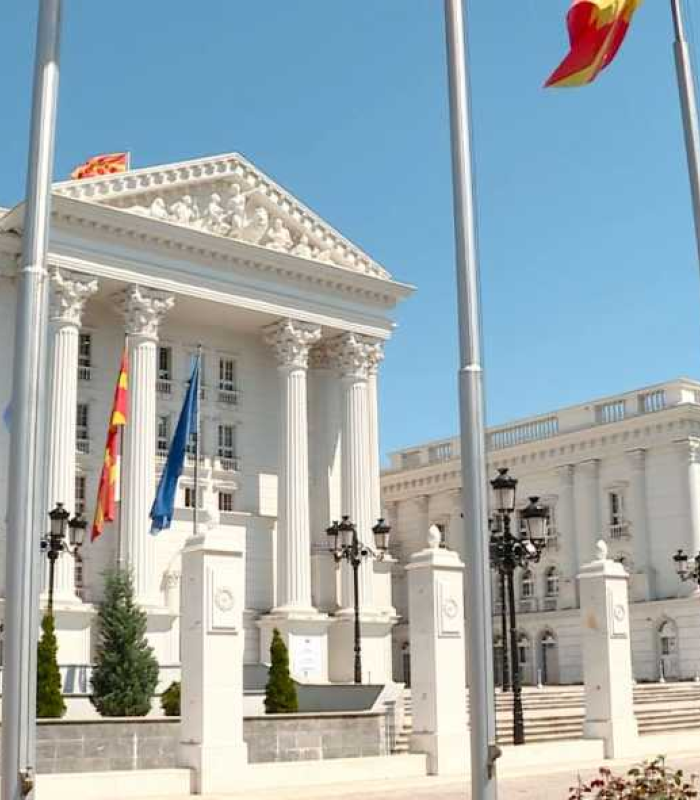
North Macedonia's electoral process is governed by the Electoral Code, the Law on Financing of Political Parties, and the Law on Audio and Audiovisual Media Services, which together set rules for campaign conduct, funding disclosure and media coverage.
The State Election Commission and the State Commission for the Prevention of Corruption oversee this framework. Neither currently has the digital capacity to track online campaign spending, and the law itself has no clear rules for disclosing spending on online ads or influencer promotion — making foreign-sponsored influence hard to trace.
Oversight remains limited. Only one of five parliamentary committees mandated to address disinformation has engaged with the issue, and no national strategy has been adopted since one was proposed in 2019. International observers, including the OSCE's ODIHR, continue to recommend stronger transparency and closer alignment with EU frameworks like the Digital Services Act.