

Policy Roadmap on Countering Election-Related Disinformation and Foreign Interference Discussed in North Macedonia
Before the next elections in North Macedonia, every institution involved in the process should designate a person whom journalists can contact when a false claim about the vote starts to circulate. This is the first recommendation of the Draft Policy and Accountability Roadmap, presented in Skopje on 22 September and developed by the Metamorphosis Foundation in collaboration with International IDEA.
The event at which it was presented, "From Evidence to Action: Strengthening Resilience to Election-related FIMI in North Macedonia", served as a discussion platform for media outlets, authorities, civil society and international partners. Discussion centred on practical countermeasures against election-related foreign information manipulation and interference (FIMI) and disinformation.
H.E. Michelle Cameron, Ambassador of Canada, opened the dialogue by stating that no democratic society is immune to FIMI or able to confront it in isolation, irrespective of its size. Canada has adopted new legislation on the subject, she said, but institutions cannot bear the task alone, and civil society organisations and the media share the responsibility. The Ambassador added that communication with citizens must be precise, so that people do not conclude that nothing can be trusted, and that elections depend on public confidence that the results are fair.
Alberto Fernández Gibaja, Head of Programme for Digitalization and Democracy at International IDEA, noted that all those confronting FIMI share the objective of strengthening democracy, and that resilience built in North Macedonia has implications for other countries facing election-related disinformation. He observed that the Roadmap draws on several years of evidence and dialogue. International IDEA has supported the Metamorphosis Foundation's work on FIMI in North Macedonia, having published the report "Enablers and Incentives of Election-Related Foreign Information Manipulation and Interference in North Macedonia" and collaborated on the forthcoming Roadmap.
Goran Rizaov of the Metamorphosis Foundation presented the document and outlined its immediate measures. The Roadmap distinguishes between measures that institutions can implement at once and those that depend on legislative amendments or a broader political dialogue. Each institution would appoint a contact person with a duty to respond to election-related incidents. The institutions would also agree a protocol specifying who verifies a suspicious claim, who determines whether it constitutes a cyber incident or a possible electoral offence, who addresses the public and at what point, and who preserves the evidence. The Roadmap further proposes a formal review after every election of the incidents that occurred, the response times of institutions and the conduct of the platforms. Goran Rizaov added that platform accountability must be realistic, with named contacts and open data on who finances political advertising.
The longer-term measures include resuming the stalled amendments to the Electoral Code, so that it regulates online campaigning and political advertising expenditure, and merging the advertising register of the media regulator with that of the State Election Commission. The document takes into account that the country is marked by deep political, ideological and ethnic divisions, a fragile media market and low levels of trust in the media and institutions, and that a large share of political communication now takes place online. Monitoring by Metamorphosis of the 2025 elections found that the largest political pages, mostly associated with party leaders and not with candidates, spent more than 150,000 euros on Meta platforms alone.
After the presentation of the Roadmap, the first panel, moderated by Zoran Richliev of Metamorphosis, addressed media resilience, with media financing featuring prominently. Biljana Nasteska Kalanoska of the Association of Journalists said that media funding raises questions about how money is distributed and how it influences editorial policy, and that paid political advertising endangers independence. She also emphasised the importance of professional standards and swift verification of news.
Pero Momirovski of the Independent Trade Union of Journalists and Media Workers added that many outlets in the country depend for their survival on paid political advertising during elections, and that funding is not awarded on the basis of quality.
Biljana Georgievska of the Council of Media Ethics stated that sponsored content must be clearly labelled, which frequently does not happen during campaigns. She referred to the journalists' code, which now addresses social media influencers and the use of artificial intelligence, and said that balance in election reporting must be genuine.
Zorana Gadzovska-Spasovska, editor-in-chief of Kolegium.mk, said that economic independence is as significant as political pressure. Newsrooms lack the staff and time to verify claims, she noted, while parties and institutions maintain entire teams that produce and disseminate content rapidly, and often address one another rather than the public. The panel also touched on the precarious situation of many media professionals in the country and on the upcoming initiative for a media pluralism fund.
The second panel, moderated by Alisa Schaible of International IDEA, considered institutional preparedness against FIMI. Bojan Maricic, President of the State Election Commission, observed that elections now also take place in the digital space, where citizens form their opinions, and that protection against FIMI must therefore cover the information environment as well as the ballot. He stressed that cybersecurity and anti-FIMI measures must respect freedom of expression, and described the Roadmap as an excellent document for institutions that have a platform for dialogue. Institutional cooperation on countering disinformation in North Macedonia is at a very early stage, he said, and the Commission sees it as a priority topic. He referred to Sweden, which maintains a Psychological Defence Agency, and stated that FIMI there has declined between electoral cycles.
Aleksandar Osmanli of the Ministry of Digital Transformation highlighted North Macedonia's efforts to implement the EU's Digital Services Act and Digital Markets Act as part of aligning its digital regulatory framework with that of the EU. He also described the Ministry's initiative to strengthen digital and media skills among civil servants, which aims to train "digital ambassadors" who act as multipliers within their ministries.
Sasho Bogdanovski of the Agency for Audio and Audiovisual Media Services said that defending democracy begins with protecting the information space, and that media outlets carry the information on which credible elections rely. He stressed that contacts from authorities to the media and from authorities to platforms are important, and referred to the standing coordination mechanism that the Agency coordinates.
Ambassador Cameron offered a comparative perspective. Canada has taken legislative steps to counter FIMI, including by establishing the Office of the National Counter Foreign Interference Coordinator, and views the issue as a whole-of-society effort to protect democratic cohesion and information integrity. She pointed to the importance of international cooperation among like-minded partners, while acknowledging that each country and context must find the solution that works best for it.
The discussions produced a lively exchange across the topics raised in the Roadmap and will help strengthen the evidence and recommendations it contains. As a next step, the finalised Roadmap will be shared with institutions and carried forward by the Metamorphosis Foundation. A regional convening of authorities from the Western Balkans, to be held in Montenegro in December 2026, will feature North Macedonia's approach.
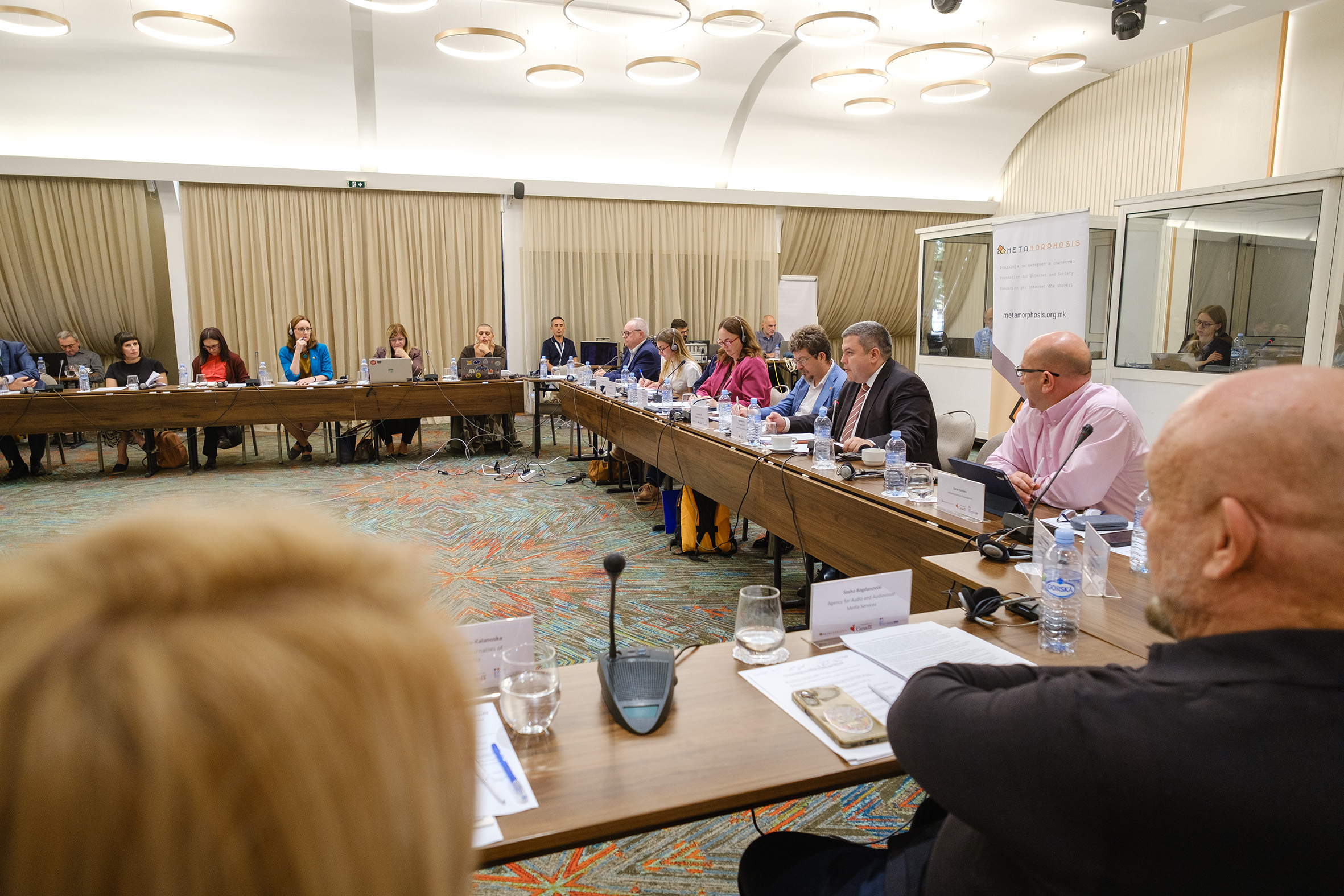 Participants at the Dialogue Photo: Vanco Dzambaski
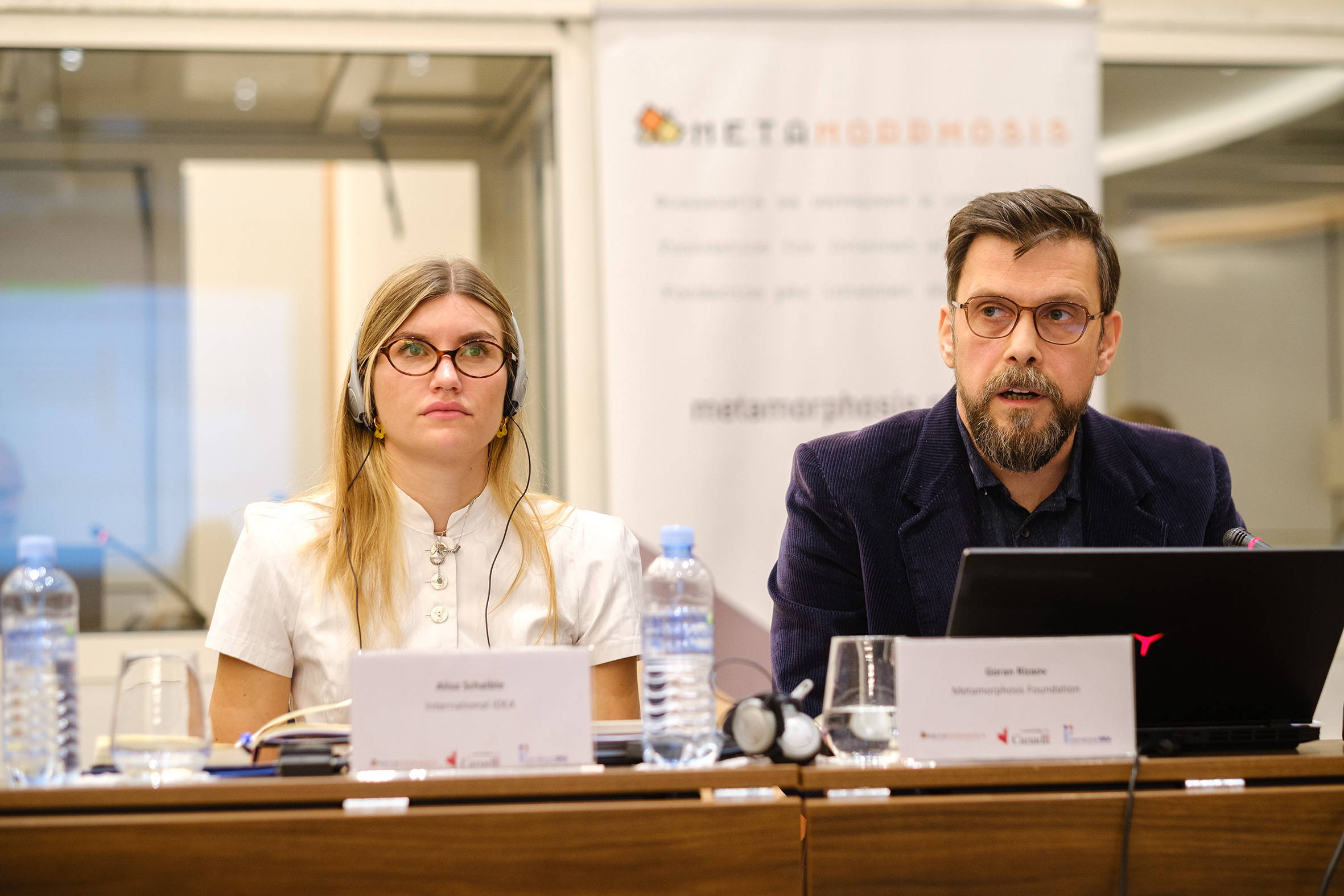 Goran Rizaov presenting the roadmap Photo: Vanco Dzambaski
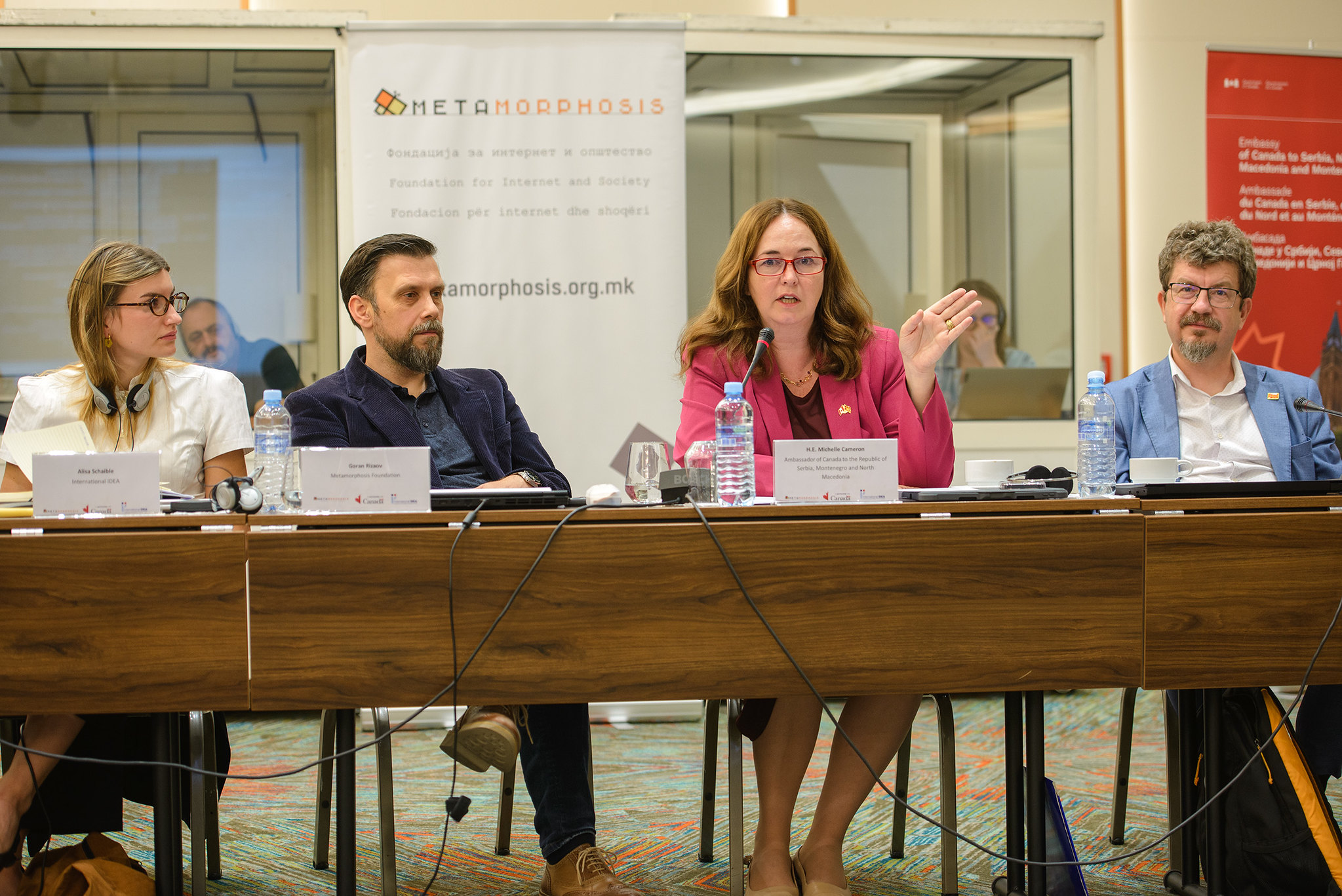 H.E. Michelle Cameron, Ambassador to Serbia, Montenegro, North Macedonia giving opening remarks
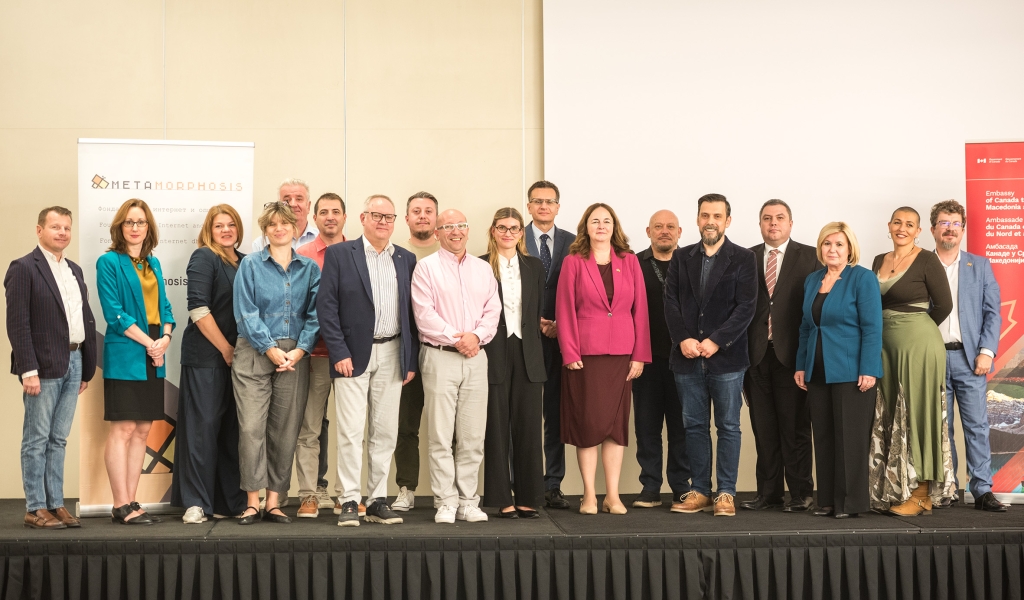
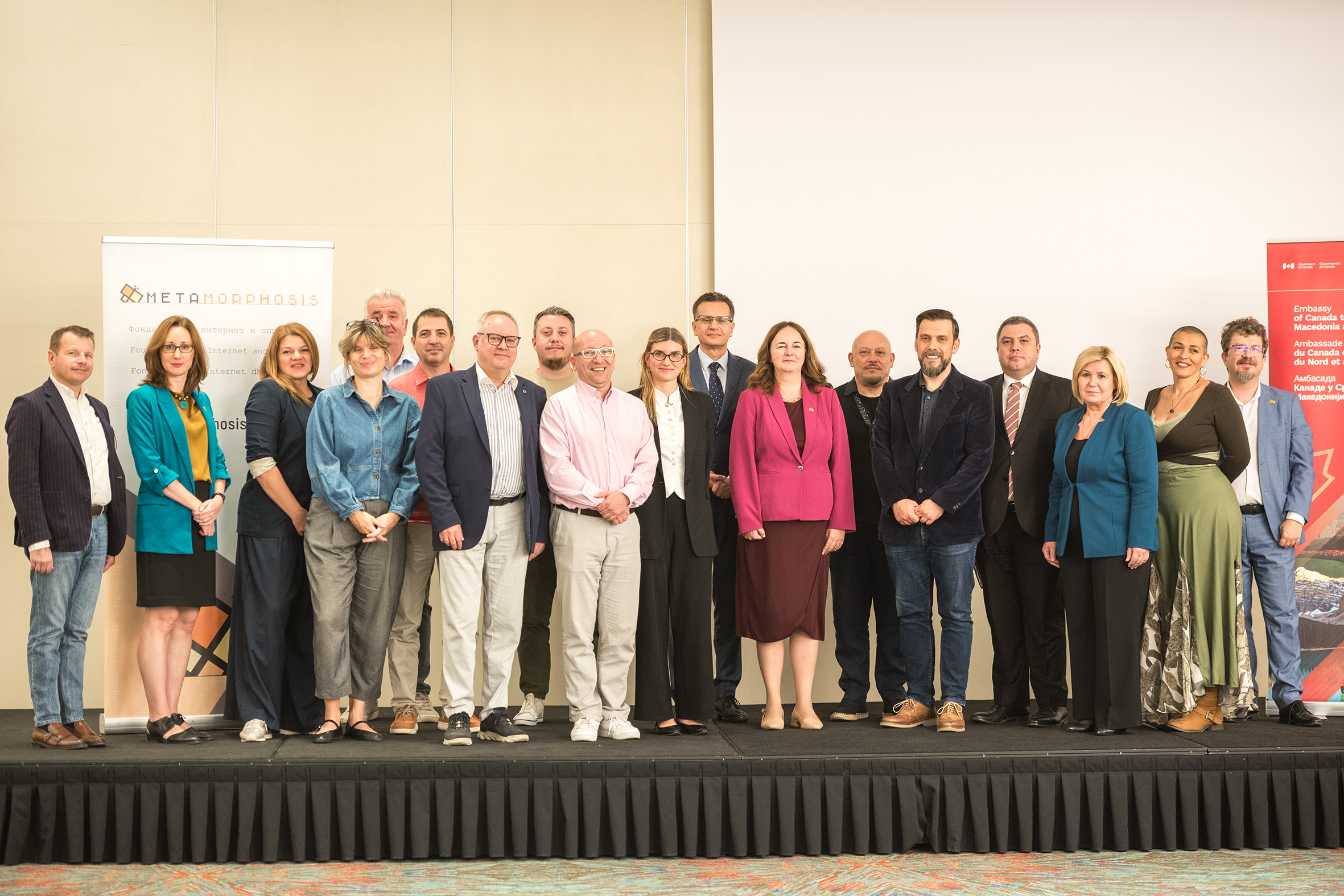 Participants at the Policy Dialogue in North Macedonia on 22 September
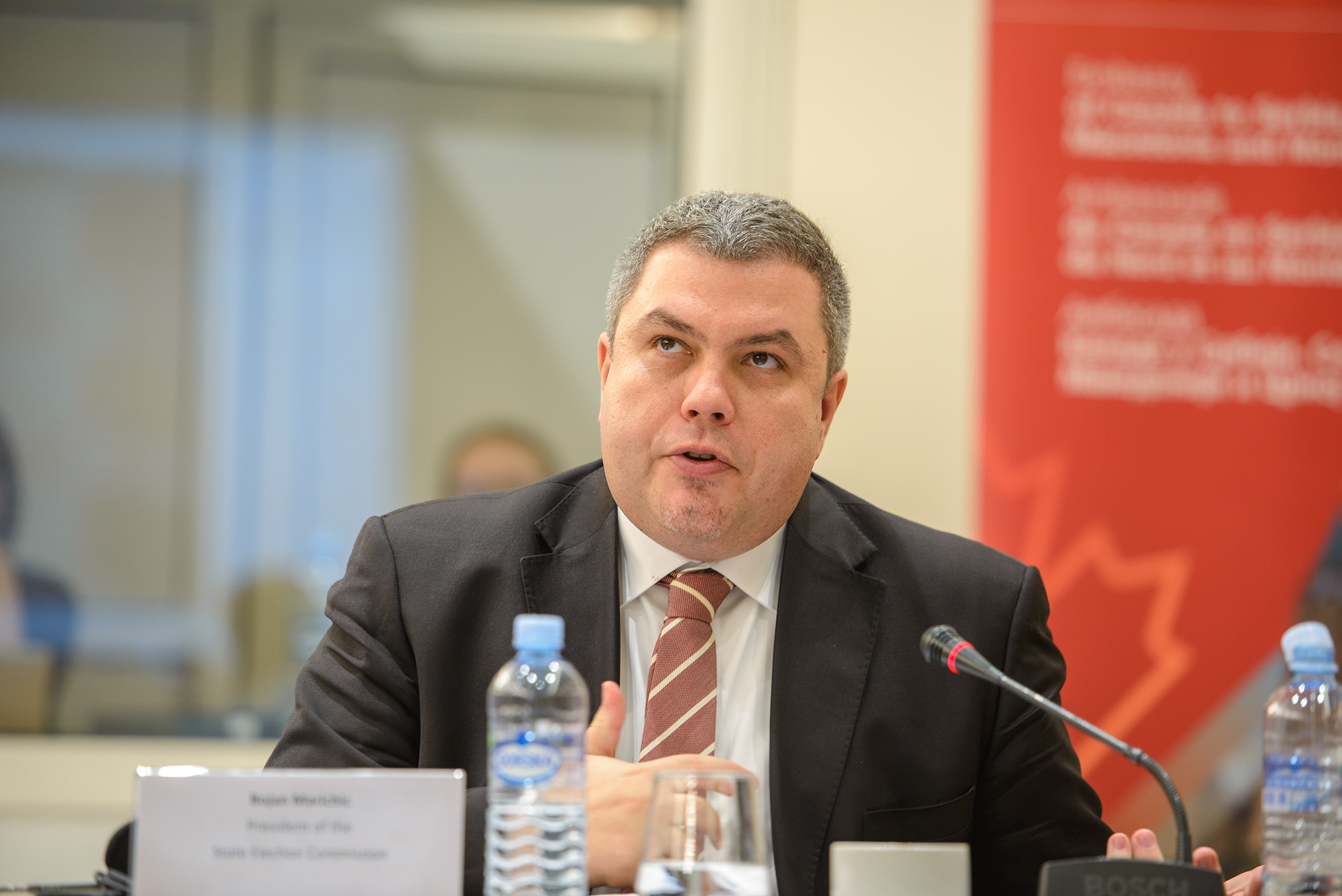 Bojan Maricic, Chair of the SEC Photo: Vanco Dzambaski
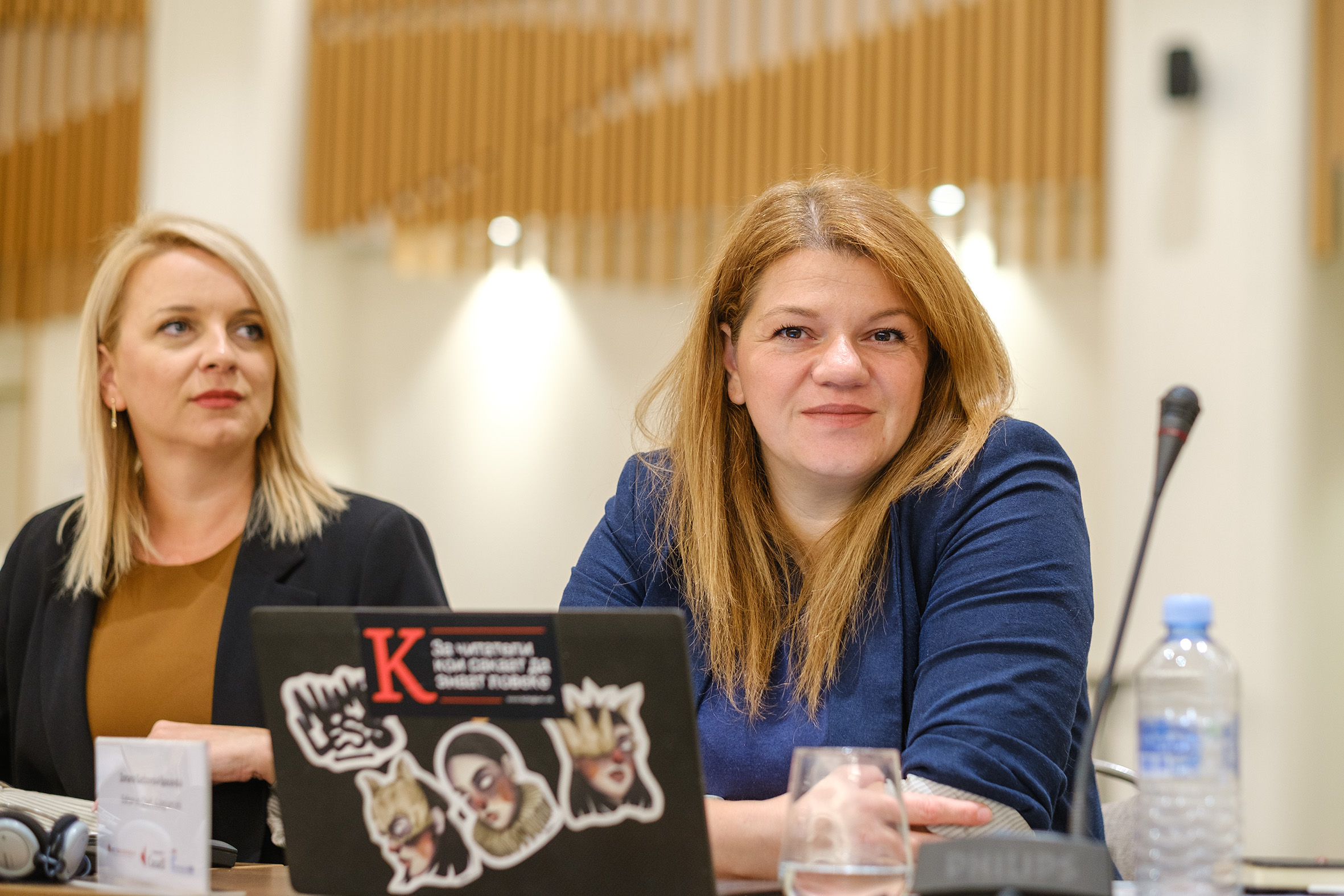 Biljana Nasteska Kalanoska from ZNM and Zorana Gadzovska Spasovska from Kolegium.mk Photo Vancho Dzambaski