

Kazakhstan - August 2026
First elections to the unicameral parliament consolidate pro-presidential dominance

On 23 August 2026, Kazakhstan held elections for the newly established 145-seat unicameral parliament (Kurultai), following constitutional reforms approved in a March 2026 referendum that replaced the country's bicameral parliament. The election marked the first use of a nationwide proportional representation system and the creation of a new legislative body. Five parties surpassed the 5 per cent electoral threshold and entered parliament. The pro-presidential Adilet party won 71.2 per cent of the vote and secured 110 of 145 seats, giving it a dominant parliamentary majority. Voter turnout reached 74.1 per cent, while women won 49 seats (33.8 per cent, up from 17.3 per cent in the former lower house). According to the OSCE, the election was technically well administered but took place in a political environment characterized by limited pluralism and restrictions affecting independent candidates, civil society and the media. International and domestic press freedom organizations also reported increased pressure on independent journalists in the run-up to the vote.
Sources: Euronews, IPU Parline, OSCE ODIHR
Turnout and women’s representation both up after implementation of new electoral system
On 23 August 2026, Kazakhstan conducted its first election under a new constitutional system. The election produced notable changes in participation and representation: turnout reached 74.1 per cent, the highest level recorded in a parliamentary election since 2016, while women won 49 of 145 seats (33.8 per cent, up from 17.3 per cent in the former lower house). At the same time, observers noted a more restrictive campaign environment. The OSCE reported limited political pluralism and restrictions affecting independent candidates, civil society and media, while domestic and international media freedom organizations documented criminal investigations, prosecutions and travel restrictions targeting several independent journalists in the weeks preceding the vote.
Sources: Civil Rights Defenders, Euronews, IPU Parline, OSCE ODIHR, International Partnership for Human Rights

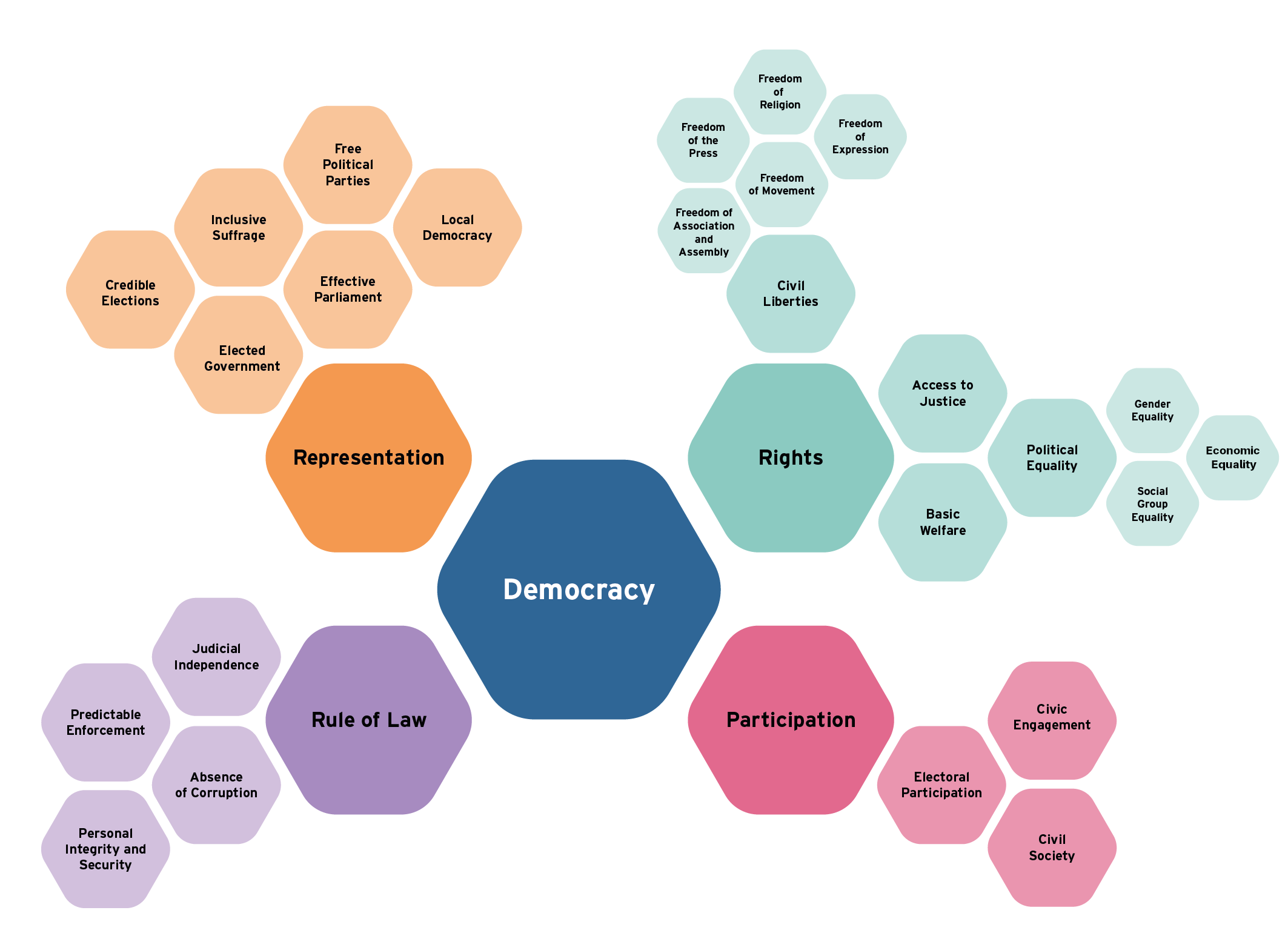
 Representation
(-1)
Representation
(-1)

 Rights
(0)
Rights
(0)
 Participation
(+1)
Participation
(+1)