


Tunisia
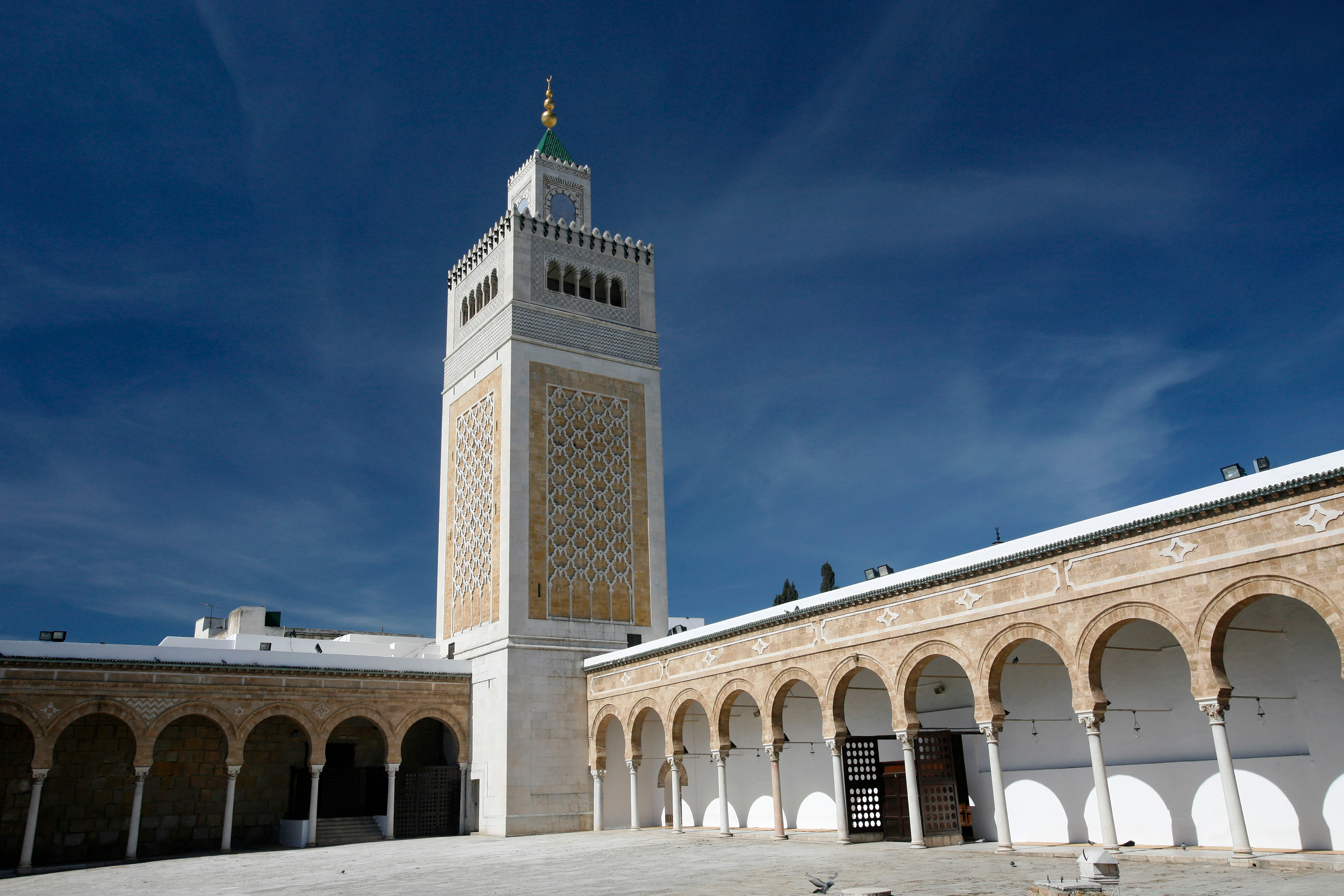
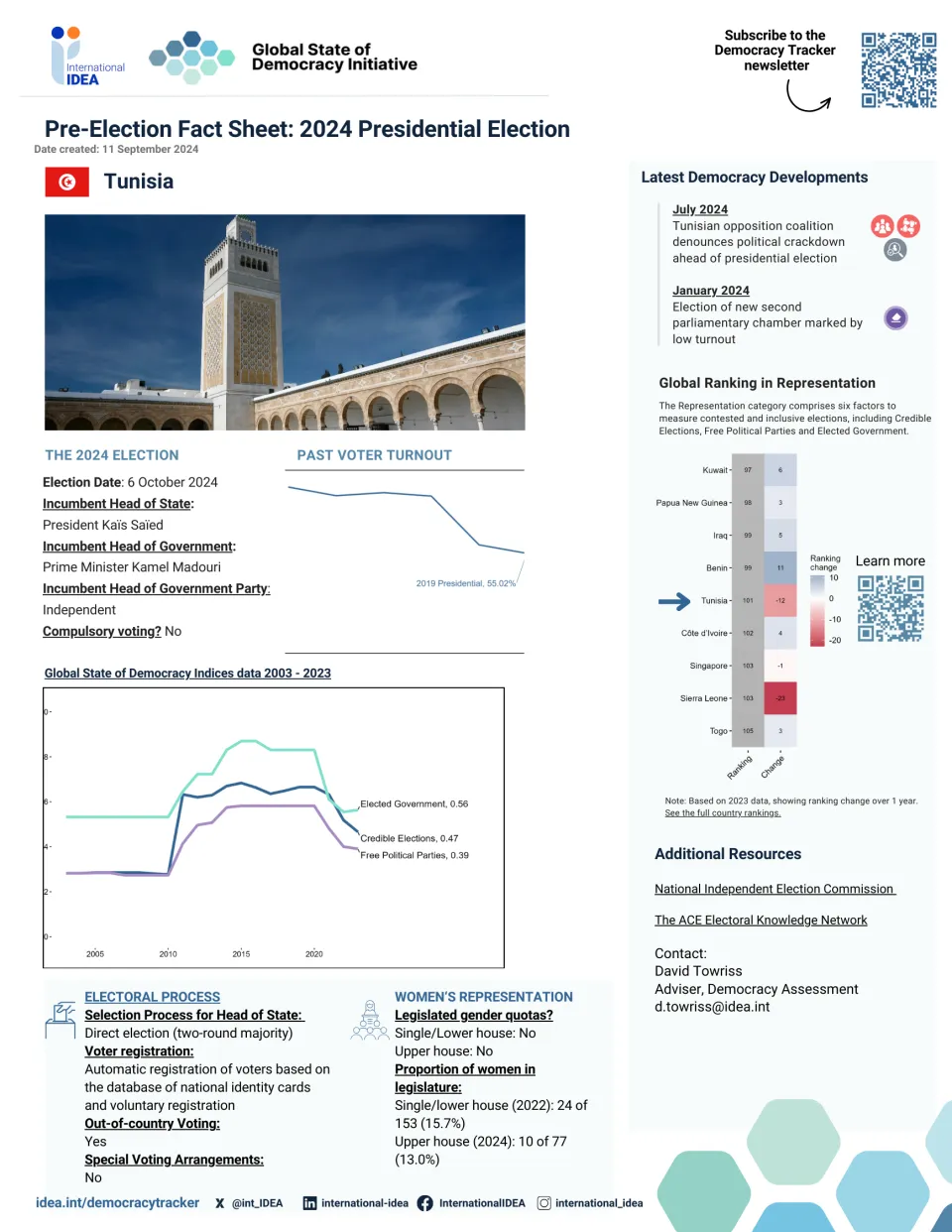
Tunisia performs at the mid-range across all categories of the Global State of Democracy framework. It is among the top 25 per cent of countries in Access to Justice and among the bottom 25 per cent in Electoral Participation. Between 2019 and 2024, Tunisia has experienced declines across the majority of GSoD factors. Although Tunisia remains one of Africa’s wealthiest countries, economic growth has decelerated, exacerbated by public debt challenges. Sectors such as information and communication technologies, tourism, manufacturing, and organic farming are key, although droughts have affected agriculture.
Tunisia’s history has been marked by Roman, Ottoman, Islamic, Arab, and French influences, among others. The country became a French protectorate in 1881 and gained independence in 1956. Between 1956 and 2011, Tunisia was ruled by authoritarian strongmen Habib Bourguiba and Zine El Abidine Ben Ali. The 2011 Arab Spring brought the Jasmine Revolution to Tunisia, leading to Ben Ali’s overthrow and the country’s rapid democratization.
Nevertheless, the political space has remained hobbled by corruption, crises, and cleavages, including religious divides and political polarization. Secularists, themselves significantly divided, reflect the legacy of former President Bourguiba, who championed Tunisian nationalism and women’s rights after decolonization. Conversely, Islamists broadly support socially conservative policies.
Economic malaise and poverty have driven public anger, partly evident in street protests. Reforms are needed to stabilize the country’s finances, including reducing the size of the public sector and combatting corruption. At the same time, Tunisia has struggled to consolidate its democracy. For example, the dissolution of the High Judicial Council and the summary dismissal of dozens of judges, among other actions, have eroded judicial independence. Checks on the executive have also been weakened by government interference with or closure of independent bodies, such as the National Anticorruption Authority (INLUCC) and the High Authority for Audio-Visual Communication (HAICA). Additionally, a 2022 electoral system based on amendments by decree, along with party boycotts of elections and the harassment of opposition politicians have led to the disappearance of political parties from the public sphere. Public support for democracy has waned over the last decade and disenchantment with political elites has resulted in a sharp decrease in voter participation. The government has explained its moves as attempts to create a new republic that guarantees the state’s unity, stability and Tunisians’ right to a decent life.
Issues of discrimination are also prominent in Tunisian politics. While women’s social positions are more advanced than elsewhere in the Arab world and the Constitution provides for gender equality, Islamist criticism and implementation failures have quashed activists’ hopes for critical economic inheritance reforms. Additionally, the 2022 electoral system amendments removed the requirement for gender parity. LGBTQIA+ people face criminalization under active sodomy laws, alongside societal repression. While the country passed a landmark racial discrimination law in 2018, Black Tunisians face widespread bias, as do migrants and refugees from Sub-Saharan Africa.
Looking ahead, Representation will be an area to watch, as it will be critical to monitor the resilience of remaining nascent democratic institutions amid pressure from the executive. For now, increasingly restrictive tactics, persisting economic challenges, and enduring social and political divides appear to limit democratization.
Last Updated: June 2025
https://www.idea.int/democracytracker/
August 2026
Anti-government protests draw participation from new civic opposition movement
On 20 August, the recently established civic opposition movement Nafas organized a demonstration in Tunis bringing together political parties, activists and independent figures in a rare effort to coordinate opposition forces under a common platform. The movement, which seeks to unite diverse actors, called for the release of detained opposition figures, activists and journalists and raised concerns about democratic backsliding and the concentration of power in the presidency. The protest also highlighted worsening socio-economic conditions, including shortages of water, electricity, medicines and essential goods. The demonstration followed earlier mobilizations in July and marked one of the first public actions led by Nafas since its formation, reflecting efforts to rebuild collective opposition activity in the country's constrained political environment.
Sources: Reuters, Associated Press, Al Estiklal




February 2026
Appeals court upholds prison sentences for opposition figures
On 2 February, a Tunis appeals court upheld or revised the sentences of more than 20 opposition figures, imposing prison ranging from three to 35 years. Among those affected was Ennahda leader Rached Ghannouchi, whose sentence was raised from 14 to 20 years. Opposition parties and human rights organizations criticized the ruling, arguing that the proceedings were marred by fair trial violations, including the use of remote hearings that limited defendants' communication with legal counsel and the prosecution's reliance on anonymous witness testimony. Observers also argued that the case reflected the continued use of the judiciary to target political opponents. On 15 February, authorities further intensified pressure on the opposition by detaining Olfa Hamdi, leader of the Third Republic party and a prominent government critic.
Sources: Amnesty International, Reuters


October 2025
Environmental protests against phosphate pollution erupt
In October, environmental protests erupted in the southern city of Gabès after a spike in respiratory illnesses and poisoning was linked to toxic emissions from the state-owned company Groupe Chimique Tunisien (GCT). On 11 October, thousands of residents marched through the city, demanding the closure of the chemical complex, which protestors held responsible for decades of contamination in the Gulf of Gabès. The demonstration started peacefully but turned tense when police blocked access to the industrial zone, leading to clashes, tear gas and several injuries. As public outrage spread, trade unions and civil society groups organized a general strike on 21 October, which largely paralysed the region of Gabès, followed by a solidarity march in Tunis on 25 October, marking the events as one of the largest environmental mobilizations in recent years.
Sources: Al Jazeera, The New Arab, Jeune Afrique, Nawaat

Authorities suspend operations of several civil society organisations
In late October, authorities suspended several major civil society organizations for 30 days, citing administrative or financial irregularities. On 24 October, the Tunisian Association of Democratic Women (ATFD) was suspended for one month, forcing the closure of its counselling centres for women survivors of gender-based violence, followed shortly by the suspension of the Tunisian Forum for Economic and Social Rights (FTDES). In early November, the Tunis office of the World Organisation Against Torture (OMCT) and the independent media platform, Nawaat, were similarly ordered to halt activities. The 30-day suspensions could be prolonged or repeated, threatening press freedom and further restricting civic space. Rights groups have regarded the measures as part of a broader crackdown on civil society, noting reports of arbitrary enforcement, including instances where several organizations did not receive prior warnings about alleged irregularities or guidance on how to rectify them.
Sources: Associated Press, International Federation of Journalists, International Federation for Human Rights, The New Arab, Business News, Amnesty International

August 2025
Government dissolves National Authority for Access to Information (INAI)
In August, the government dissolved the National Authority for Access to Information (INAI), an independent body established in 2016 to ensure citizens and journalists could access official information. Civil society organizations have warned that its closure will significantly diminish transparency and hinder public oversight of government actions, as the agency had served as a key channel for requesting and obtaining official data and government reports. Composed of nine members, INAI also provided expert opinions on draft legislation related to access to information.
Sources: The New Arab, Le Monde, L’Économiste Maghrébin, Tahrir Institute for Middle East Policy

Government directive ends trade union leave amid rising tensions
On 11 August, Prime Minister Sara Zaafarani issued a directive ending ‘trade union leave’, a practice that allowed public employees to take a temporary leave of absence to work full-time for trade unions while continuing to receive their government salaries. The rule, applicable to all unions, will largely impact the Tunisian General Labour Union (UGTT), the country’s largest, by reducing its staff and organizational capacity, with the move coming amid rising tensions between the government and the UGTT. On 7 August, supporters of President Saied had rallied outside UGTT headquarters in response to a previous nationwide transport strike organized by the union on 30-31 July and 1 August. They called for the union’s dissolution, while UGTT members held counter-demonstrations. On 21 August, the UGTT also organized a large protest in Tunis to oppose restrictions on civic freedoms, and denouncing a decline in union rights.
Sources: Agence Tunis Afrique Press, Al Jazeera, The New Arab, International Trade Union Confederation
See all event reports for this country
Global ranking per category of democratic performance in 2025

Basic Information

Human Rights Treaties
 State party
 Signatory
 No action
Performance by category over the last 6 months


Election factsheets
Global State of Democracy Indices
Hover over the trend lines to see the exact data points across the years


Factors of Democratic Performance Over Time
Use the slider below to see how democratic performance has changed over time