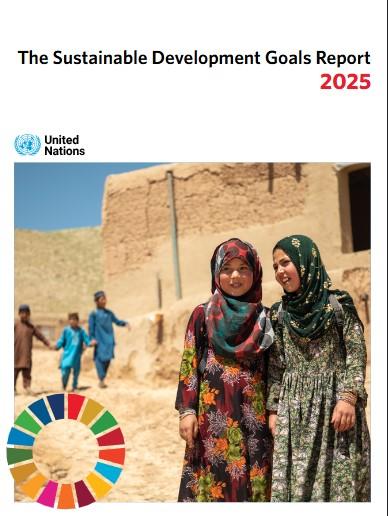
The report reveals real and substantial development gains during the past decade. Since 2015, the world has made notable strides in expanding access to education, improving maternal and child health, and bridging the digital divide. Effective prevention efforts have significantly reduced the burdens of infectious diseases such as HIV and malaria. Access to electricity has continued to grow, and renewable energy is now the fastest-rising source of power worldwide. Yet progress has been fragile and unequal. Millions still face extreme poverty, hunger, inadequate housing, and a lack of basic services. Women, people with disabilities, and marginalized communities continue to face systemic disadvantages. Escalating conflicts, climate chaos, rising inequalities, and soaring debt servicing costs are holding back further advancements.
Publication date
2025
Author(s)
UN Department of Economic and Social Affairs
Topic(s)
Democracy, Development, Political participation, Gender equality, Human Rights, Peace and Security, Emerging Issues, Transparency and accountability, Civil society, South-South cooperation, SDG 16 and the 2030 agenda, Inclusive and responsive global governance, Equal rights, Gender equality, Women's political representation, Mainstreaming gender equality, Human rights and equality, Human rights of marginalized groups, Poverty and human rights, Freedom of opinion and expression, Press Freedom, Access to justice, Human rights and climate change, Peacebuilding, Conflict prevention, Women and peace and security, Migration, refugees and displacement, Violent extremism, Social cohesion and inclusion, Youth and democracy, Technology and digitalization, Climate change and democracy, Disability and accessibility, Disinformation and misinformation
Type
Reports